Abhishek Sharma’s Form Concerns Kaif Ahead of India vs South Africa
Kaif Raises Concerns Over Abhishek Sharma’s Form Ahead of India’s Super 8 Clash
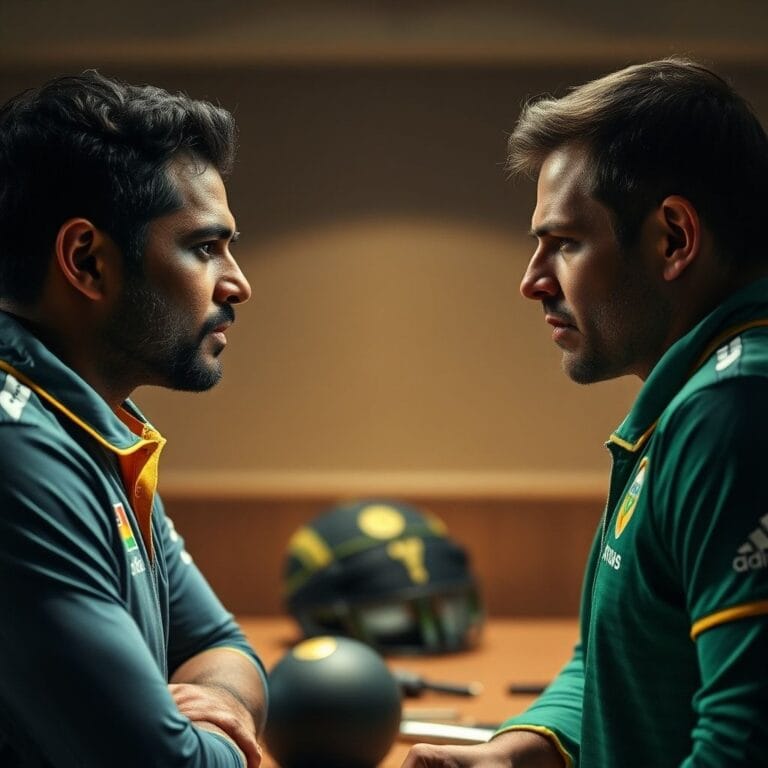
India’s Super 8 showdown against South Africa at the Narendra Modi Stadium has turned into a talking point for more than just tactics. Former India stalwart Mohammad Kaif has taken to his YouTube channel to dissect opener Abhishek Sharma’s unsettling start – three consecutive ducks that have left fans and analysts uneasy.
India breezed through the group phase with a perfect 4‑0 record, yet the opening slot looks shaky. Kaif, who lifted the 2002 NatWest Trophy, argues that Sharma’s approach is out of sync with the conditions and the quality of the South African attack. The conversation matters because the opener sets the tone, and a misfire at the top can ripple through the entire innings.
The Stats Behind the Strategy
| Match | Venue | Runs | Balls | Dismissal |
|---|---|---|---|---|
| India vs USA | Wankhede, Mumbai | 0 | 1 | Bowled (Yasir Ali) |
| India vs Pakistan | R. Premadasa, Colombo | 0 | 4 | LBW (Salman Ali Agha) |
| India vs Netherlands | Narendra Modi, Ahmedabad | 0 | 3 | Catch (Aryan Dutt) |
The table starkly outlines Sharma’s zero‑run streak across three very different venues – the low‑bounce Mumbai grass, the slower Colombo deck, and the hard, fast Ahmedabad surface. In each case his back‑foot dominance turned into a liability.
Facing a spin‑friendly wicket in Mumbai, a high back‑lift can get trapped by a subtle flight. In Colombo, the pitch offers a little turn and a slower ball, demanding quick adjustments. Ahmedabad, on the other hand, rewards a low, powerful stance, yet Sharma chose to stay on the back foot, inviting the ball to swing away.
Why the Back‑Foot Routine Falters
Kaif points out that Sharma’s technique hinges on generating power from a deep, balanced stance. The idea works in short‑run knock‑outs where a six is prized, but South African bowlers like Aiden Markram and George Linde vary lengths expertly. By committing early to the back foot, Sharma gives them a clear line of attack – the ball can swing laterally or land fuller than he expects.
Markram’s ability to bowl a crisp short of a length that cuts into the off‑side means a back‑foot swing can end up as a mistimed edge. Linde’s slower, looping deliveries test a batsman’s ability to read the flight. Sharma’s high back lift, paired with a tendency to swing hard, makes him vulnerable to these subtle variations.
Team Decisions and the Road Ahead
India’s management faces a dilemma. Do they stick with the left‑handed opener who has a world‑ranking advantage, or reshuffle the top order to protect the innings? Options include promoting a more conventional right‑hander like Sanju Samson, or sending a pinch‑hitter down the order to shield Sharma.
The coaching staff could also tweak the opening pair’s roles. If Sharma stays, a more patient partner such as Ruturaj Gaikwad could absorb the initial overs, letting the left‑hander find rhythm later. This approach mirrors the 2022 World Cup tactic where India used a left‑hand/right‑hand combo to rotate strike and mitigate bowler targeting.
Mindset Matters
Beyond mechanics, the mental side looms large. Three ducks in a row can dent confidence, especially for a player accustomed to opening the scoring. Sharma’s self‑belief must be rebuilt quickly, perhaps by focusing on simple, low‑risk shots in the first five overs – a single, a quick run, or a well‑timed cut.
Kaif suggests visualizing a set of short, controlled strokes rather than going for the big hit. A mindset shift from “hit early” to “survive early” could turn the tide, especially when South Africa looks to dominate the powerplay with fast bowlers like Lungi Ngidi.
Tournament Impact and What Comes Next
The Super 8 is a make‑or‑break stage. A win against South Africa would cement India’s dominance and preserve a smooth path to the semi‑finals. A loss could expose a fragile top order and embolden other contenders.
If Sharma finds his footing, it adds depth and a left‑handed flourish to India’s chase of 180‑plus totals, a common target in modern T20s. If not, the side may have to rely on middle‑order firepower – a scenario that has worked before but carries higher risk.
Fan Perspective and Grounded Opinions
Supporters in Ahmedabad have been vocal on social media, mixing frustration with hope. Many recall Sharma’s glittering IPL performances and wonder if the pressure of a World Cup is simply too heavy.
Fans also argue that the Indian team’s depth should allow a quick reshuffle without a loss of morale. The consensus leans toward giving Sharma a few balls to settle, then letting a seasoned partner take charge if wickets tumble.
From a broader view, the episode highlights how even top‑ranked batsmen can stumble when technical rigidity meets adaptable bowling. It’s a reminder that T20 cricket rewards flexibility as much as raw power.
As the countdown to the South Africa clash ticks down, all eyes will be on the opening partnership. Whether Sharma rewrites his narrative or becomes a cautionary footnote, the outcome will shape India’s roadmap toward the World Cup finale.
Cricket Desk: Want more on Abhishek Sharma injury? Check out our Abhishek Sharma injury Latest News & Stats.