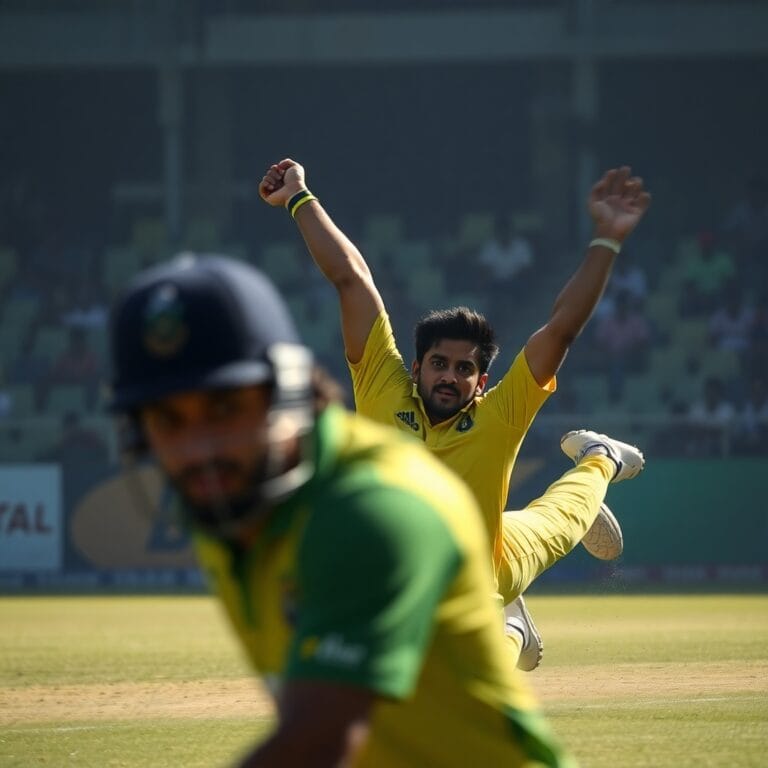
Auqib Nabi: J&K’s Ranji Trophy Final Journey with 55 Wickets
Auqib Nabi: The Baramulla Express Racing Toward History
This piece looks at how Auqib Nabi turned a remote valley into a Ranji Trophy story, and why his rise matters for Indian cricket beyond the scoreboard. His spell‑binding performances have put Jammu & Kashmir on a national stage after a 67‑year wait.
From Baramulla to the Ranji Final
When Jammu & Kashmir entered the 2025‑26 Ranji semi‑final against Bengal, most pundits wrote them off as underdogs. The valley team had never tasted a final in the tournament’s long history, and the odds reflected that. Yet the match turned into a showcase of how a single bowler can alter a team’s destiny.
Nabi arrived at the Kalyani Cricket Academy Ground with a clear plan: use the slight seam on the surface and the low‑bounce to create early pressure. The pitch, prepared with a thin layer of grass, offered a modest carry that favoured fast bowlers who could keep a tight line. Nabi’s experience on similar conditions in Delhi’s Shaheed Veer Narayan Singh Stadium—where the seam moves early under a green top—gave him the confidence to attack the new ball.
Why the Decision to Bowl First Paid Off
Jammu & Kashmir won the toss and chose to bowl. The captain’s call was driven by two facts: a) Bengal’s openers had struggled on green tracks earlier in the season, and b) Nabi’s strike rate on such pitches was above 4 wickets per match. By delivering the first 20 overs with the ball swinging both ways, the J&K side forced Bengal into a tentative 63 for 3, before Nabi’s fellow quick Sunil Kumar added a crucial wobbly delivery that snapped the fourth wicket.
When Bengal recovered to 328, Nabi’s figures of 5 for 87 showed he could sustain intensity. The real tactical twist came when he batted at number nine. A quick 42 runs, with four fours, shifted momentum. That cameo reminded everyone that his mindset is not limited to one discipline; he sees the game as a series of moments to create pressure, whether with seam or with a bat.
Player Roles and Mindset
Auqib is more than a raw pacer. He treats each spell like a chess opening. His first over is a probing move, aiming to gauge the batsman’s footwork. The next two overs are the “attack” phase—full‑length deliveries, occasional short ball, and a tight off‑cutter that forces a defensive instinct. In the fourth over, he changes pace, using a slower ball that lands just short of the pitch, tempting the batsman to drive and risking a catch in the deep. This pattern mirrors the way his mentors in Baramulla taught him to read the grass.
Mentally, Nabi carries the weight of representing an entire region. Interviews reveal he uses that pressure as fuel, visualising the mountains of his hometown as a backdrop for every delivery. The result is a bowler who can remain calm while the ball thunders in.
Impact on the Ranji Trophy Landscape
Jammu & Kashmir’s march to the final shakes the long‑standing dominance of southern and western states. The win over Karnataka in the quarter‑final, followed by the upset against Bengal, signals a shift toward more geographically diverse competition. Other fringe teams are likely to study Nabi’s approach—mix of speed, swing, and head‑strong batting—to emulate similar breakthroughs.
Looking ahead, the final against a seasoned side will test whether a single bowler can carry a side through an entire tournament. If J&K clinch the trophy, the BCCI may consider more resources for northern regions, knowing that talent can emerge from places previously overlooked. For Nabi personally, a victorious final could raise his IPL value further, but more importantly it cements his status as a role model for youngsters in conflicted regions.
Fan Perspective
In the streets of Srinagar, tea stalls now buzz with “Baramulla Express” chants. Fans recall watching Nabi’s 7 for 40 against Madhya Pradesh on a grainy YouTube clip, marveling at how the ball seemed to cut through the air like a mountain breeze. The narrative has woven itself into the local folklore, with youngsters mimicking his run‑up in schoolyards.
While some critics argue that the team’s success hinges on a single star, most supporters point to the collective spirit that rallied around Nabi’s performances. They argue that the team’s fielding standards improved, batting partnerships grew steadier, and the overall confidence surged as the trophy loomed.
The Stats Behind the Strategy
| Match | Nabi’s Wickets | Average | Economy | Key Venue Trait |
|---|---|---|---|---|
| Quarter‑final vs MP | 12 (7/40 + 5/30) | 13.5 | 2.27 | Red‑soil, early swing |
| Semi‑final vs Bengal (1st innings) | 5 | 12.8 | 3.20 | Green top, seam assistance |
| Semi‑final vs Bengal (2nd innings) | 4 | 11.0 | 2.85 | Dry, low‑bounce |
| Overall 2025‑26 (9 matches) | 55 | 12.72 | 2.95 | Mixed conditions, adaptability |
The numbers show Nabi’s potency across varied surfaces. At the green‑top in Kalyani, his swing accounted for three of the five wickets, while on the dry pitch later, his ability to hit the deck forced batsmen into defensive strokes. His economy staying under three runs per over in both scenarios underlines the discipline he brings to the attack.
Looking Forward
The upcoming final will be a true test of depth. If Jammu & Kashmir’s middle order can hold the line while Nabi delivers his final spell, the trophy will be theirs. If not, the experience will still leave a lasting legacy: a new pathway for talent from the Himalayas to the national stage.
Whatever the outcome, Auqib Nabi has already rewritten the narrative for his state. He proved that with the right blend of skill, mental strength, and a bit of mountain grit, a pacer from Baramulla can lead a side to the pinnacle of Indian domestic cricket.
Cricket Desk: Want more on Jammu and Kashmir cricket? Check out our Jammu and Kashmir cricket Latest News & Stats.