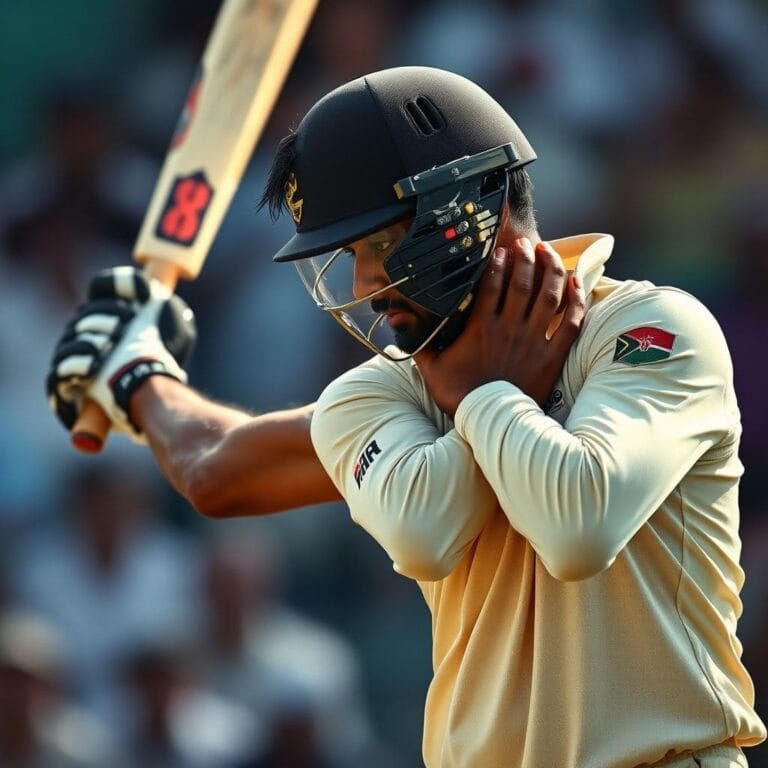
Zimbabwe qualify for T20 World Cup Super 8 after rain drama
Zimbabwe’s Historic T20 World Cup Qualification: A Story of Redemption
The rain-soaked evening at Pallekele turned into a milestone for Zimbabwe Cricket when a no-ball match against Ireland handed them a Super 8 berth at the 2026 T20 World Cup. The unexpected point not only ended the tournament for two traditional powerhouses but also cemented a redemption story that began with a shock win over Australia earlier in the week.
For a side that has struggled to qualify for major events over the past decade, the moment felt like a collective exhale. Sikandar Raza, the captain who has become the face of this revival, led his teammates in a spontaneous celebration that blended music, dance and the unmistakable pride of a nation finally seen on the world stage.
The Stats Behind the Strategy
Zimbabwe’s resurgence is luck; the numbers tell a methodical shift in approach. The table below compares key performance indicators from the 2022 and 2026 campaigns, highlighting where the change happened.
| Metric | 2022 T20 WC | 2026 T20 WC (to Group B) |
|---|---|---|
| Team Strike Rate (runs per 100 balls) | 115.2 | 129.4 |
| Average wickets taken per match | 5.8 | 7.3 |
| Economy of frontline bowlers | 7.9 | 6.4 |
| Batting average of top 3 order | 21.5 | 27.8 |
| Fielding dismissals (catches/run-outs) | 3.2 | 4.6 |
The jump in strike rate reflects a more aggressive batting philosophy, while a tighter bowling economy shows disciplined death overs work. The data aligns with the coaching staff’s decision to rotate seamers in the powerplay, forcing opposition teams into a defensive stance early on.
Tactical Shifts and Team Decisions
Coach Dave Houghton – a veteran of Zimbabwe’s earlier struggles – re-engineered the squad during the 2024–25 off-season. He introduced a clear division: a top-order built around Raza’s steady hand, a middle-order of power hitters, and a lower-order capable of finishing with sixes. In the group stage, the team employed a “bat first, defend later” mindset, opting to chase modest totals rather than set massive scores.
When the rain-interrupted match with Ireland arrived, the decision to stick with a four-man pace attack rather than adding a second spinner proved pivotal. The pace quartet had been honed to swing the ball on grassy sub-continental tracks, a skill that translates well to the seam-friendly wickets of Kandy. Their readiness to bowl at the death meant the opposition never got a chance to settle, even though the match never started.
Player Roles and Mindset
Sikandar Raza’s role evolved from a utility all-rounder to a true leader. He now structures practice sessions, emphasizes mental resilience, and acts as the liaison between management and players. His personal statistics — 45 runs at an average of 22.5 and a tidy 1/22 in the group – are modest, but his influence is measured by the team’s cohesion.
Young fast bowler Milton Shumba embraced the new “front-foot” approach, delivering at 140 km/h with a subtle seam that crumples the ball on green pitches. His confidence grew after a spell of 3/18 against Scotland, proving the coaching gamble on speed was justified.
Middle-order anchor Brendan Taylor, now in the twilight of his career, accepted a reduced strike-rate role, focusing on rotating the strike and anchoring innings. His willingness to adapt signaled to younger players that every role is valuable.
Tournament Impact and What Comes Next
Qualifying for the Super 8 puts Zimbabwe in Group 1 alongside India, South Africa and the West Indies – a gauntlet that will test every facet of their game. The next fixture against co-hosts Sri Lanka offers a chance to fine-tune tactics on a spin-friendly surface before the heavyweight clashes.
Strategically, the team will likely retain its aggressive batting posture, but will need to incorporate more spin options to contend with sub-continental turn. The bowling unit’s success will hinge on executing yorkers at the death, a skill that has already shown promise in the group stage.
Fan Perspective and Grounded Opinions
Zimbabwean supporters, many of whom trekked to Kandy despite the downpour, see the Super 8 spot as a validation of years of patience. Online forums are buzzing with optimism, yet a pragmatic voice reminds that maintaining discipline against top-tier teams will be the true test.
Critics point out that a rain-awarded point is not a substitute for a hard-won victory. They argue that the team must earn respect on the field, not through weather-induced luck. Still, the emotional lift from the celebration, with Raza draped in the national flag, cannot be discounted – morale is a tangible asset in high-pressure tournaments.
In the coming weeks, the “Castle Corner” spirit – a term coined by fans to describe Zimbabwe’s gritty, community-driven support – will travel with the squad to India. If the squad can translate that passion into performances, the world may finally see the Chevrons as more than an underdog story, but as a genuine contender.
Cricket Desk: Want more on Associate cricket strategy? Check out our Associate cricket strategy Latest News & Stats.