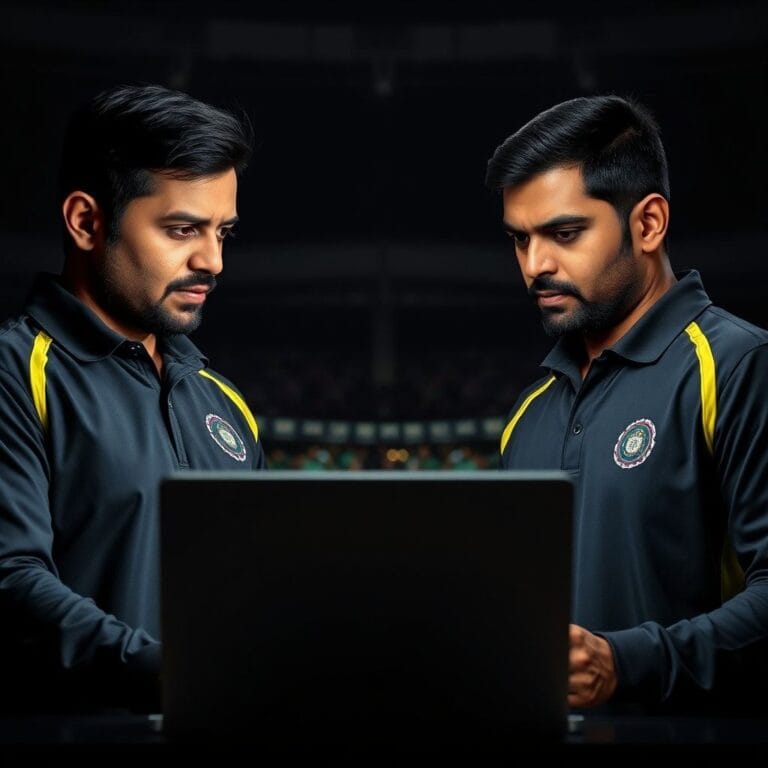
India vs Pakistan T20 Tactical Masterclass in Colombo
India Crushes Pakistan in Colombo: A Tactical Masterclass
India’s thumping win over Pakistan at the R. Premadasa Stadium on 15 February 2026 secured a Super 8 berth and sent fans into a frenzy. The match showcased a razor‑sharp batting surge from Ishan Kishan and a blistering bowling spell that left the opposition reeling, making it a defining moment in this World Cup campaign.
The Stats Behind the Strategy
| Metric | India | Pakistan |
|---|---|---|
| Total Runs | 175/7 | 114 all out |
| Run Rate | 8.75 | 6.33 |
| Boundaries | 18 fours, 7 sixes | 9 fours, 2 sixes |
| Wickets Lost | 7 | 10 |
| Top Partnership | Kishan & Varma – 87 runs (27 balls) | N/A |
| Powerplay Wickets | 0 | 3 (13/3) |
The numbers reveal why the game tilted so heavily in India’s favour. Kishan’s 77 came off just 27 balls, a strike rate of 285, while the opening overs from Pandya and Bumrah delivered a wicket‑maiden and a yorker‑boom that broke Pakistan’s momentum before it could gather speed.
Tactical Blueprint and Team Decisions
From the toss, Pakistan opted to bowl, a logical move on the slow, low‑bounce strip at Colombo. India’s captain handed the new ball to Hardik Pandya, a deliberate gamble to use his pace and ability to generate reverse swing even on a surface that usually favors spinners. The plan paid off instantly: a wicket‑maiden forced Pakistan into a defensive mindset.
When the ball fell to Jasprit Bumrah, the aim was clear – a searing yorker targeting the base of the stumps. The early removal of Saim Ayub and captain Salman Agha inside the second over left Pakistan staring at 13/3. At that point, the field placements shifted to a heavily attacking setup: a deep square leg for the spinners and a ring of slips for the pacers, squeezing every scoring avenue.
India’s middle order was instructed to rotate strike while keeping the run rate alive. Suryakumar Yadav, after a brief pause, accelerated with a series of lofted drives that nudged the total past 150 – a psychological barrier against any chase on a pitch that slows down after the power‑play.
Player Roles, Mindset and Venue Connection
Ishan Kishan entered the innings with a clear mandate: turn a shaky start into a platform. On the flat, low‑grip surface of Premadasa, his low‑centre‑of‑gravity stance allowed him to pick the gaps and dispatch the ball with minimal footwork, perfect for a ground‑hit style. The 10 fours and 3 sixes he struck were a mixture of aerial spray and powerful cuts that fed off the slow bounce.
Tilak Varma’s role was to provide stability. His tight defense and occasional pushes over the leg side complemented Kishan’s aggression, together forming a partnership that neutralised the early wicket loss. Varma’s technique against short deliveries suited the venue’s tendency to keep the ball low.
On the bowling front, Pandya’s use of the slower ball at the top of his arsenal exploited the tacky nature of the pitch, causing the Pakistani batters to mistime their pulls. Bumrah’s Yorkers, aimed at the toes, took advantage of the lack of pace on the surface, making it difficult for the opposition to generate power.
Tournament Impact and What Lies Ahead
With a perfect 3‑0 record, India now sits at the summit of Group A, ahead of Pakistan, Afghanistan and the United States. The win not only guarantees a Super 8 slot but also sends a message to rivals: the side is firing on all cylinders, both with bat and ball. The next hurdle is the Super 8 clash against New Zealand, a team that thrives on disciplined chase strategies. India will need to adapt, possibly rotating their bowlers to manage workload while keeping the top order aggressive.
For Pakistan, the defeat forces a rethink of their opening strategy. The early loss of wickets suggests a need for greater caution in the first six overs, perhaps holding back the aggressive stroke‑play until they gauge the pitch. Their young talents, like Usman Khan, showed promise, but consistency will be key if they hope to stay alive in the tournament.
Fan Perspective and Grounded Opinions
Social media erupted with a mix of jubilation and analysis. Indian fans praised Kishan’s fearless approach, calling his innings a “masterclass in power‑hitting on a slow surface”. Many highlighted the importance of Pandya’s opening over, noting that a single over can set the tone for an entire chase. On the Pakistani side, supporters expressed disappointment at the early wickets but remained hopeful about the team’s ability to bounce back, pointing to the resilience shown by Usman Khan.
From a neutral viewpoint, the match reinforced a timeless cricket truth: momentum matters. India seized it early, built it with each boundary, and never looked back. Pakistan, despite a brief flash of resistance, could not recover from the early onslaught. The game will be remembered not just for the scores, but for the strategic boldness that turned a high‑pressure rivalry into a showcase of modern T20 cricket.
Cricket Desk: Want more on Colombo R. Premadasa Stadium? Check out our Colombo R. Premadasa Stadium Latest News & Stats.