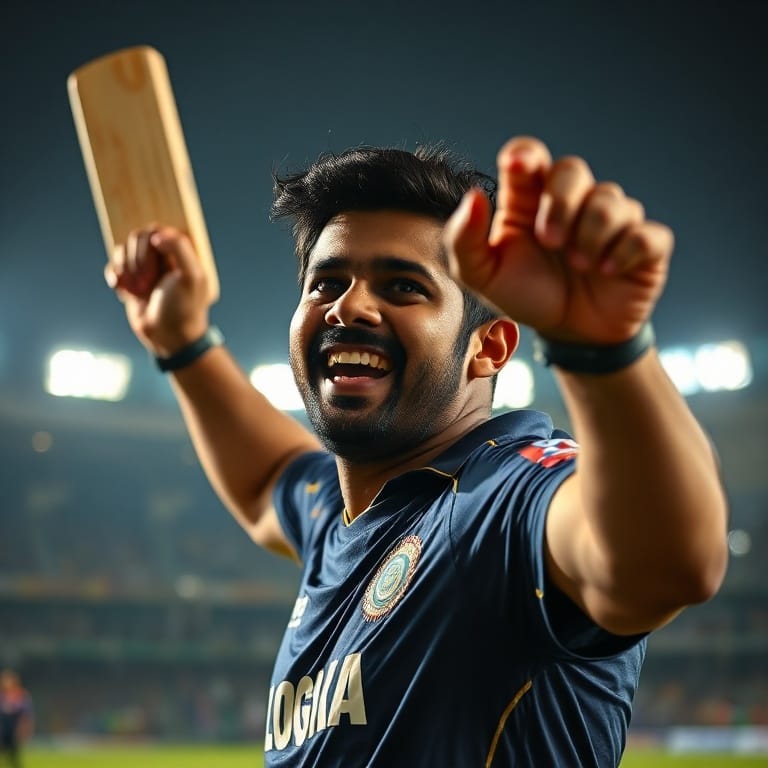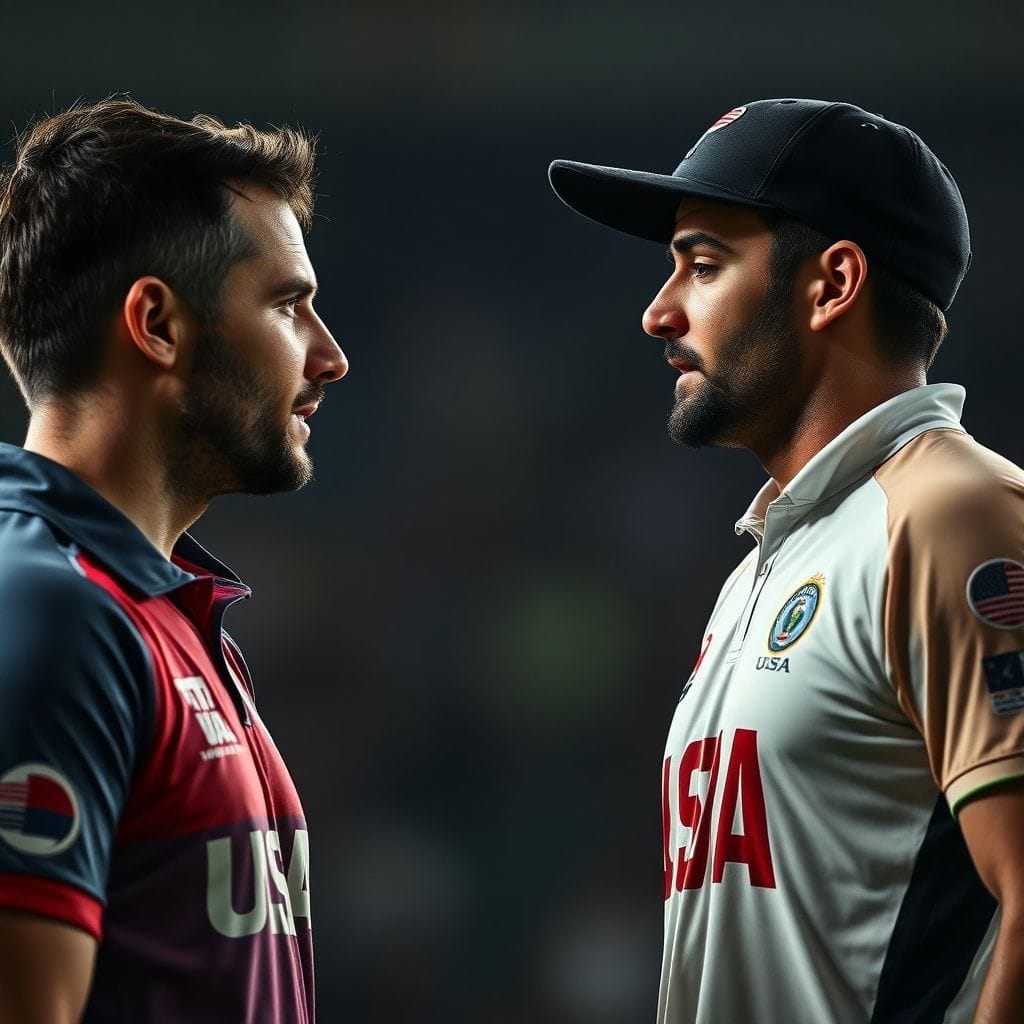
Netherlands vs USA T20 World Cup tactical preview at Chepauk
Netherlands vs USA: Tactical Preview for the T20 World Cup Clash at Chepauk
The showdown at Chepauk pits the Netherlands against the United States in a do‑or‑die group match of the 2026 T20 World Cup. With both teams needing a win to stay in the Super 8 race, the outcome will reshape the final table and keep the tournament alive for an under‑dog side.
Match context and tactical canvas
Chennai’s MA Chidambaram Stadium is a classic dry, abrasive surface that rewards spin and punishes reckless power hitting in the death overs. The early‑innings average sits around 174, meaning a well‑executed 150‑plus chase is often enough if the bowlers can cling to a tight line. Both captains know the dew will settle under lights, making the chasing side a little easier if they win the toss.
Netherlands enter the game riding the confidence of a seven‑wicket win over Namibia. Their disciplined bowlers, especially the seam duo of Timm van der Gugten and Paul van Meekeren, have learned to use the track’s subtle seams. The Dutch batting order, anchored by Colin Ackermann’s steady middle‑order presence, blends experience and hard‑hitting.
The United States, meanwhile, have scraped through an impressive spell against India, restricting them to 77/6 before a late flare. Their bowling unit, featuring the swing of Ali Khan and the mystery of Saurabh Netravalkar, can extract life from the slower sections of the pitch. Yet their top order has faltered against quality spin, a key weakness they must address.
Team decisions and player mindsets
If the Dutch win the toss, they will likely send in the USA to bat, banking on the spin‑friendly surface to choke scoring after the powerplay. Bas de Leede and Timm van der Gugten will open the spell, mixing full‑length deliveries with off‑cutters to test the American openers’ technique. The plan revolves around a low‑run, high‑wicket start, allowing the middle order to chase a modest total.
Should the USA get the toss, they will opt to bowl first, hoping the dew assists their chase. Monank Patel will deploy Ali Khan up front to swing the new ball and capture early wickets, then rely on Saurabh Netravalkar’s variations in the middle overs. The American batting line‑up, led by the aggressive Jessy Singh and steady Shehan Jayasuriya, will target a steady climb to 150‑160, knowing the dew will make the run‑chase smoother.
Player + venue linking
Bas de Leede, who grew up on the red‑soil pitches of Rotterdam, thrives on abrasive tracks where the ball grips. His 4‑for‑18 against Namibia showcased his ability to turn the ball sharply, a skill that will be amplified at Chepauk’s dry surface. On the other side, Ali Khan’s experience in the Indian Premier League has taught him how to bowl the slower ball on spin‑friendly wickets, making him a crucial weapon for the USA.
Colin Ackermann’s technique against spin has been forged on the hard, bouncy pitches of South Africa. While Chepauk offers less bounce, his quick footwork can negate turn, allowing him to anchor the chase if the Dutch set a target. For the USA, Jessy Singh’s explosive stroke play suited to short, sharp boundaries might be blunted by the slower outfield, forcing him to adapt his game plan.
The Stats Behind the Strategy
| Team | Average Powerplay Score (last 5 matches) | Wickets Lost in Powerplay | Best Bowling Figures in 10‑over spell |
|---|---|---|---|
| Netherlands | 42 runs | 1.2 wickets | 4/18 (Bas de Leede) |
| USA | 38 runs | 2.0 wickets | 3/12 (Ali Khan) |
The numbers tell a clear story: the Dutch have been more economical in the first six overs, conceding fewer wickets while still keeping the run‑rate under 7.0. The USA, despite a slightly lower powerplay total, lose more wickets, which often stalls momentum. This statistical edge gives the Netherlands a subtle but valuable advantage when defending.
Tournament impact and what comes next
A Dutch victory pushes them into the top two of Group A, leaving the final Super 8 spot open for a potential showdown with Pakistan or India, depending on net‑run‑rate. For the United States, a loss means an early exit, but a win could ignite a historic run‑through, especially if they manage to chase down a 155‑run target under lights.
The next matches for both sides will dictate the final group picture. The Netherlands, if they win, will face a must‑win clash against Pakistan, while the USA would have to rely on rain‑affected points or a surprise turnaround in the remaining fixture against the same opponent.
Fan perspective and grounded opinion
Supporters in the Liverpool and New York corridors have already taken sides. Dutch fans admire the team’s calm, veteran‑like approach and believe the spin‑friendly Chepauk will tilt the balance. American followers, meanwhile, point to the spirited spell against India as evidence that their bowlers can win games even when the batting falters.
From a neutral viewpoint, the match leans slightly toward the Netherlands. Their ability to restrict scores early and the comfort of their key bowlers on abrasive surfaces are hard to ignore. Yet cricket loves surprises, and the USA’s knack for picking up wickets in short bursts could turn the tide if they win the toss and chase intelligently.
Regardless of the result, the game promises a tight contest, a showcase of how emerging cricket nations adapt to classic sub‑continental conditions, and a reminder that in the T20 World Cup, every ball can rewrite a story.
Explore more: T20 Tactical Analysis: Strategy & Key Match Plans
Cricket Desk: Want more on ICC Men's T20 World Cup? Check out our ICC Men's T20 World Cup Latest News & Stats.