Stirling Injury Puts Ireland on Back Foot Against Australia
Ireland’s Uphill Battle After Stirling Injury Against Australia
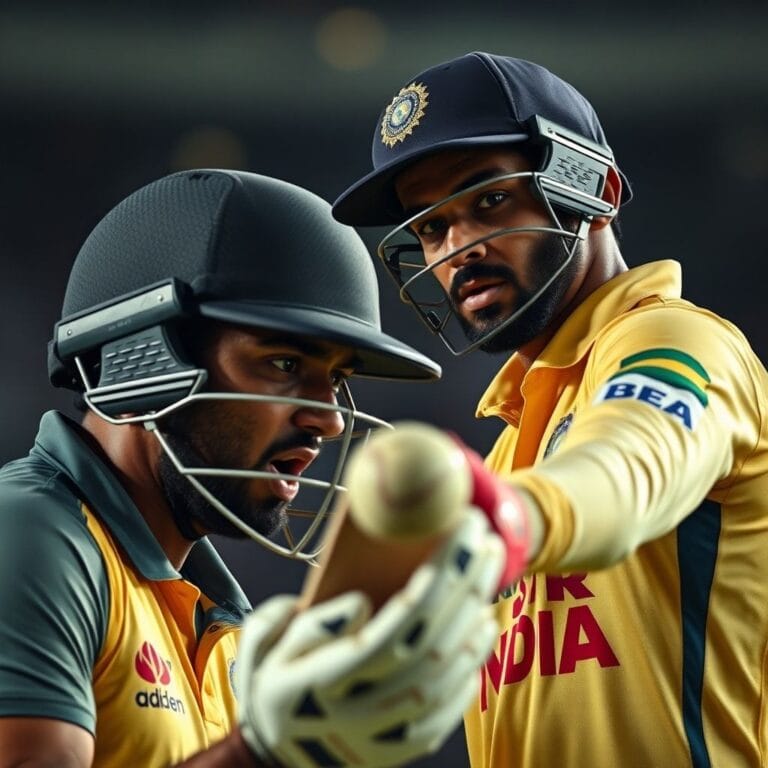
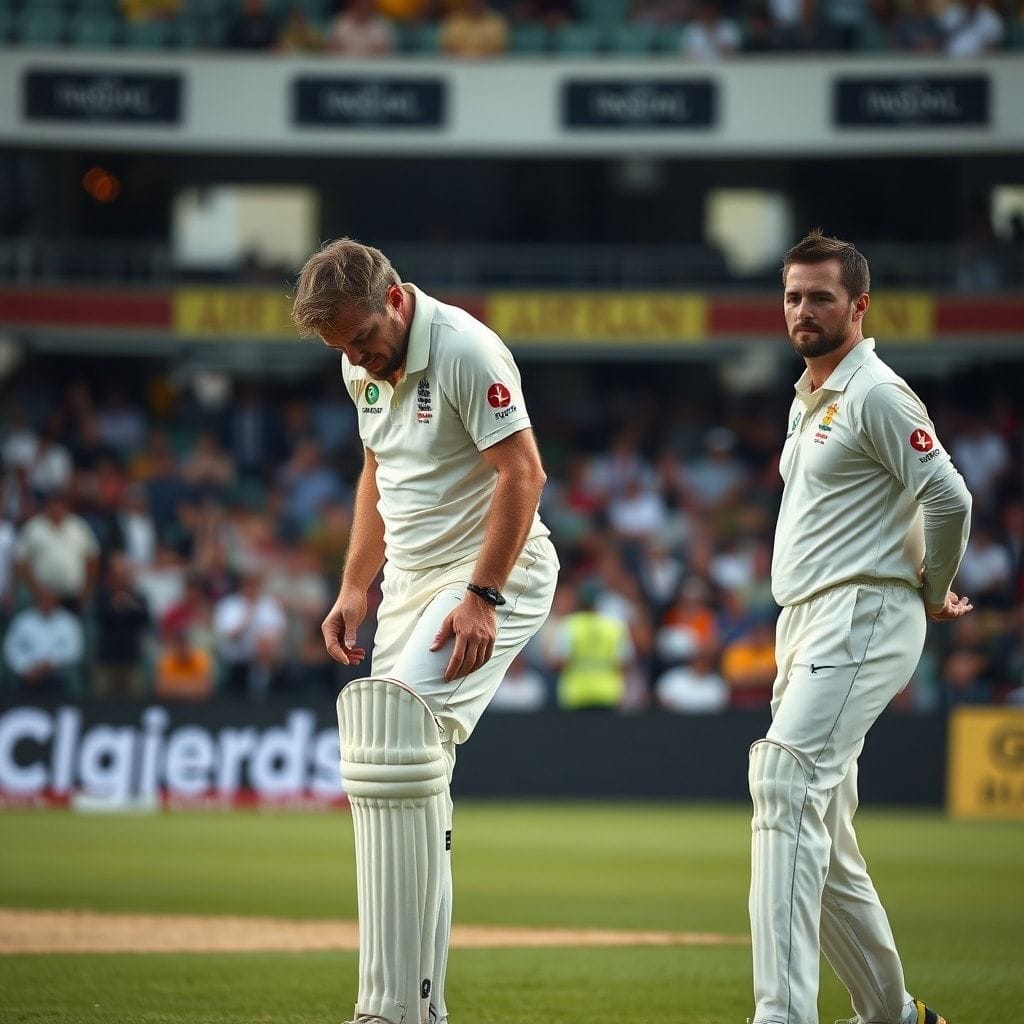
The opening act of the Ireland v Australia clash at Colombo’s R Premadasa Stadium turned into a crisis when skipper Paul Stirling limped off with a single on the scoreboard. The early casualty forced the Irish camp into a chase without its most experienced hand, setting the tone for a dramatic group‑stage encounter.
The Stats Behind the Strategy
| Player | Runs | Balls | SR | Role |
|---|---|---|---|---|
| Paul Stirling | 1 | 1 | 100 | Opener / Captain |
| Josh Inglis (AUS) | 37 | 28 | 132.1 | Middle‑order stabiliser |
| Marcus Stoinis (AUS) | 45 | 29 | 155.2 | Finisher |
| Nathan Ellis (AUS) | 0 | 4 | 0 | Opening pacer |
| Harry Tector (IRE) | 0 | 2 | 0 | Opener |
Tactical Analysis: The Power Play Dilemma
Australia’s decision to open with a short‑run, true‑bounce attack paid dividends on a pitch that offered a little extra pace after the early moisture evaporated. Xavier Bartlett’s first over was a textbook example of using the seam movement to keep the new ball alive. When Stirling tried a quick single off the first delivery, the yorker‑length ball caught his front foot, turning a routine run into a painful stumble.
With the captain gone, the Irish management faced a quick decision: promote a hard‑hitting middle‑order batsman up the order or stick with the remaining opener, Harry Tector, who had already shown vulnerability. The gamble was to send the aggressive left‑hander Craig Young to the crease, hoping his ability to pull short deliveries would offset the loss of Stirling’s left‑handed balance. The move back‑fired as Ellis knocked Young back with a crisp in‑seamer that clipped the pads for a LBW.
On the Australian side, the middle‑order pairing of Inglis and Renshaw was tasked with consolidating after Head’s run‑out. Their 37‑run contributions were anchored on rotating the strike and leaving a few overs for the death hitters. The most striking tactical shift came in the 16th over when Stoinis was handed the ball. Knowing the Irish spinners preferred the middle and leg‑side, Stoinis targeted the short‑wide lane, forcing the field to stretch and creating gaps for his sixes.
Player Roles and Mindset on a Troubled Pitch
The Colombo surface, traditionally known for a slower turn, surprised both teams with a subtle bounce that favoured the quick‑moving ball. For Australian pacers, this meant a higher reward for hitting the deck hard. Nathan Ellis, after a short spell, identified a pattern: the pitch’s top‑soil offered a slight seamer on the fourth and seventh overs, prompting him to bowl a tighter line and force errors.
From the Irish perspective, the loss of Stirling did more than remove a run‑maker; it stripped the side of a calming presence. Players like Mark Adair, normally a bowler, were thrust into a batting role. His 2/44 with the ball was respectable, yet his nervous push for quick runs in the lower order highlighted the pressure of filling a leadership vacuum.
Group B Implications and What Lies Ahead
Australia’s 182‑6 gave them a strong net‑run‑rate, placing them comfortably at the top of Group B. Ireland now sits on the brink of elimination, needing a win against a lower‑ranked opponent while preserving a healthy run‑rate. The immediate focus shifts to the next match against the United Arab Emirates, where a disciplined 150‑target could keep hopes alive.
Should Ireland survive, the real test comes a showdown with New Zealand later in the group. The team will have to rebuild confidence, perhaps revisiting a more conservative opening partnership to protect the middle order. In contrast, Australia will aim to maintain momentum, likely rotating their batting order to keep the opposition guessing.
Fan Perspective: The Emotional Ripple
Irish supporters, who travelled from Dublin to Colombo, described the scene as “heart‑stopping”. Social media feeds lit up with clips of Stirling’s painful exit, sparking a wave of concern for his fitness. The early wicket also triggered a ripple of anxiety among neutral fans, who saw the match as a potential upset if Ireland could mount a recovery.
Australian fans, on the other hand, celebrated the bowlers’ dominance, especially Ellis’s early strikes. Their confidence was evident in the stadium chants that rose after each wicket, reinforcing the narrative that Australia’s depth was too strong for a side missing its captain.
Both camps share a common yearning: a clear, decisive performance that justifies the high stakes of the tournament. For Ireland, it will be about resilience; for Australia, it will be about sustaining pressure.
Cricket Desk: Want more on Cricket Tactics? Check out our Cricket Tactics Latest News & Stats.