BCCI Central Contracts 2025-26: Key Shifts in Indian Cricket
BCCI Central Contracts Signal Strategic Shift in Indian Cricket
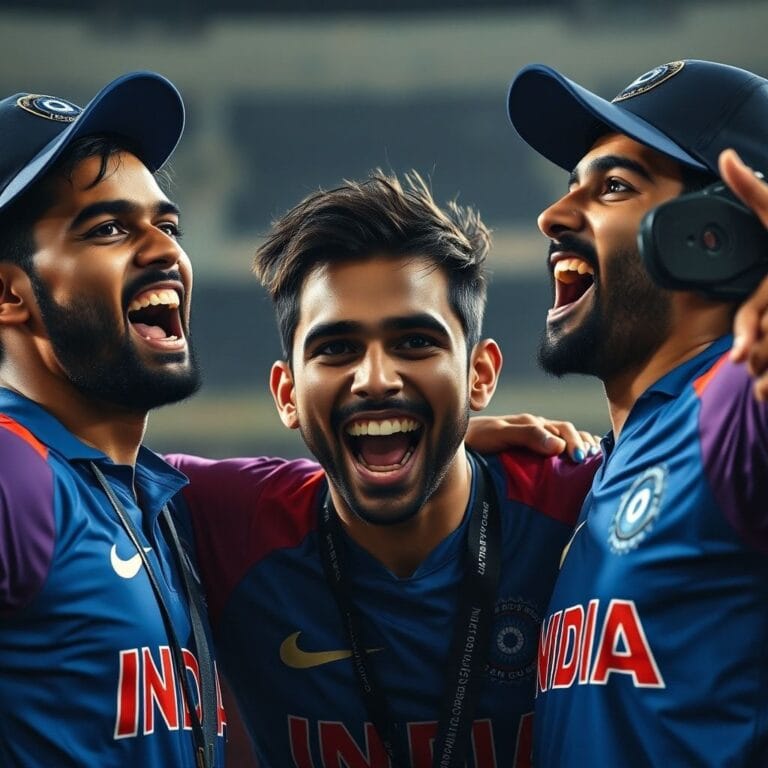
The BCCI’s fresh central‑contract list for 2025‑26 has turned the spotlight on a generational shift in Indian cricket. With Shubman Gill landing in the top‑tier Grade A while both Virat Kohli and Rohit Sharma slide to Grade B, the board is signalling where it sees its future focus.
For fans, the numbers are more than paperwork; they reflect a strategic recalibration ahead of the next World Cup, the Asia Cup and the home Test season. The decision to scrap the A+ tier and compress contracts into three grades forces a clearer performance‑based hierarchy that will shape squad selection, workload planning and the way senior players are deployed across formats.
The Stats Behind the Strategy
| Player | Grade 2024‑25 | Grade 2025‑26 | Key Recent Stats (ODI/T20I/Test) |
|---|---|---|---|
| Shubman Gill | A | A | Avg 49.2 (ODI), 45.5 (Test), 3 fifties in 2023‑24 |
| Jasprit Bumrah | A | A | 24 wickets (ODI), Econ 4.31 (T20I), 2‑for‑26 vs NZ |
| Ravindra Jadeja | A | A | Avg 34.7 (Test), 19‑40‑85 (ODI), 6 catches in 2024 WC qualifiers |
| Virat Kohli | A | B | Avg 45.6 (ODI), 40.8 (T20I), 3 fifties in 2023‑24 |
| Rohit Sharma | A | B | Avg 46.3 (ODI), 1 century in 2024, 2 fifties in T20Is |
These figures illustrate why the board favoured Gill’s upward swing. In the last 12 months he has posted a batting average that eclipses even the seasoned openers, and his technique on the slower sub‑continental pitches – especially the turn‑friendly Bengaluru wicket – has drawn praise. By contrast, Kohli and Rohit have limited themselves largely to ODI duties, a factor that nudged them into the mid‑tier.
From a tactical viewpoint, the BCCI now has three clear‑cut buckets. Grade A houses the core multi‑format engine room: a left‑handed anchor in Gill, a death‑bowling specialist in Bumrah and an all‑rounder who can swing the ball, spin and field in Jadeja. Grade B features senior campaigners who are still match‑winners but whose workload will be managed carefully. The board can rotate them in and out of the ODI and T20I squads without inflating the payroll.
One practical outcome is the likely reshuffle of the Indian batting order in limited‑overs games. With Gill cementing his place at No 3 or No 4 on the sub‑continental pitches of Dharamshala or Rajkot, the senior duo may be pushed down to anchor the chase. Their experience still matters, yet the team’s aggression at the top is expected to increase, especially on the hard, low‑bounce tracks of the UAE where the upcoming Asia Cup will be staged.
On the bowling front, Bumrah’s Grade A status reinforces his role as the spearhead of the new‑age attack. His ability to extract seam and swing on the green‑capped at Adelaide or the seam‑friendly Lord’s surface gives the selectors confidence to keep him front‑line across formats. Jadeja’s elevation highlights the board’s desire for a spin option who can also finish games with the bat, a crucial asset on the turning tracks of Colombo and Dhaka.
The demotion of Kohli and Rohit also sends a subtle message about the long‑term plan for the captaincy. Both have hinted at handing over the reins after the 2025 World Cup. Their Grade B contracts, paired with a reduced international schedule, give them breathing room to mentor the younger core while polishing their own craft for the remaining big tournaments.
Fans have reacted with a mix of nostalgia and optimism. Social media threads echo disappointment at seeing legends move down a grade, yet many celebrate the merit‑based approach. A recurring sentiment is that the BCCI is finally aligning money with form, a move that could keep the squad hungry and competitive for the next two‑year cycle.
Looking ahead, the central contracts will directly influence squad selections for the 2026 T20 World Cup. With Gill, Bumrah and Jadeja locked in Grade A, they are almost guaranteed spots, while the Grade B group will be evaluated on a series‑by‑series basis. The exclusion of Mohammed Shami, who missed out entirely, may serve as a warning that injury‑prone players need to prove fitness consistently.
In the bigger picture, the streamlined contract structure mirrors how other top cricketing boards operate, focusing on a lean elite and a broader pool of fringe players. It also provides a clearer pathway for emerging talent: perform at the IPL or domestic level, secure a Grade C contract, and knock on the door of Grade B and eventually Grade A. For Indian cricket, that transparent ladder could sustain success across formats for years to come.
Cricket Desk: Want more on BCCI? Check out our BCCI Latest News & Stats.