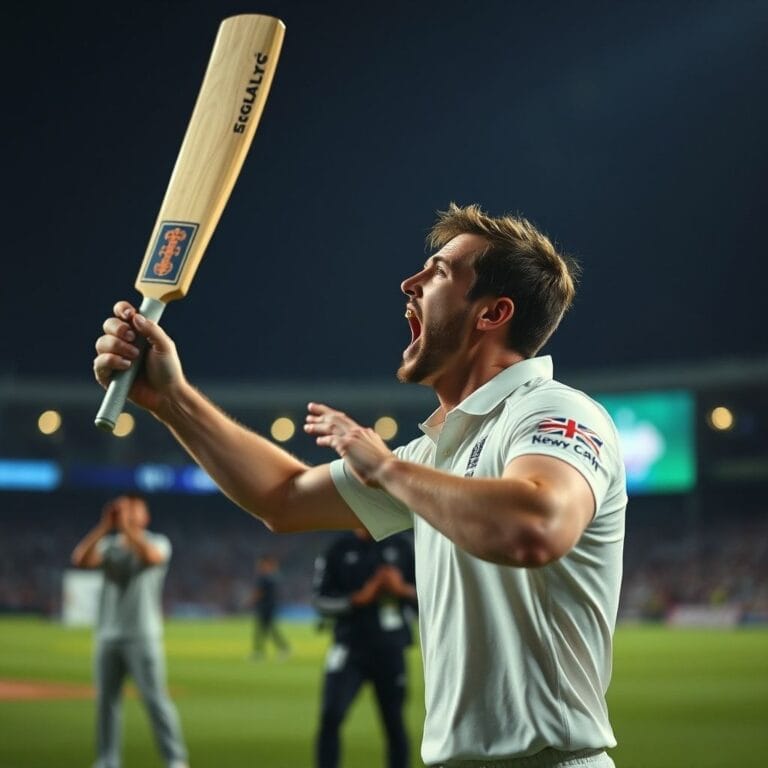
Italy’s T20 World Cup debut hit by Wayne Madsen injury
Italy’s T20 World Cup Debut Marred by Captain’s Injury
Italy’s first ever T20 World Cup appearance turned into a nightmare when captain Wayne Madsen suffered a dislocated shoulder early in the Scotland innings. The injury not only robbed the Azzurri of their leading run‑maker but forced a sudden reshuffle in a high‑stakes chase at Eden Gardens.
The Stats Behind the Strategy
| Team | Runs Scored | Wickets Lost | Run Rate | Key Contributors |
|---|---|---|---|---|
| Scotland | 207/4 | 4 | 10.35 | George Munsey 84 (54), Michael Jones 61 (45) |
| Italy (22 overs) | 45/1 | 1 | 2.05 | Justin Mosca 0, JJ Smuts 23 (18) |
The numbers tell a clear story. Scotland chased a 200‑plus total at a run rate that would make any top‑order side nervous, while Italy’s early wickets and a stuttering scoring rate expose the void left by Madsen.
Tactical Shifts After the Injury
When Madsen walked off, Italy’s coach rang the changes bell. The original plan was to let the captain anchor the middle overs, rotating the strike with Harry Manenti and building a partnership around his steady hand. With the captain unavailable, the responsibility fell to the stand‑in skipper, Manenti, who was thrust into a role demanding both aggression and composure.
Manenti immediately switched the batting order, promoting JJ Smuts to number three and pushing the Mosca brothers down a slot. The intent was to accelerate the powerplay in case a quick start could offset the loss of a senior run‑maker. The gamble has yet to pay off; Smuts has been defensive, perhaps wary of losing his wicket in front of a hostile crowd.
On the bowling side, Italy kept the original plan of using spin in the middle overs, hoping to create pressure as Scotland approached the 150‑run mark. The decision to retain the same bowlers, despite the captain’s injury, signalled confidence in the support staff’s ability to manage the situation without a major overhaul.
Player Mindsets and Role Adjustments
Wayne Madsen’s injury is more than a physical setback. At 42, he is the emotional core of a side that has never played at this level. His absence forces younger players to step up mentally. Smuts, who has T20 experience from franchise leagues, now carries the expectation of stabilising the innings while meeting a steep required run rate.
Harry Manenti, the new on‑field leader, must balance captaincy duties with his own batting responsibilities. His approach in the field has become visibly more vocal, urging bowlers to hit the right lines and urging batsmen to take calculated risks. The pressure of leading a debutant nation against a seasoned Scottish side is evident in his occasional nervous glances toward the crowd.
For Scotland, the injury presented a chance to tighten the no‑ball line. George Munsey, already in a flow state, recognized the shift in momentum and began targeting the Italian spinners with lofted drives, ensuring the target kept climbing.
Venue Influence – Eden Gardens and the Red Soil Factor
Eden Gardens has a reputation for favouring batsmen with its true bounce and short boundaries, especially on the western side where the first few overs are played. The red soil often grips the ball, giving seamers early movement but allowing spinners to extract turn once the pitch settles. Italy’s pacemen struggled to find any swing, while the Scottish openers capitalised on the minimal lateral movement to launch their partnership.
The dislocation happened on a hard practice pitch adjacent to the square, a reminder that even side areas can be unforgiving. The ground staff had prepared that area for net practice, leaving it slightly harder than the main square, contributing to the severity of Madsen’s fall.
Tournament Outlook and What Comes Next
With a loss looming on the horizon, Italy now faces Nepal and England. Both oppositions will test the depth of a side forced to operate without its senior batsman. The next match against Nepal, a team that relies heavily on spin, could give Italy a chance to rebuild confidence if their spinners can contain runs and force wickets.
England, on the other hand, will be a stern test of Italy’s resolve. The English side’s experienced bowlers are likely to exploit any technical frailties exposed by the early wicket of Mosca, and the Azzurri will need a partnership of at least 80 runs to stay competitive.
Madsen’s injury spotlights the thin margin between triumph and disaster for emerging cricket nations. The World Cup will continue to be a platform where a single moment can redefine a campaign, and Italy’s response will shape the narrative of underdogs in future editions.
Fan Pulse and Ground Reality
Italian supporters, many of whom travelled from Milan and Rome, have shown a mix of pride and anxiety. The early enthusiasm for seeing their flag flutter in a global arena turned into a somber chant when the captain was taken off. Yet, the crowd remained vocal, cheering every boundary and urging the players forward.
Scottish fans, buoyed by a massive total, have been enjoying the spectacle. Their chants of “Scotland! Scotland!” have filled the stands, but there’s a noticeable respect for the Italian debutans, especially when they see the younger players trying to hold the line.
In the end, the match will be remembered not for a result, but for the resilience shown by a squad that entered the world stage with little experience and walked away with a story of grit, even if the script included a painful chapter for their captain.
Cricket Desk: Want more on Eden Gardens? Check out our Eden Gardens Latest News & Stats.