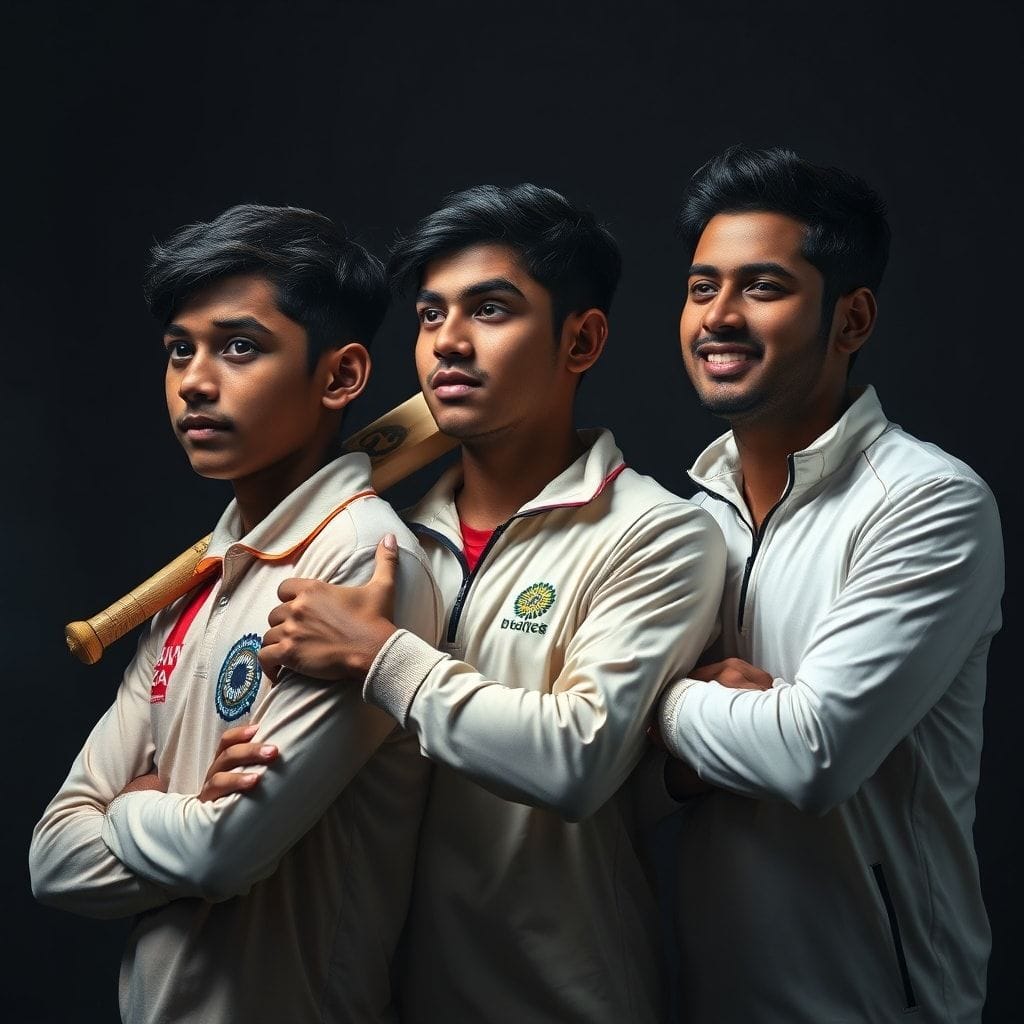
U19 World Cup 2026: India’s top performers revealed
India’s U19 World Cup Heroes: Suryavanshi, Patel, and Chouhan Shine in Team of the Tournament
The ICC has unveiled its U19 World Cup 2026 Team of the Tournament, spotlighting three Indian youngsters whose performances drove the team to a sixth title. Their selection matters because it signals who could shape India’s senior side in the coming years.
The Stats Behind the Strategy
| Player | Matches | Runs | SR | Wickets | Economy |
|---|---|---|---|---|---|
| Vaibhav Suryavanshi | 7 | 439 | 169.5 | 0 | – |
| Kanishk Chouhan | 7 | 113 | 116.5 | 7 | 4.52 |
| Henil Patel | 7 | 15 | 71.4 | 11 | 4.44 |
At the Harare Oval, the surface offered a medium pace, a little bounce, and a true seam movement. Suryavanshi’s 175 in the final came off a pitch that was still holding water, allowing the ball to race to the boundary. Patel’s spell of 5 for 16 against the USA took advantage of a damp square, where the ball kept skidding low.
Match Context and Tactical Landscape
India entered the tournament as the defending champions, yet they never looked like a side content with a single star. Coach Rahul Dravid set a clear mandate: open with aggression, middle order with stability, and use the new-ball attack to dismantle early partnerships. The opening pair — Suryavanshi and a hard-hitting right-hander — were instructed to dominate the powerplay, forcing the opposition’s bowlers onto the back foot.
When England won the toss in the final, they chose to field, aware that a quick start could tilt momentum. India’s decision to back Suryavanshi’s audacious intent paid off. By the 10th over he was already on 80, delivering 15 fours and 15 sixes. The opposition’s bowlers struggled to find a rhythm; the combination of a swinging new ball and the flat firing tracks in Harare made life uncomfortable for them.
Player Roles, Mindset, and Venue Connection
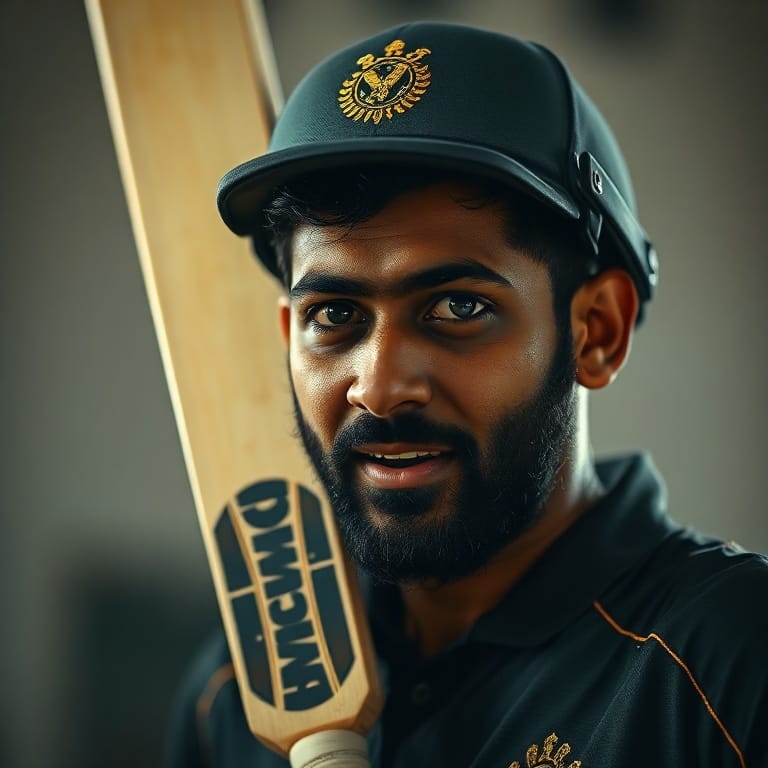
Vaibhav Suryavanshi – the left-handed torchbearer. Growing up on the hard courts of Mumbai, where the soil is red and the bounce generous, Suryavanshi learned to play on fast tracks. The Harare surface, though slower than Mumbai’s, still rewarded his aggressive footwork. His mindset was simple: treat every ball as a scoring opportunity, a trait that mirrors his performances in domestic U19 tournaments where he routinely turned 30-ball bursts into 100-plus scores.
Kanishk Chouhan – the calm engine. Chouhan’s upbringing in Delhi’s sprawling grounds taught him to rotate strike and grind innings. In the final, he entered at 45/1, a moment when the pressure to accelerate was palpable. He steadied the ship, playing 30 balls with a 100+ strike, then unleashed his own onslaught in the death overs. His dual skill set — medium-pace swing and off-spin variations — made him a valuable sixth bowler on pitches that offered lateral movement.
Henil Patel – the silent assassin. Hailing from the grassy outskirts of Ahmedabad, Patel’s pace thrives on seaming tracks. Harare’s early-day moisture suited his outswinger, which consistently tore through the top order. His economy of 4.44 across the tournament underlines a disciplined approach: bowl short, hit the corridor, and force the batsmen into mistakes.
Impact on the Tournament and What Lies Ahead
India’s clean sweep of the title cements its dominance in youth cricket. The three Indian selections now sit at the centre of a talent pipeline that could replenish the senior side within a decade. For Suryavanshi, the next step is likely a place in the IPL’s development squads, where his ability to score at a strike rate above 150 will be tested against seasoned bowlers.
Chouhan’s all-round contributions will make him a prime candidate for India A tours, especially in conditions where balance between bat and ball is crucial. Patel’s spell-making hints at a future in India’s pace attack, possibly earning him a spot in the India A fast-bowling camp ahead of the World Test Championship.
From a strategic perspective, the Indian board may look to integrate these youngsters gradually, pairing them with senior mentors to smooth the transition. The success also forces other nations to reassess their youth pathways, especially England, who fell short despite a strong batting line-up.
Fan Perspective and Grounded Opinions
Across social media, fans celebrated Suryavanshi’s fireworks, dubbing him the “next Virat” – a label that carries both admiration and pressure. Many older supporters expressed relief that India’s youth system continues to produce high-impact players, recalling the 2018 U19 triumph that birthed stars like Shubman Gill.
Critics, caution against rushing these youngsters into senior cricket. The leap from U19 to international arena is steep, and the mental resilience required is often underestimated. A balanced approach, giving them exposure in domestic first-class and limited-overs competitions, will be essential.
In the end, the Team of the Tournament reflects a blend of raw talent and tactical foresight. India’s three selections are not just individual successes; they are evidence of a cohesive system that nurtures skill, temperament, and adaptability. As the next cricketing season unfolds, the eyes of fans, coaches, and selectors will remain firmly on these names, waiting to see whether they can turn youth brilliance into senior stalwart status.
Cricket Desk: Want more on Indian Cricket? Check out our Indian Cricket Latest News & Stats.