Australia Triumphs in Women’s T20 World Cup Final
Australia Triumphs in Women’s T20 World Cup Final
The 2026 Women’s T20 World Cup final at Lord’s pitted England against a seasoned Australian side, and the result will shape the narrative of women’s cricket for years to come. A dramatic catch by Beth Mooney turned the tide early, setting up a chase that underscored Australia’s depth in both fielding and batting.
First‑innings tactics and England’s response
England opened with the usual power‑play aggression, but the loss of Amy Jones for six runs forced the hosts to rethink their middle‑order plan. Lucy Hamilton’s early strike on the Australian opening bowler gave a glimmer of hope, yet the real turning point arrived at the end of the fifth over. Annabel Sutherland’s short ball to Danni Wyatt‑Hodge was meant as a flick opportunity, but a faint edge meant the ball brushed the glove and headed toward the keeper.
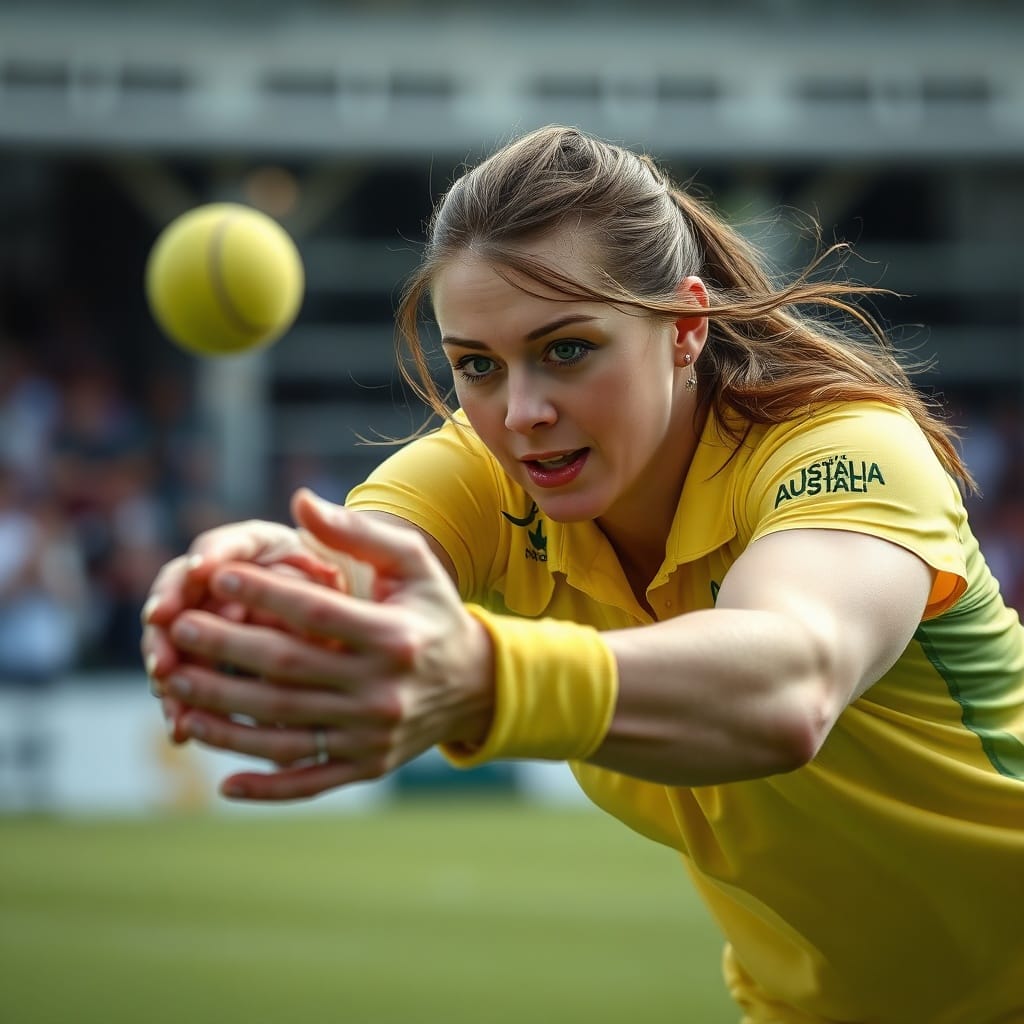
Mooney’s instinctive dive and the UltraEdge confirmation of a wicket gave England a shock 32/2. The dismissal forced captain Nat Sciver‑Brunt to adopt a more measured approach, anchoring the innings with a composed 58* off 53 balls. Freya Kemp’s late fireworks (44* off 28) added valuable runs, but the damage was done – England finished on 150/4, a respectable total that still left room for Australian pressure.
Australian chase: building a partnership that broke the shackles
Australia’s opening pair set a cautious tone, losing Georgia Voll early for nine. The loss could have delayed the chase, but the team’s game plan emphasized a second‑wicket stand that could seal the match. Beth Mooney, coming off a match‑changing catch, shifted into attack mode and paired with 16‑year‑old prodigy Phoebe Litchfield.
The duo stitched a 100‑run partnership in just 66 balls, a blend of Mooney’s precise placement and Litchfield’s boundary hunting. Mooney’s half‑century off 38 deliveries, highlighted by ten fours, showed her confidence behind the stumps translated into confidence with the bat. Litchfield’s 48 off 35, with six fours and two sixes, proved she could handle the pressure of a final.
Sophie Ecclestone’s breakthrough, trapping Mooney LBW in the 16th over, arrived too late to halt the momentum. Ellyse Perry and Ashleigh Gardner guided the tail, taking Australia to 153/3 in 17.1 overs, sealing a seven‑wicket victory with 17 balls to spare.
Player mindset and venue nuances
Lord’s “bunny‑grass” offers a slightly slower surface that rewards timing over brute force. Mooney’s ability to hit through the gaps suited the venue’s subtle bounce, while her catching prowess benefitted from the park’s well‑maintained outfield. For England, the early swing conditions helped Hamilton but later turned into a challenge for the middle order, as the ball settled and the pitch favored the Australian back‑foot play.
Psychologically, Mooney’s catch acted as a catalyst. The visual of a dismissed opponent mid‑flight can unsettle any batting line‑up, and the Australian side fed off that energy, playing with a relaxed aggression. Conversely, England’s bowlers, after the wicket, had to manage a sudden shift from dominance to containment, a mental swing that reflected in tighter lines and fewer wicket‑taking options.
The Stats Behind the Strategy
| Metric | England | Australia |
|---|---|---|
| Run rate (first 10 overs) | 6.8 | 7.4 |
| Wickets lost (first 10 overs) | 2 | 1 |
| Boundaries (total) | 15 (12 fours, 3 sixes) | 20 (14 fours, 6 sixes) |
| Partnership >50 runs | 1 (Sciver‑Brunt & Kemp – 92 runs) | 1 (Mooney & Litchfield – 100 runs) |
| Economy rate (top bowler) | 6.0 (Sciver‑Brunt) | 5.1 (Sutherland) |
The numbers tell the story of a chase that was both swift and steady. Australia’s higher run rate in the power‑play, combined with a single early wicket, set a platform that never wavered. England’s respectable middle‑order partnership kept them in the hunt, yet the lack of a late‑innings surge left them short of the target.
Tournament impact and what lies ahead
Australia’s seventh title cements a dynasty that will influence selection policies across the globe. Young talents like Litchfield now have a blueprint: composure under pressure and the ability to finish games. For England, the final highlighted the need for a deeper bench that can adapt once early wickets fall.
Looking ahead to the next ICC cycle, teams will likely study Australia’s blend of aggressive fielding and adaptable batting order. The success of a wicket‑keeper‑batter like Mooney could inspire other sides to develop dual‑role players, maximizing roster flexibility.
Fan perspective and grounded opinions
The English crowd at Lord’s felt a mix of pride and frustration. Fans applauded the resilience of Sciver‑Brunt and Kemp, yet many voiced disappointment at the lack of a late surge. Social media chatter celebrated Mooney’s catch as a “moment of the tournament”, while Australian supporters highlighted the seamless partnership as evidence of a well‑drilled unit.
In pubs across England, conversation turned to whether a different opening pair could have chased a higher total, or if a more aggressive death‑overs plan would have changed the outcome. Australian fans, meanwhile, relished the dominance, pointing to the seamless transition from a defensive catch to an attacking innings as the hallmark of a champion side.