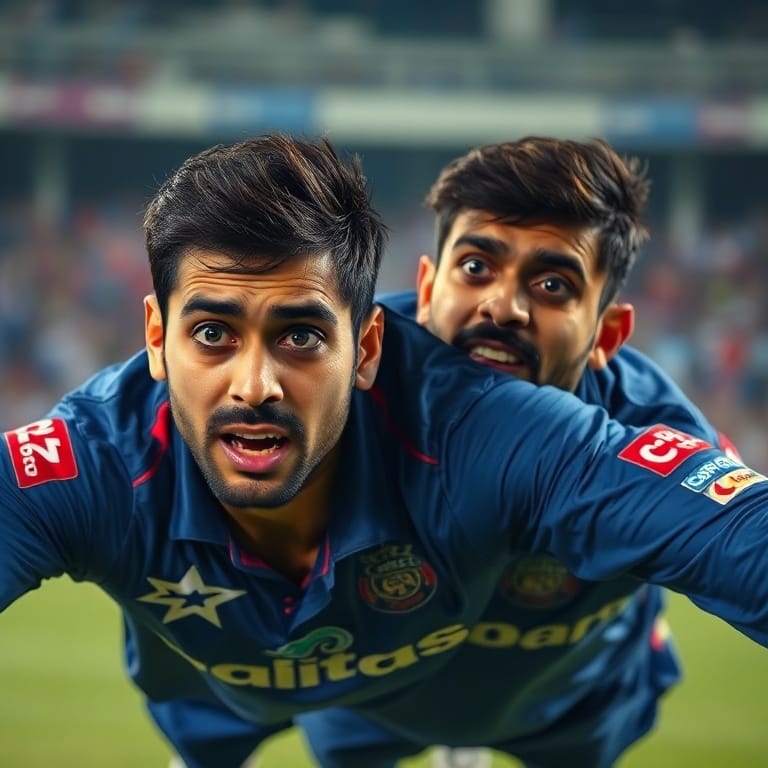
San Francisco Unicorns Dominate Washington Freedom with Blitzing Chase
San Francisco Unicorns Dominate Washington Freedom with Blitzing Chase
San Francisco Unicorns sprinted to a dominant eight‑wicket win over Washington Freedom in Match 15 of the 2026 Major League Cricket season. Chasing 191 at the Oakland Coliseum, they hit the target in just 15.1 overs, a performance that reshapes the early league table.
The Stats Behind the Strategy
| Team | Runs Scored | Overs Used | Run Rate | Top Scorer | Strike Rate |
|---|---|---|---|---|---|
| Washington Freedom | 190/4 | 19.4 | 9.6 | Andries Gous – 83 (50) | 166.0 |
| San Francisco Unicorns | 193/2 | 15.1 | 12.2 | Lhuan‑dre Pretorius – 66 (26) | 253.8 |
The numbers tell a clear story. Washington’s 9.6 run‑rate was respectable, but the Unicorns’ 12.2 runs per over turned the chase into a sprint. Pretorius’ 253.8 strike rate dwarfed the opposition’s best effort, and the opening partnership of 92 runs in under six overs set the tone.
Match context and tactical choices
Washington won the toss and chose to bat, trusting the flat surface at Oakland Coliseum to offer something for both batters and bowlers. The pitch, known for its short grass and low bounce, typically produces high‑scoring games. Yet the Freedom’s decision to open with Mitchell Owen and Andries Gous backfired when the early loss of Steve Smith put pressure on the middle order.
On the Unicorns side, captain Matthew Short’s decision to open with Finn Allen was aggressive. Allen’s 45 off 18 balls swung the momentum instantly, allowing the team to dictate the required run rate from the outset.
Player roles and mindset
Lhuan‑dre Pretorius entered the chase already in good form, but his role at this venue was clear: unleash power early and prevent the bowlers from settling. The Oakland pitch, with its dry red‑brown surface, rewards batters who can swing the bat and hit through the gap. Pretorius took the approach, targeting the short‑mid‑wicket zone where the bounce stays true.
Matthew Short, the captain, shifted gears after the openers’ blitz. His 34 off 26 balls was a blend of controlled driving and selective loft, keeping the required rate just above 12 while preserving wickets.
Aaron Hardie’s unbeaten 42 near the end showcased composure. With two overs left, he rotated the strike, punishing the wayward deliveries of Lockie Ferguson and Amila Aponso with precise pulls and looped drives.
Tournament impact and what comes next
With this victory, San Francisco jumps to the top of the points table, boasting a net run rate that will be hard for rivals to match. The emphatic win also sends a message to teams still adjusting to the pace of the season: a solid top‑order assault can determine the outcome before the middle order even steps in.
Washington Freedom, despite the loss, can take heart from Andries Gous’ 83. His ability to anchor while still finding the boundary will be crucial in the next fixtures. The team may rethink their opening pair, perhaps experimenting with a more aggressive start to keep the pressure off Gous.
Fan perspective and grounded opinions
Fans in the Bay Area were on their feet for the opening blitz. Social media buzz highlighted the “blazing start” and praised Pretorius for his fearless approach. Some traditionalists argued that chasing 191 with such aggression was risky, yet the outcome silenced doubts.
On the East Coast, Washington supporters expressed frustration, pointing to the lack of variation in their bowlers. The inability to keep the run rate in check after the first five overs became the main talking point. Many suggested bringing in a wrist‑spinning option to exploit the slightly uneven patches that appear later in the innings at the Coliseum.
the match reinforced the league’s identity: high‑octane cricket where power hitting and swift decision‑making are rewarded. As the season progresses, teams that can blend aggression with smart field placements are likely to stay ahead.