Rohit Sharma’s Padma Shri: A New Chapter for Indian Cricket
Rohit Sharma’s Padma Shri: A New Chapter for Indian Cricket
The nation watched as Rohit Sharma walked into Rashtrapati Bhavan to accept the Padma Shri, a civilian honour that places him alongside cricket royalty. The moment matters because it cements a career that reshaped India’s white‑ball game and hints at the role he will play as the 2027 ODI World Cup looms.
The Stats Behind the Strategy
| Format | Matches | Runs | Average | Centuries | Key Milestones |
|---|---|---|---|---|---|
| Tests | 67 | 4,301 | 40.6 | 12 | Highest score 212 at Chennai |
| ODIs | 285 | 11,720 | 48.8 | 33 | 264 vs Sri Lanka, three double centuries |
| T20Is | 159 | 4,231 | 32.0 | 5 | Captain of 2024 World‑Cup winning side |
Those numbers tell a story of a player who adapts to conditions. In the heat‑baked pitches of Chennai, his Test double‑century proved his patience, while the flat, low‑bouncing tracks of Mohali turned him into a six‑hitting machine. The ODI double‑centuries all came on venues that offered a mix of seam assistance and short boundaries – Nagpur’s square‑leg fence and the clear‑air of Galle’s outfield fed his aggressive intent.
Tactical Evolution Under the Helmet
Rohit’s captaincy style blended calm authority with calculated aggression. In the 2024 T20 World Cup final, he rotated his strike early, ensuring the power‑play didn’t collapse, then unleashed a barrage in the middle overs, turning the match on its head. The decision to promote Hirish Pandey at number three against England in 2025 reflected a deep reading of the new ball swing at Lord’s – a move that paid dividends as Pandey’s anchor role freed the lower order.
His retirement from Tests and T20Is was not a surrender but a strategic shift. By shedding the grind of the longest format, he could conserve his mental bandwidth for ODIs, where his presence is now a mentorship engine. In the recent Afghanistan series, Rohit’s innings of 134 on a turning Karachi track was less about personal milestones and more about showing younger batters how to counter spin with the paddle sweep and the late‑cut.
Player Roles and Mindset in a New Era
Rohit now wears two hats: senior striker and tactical guru. In the squad for the England tour, his role is to anchor the innings while allowing fast‑bowling spearheads like Jasprit Bumrah to strike from the front. His mindset has shifted from personal run‑chasing to sculpting innings that maximise the team’s chances of posting 300+ totals.
The younger cohort – Ruturaj, Prithvi, and the all‑rounder Gunner – look to him for cues on handling pressure. Rohit’s habit of taking a deep breath before every innings, a ritual he adopted after his 2019 World Cup disappointment, now permeates the dressing room. That ritual creates a mental reset, especially before high‑stakes matches at venues like the Oval, where crowd noise can unnerve even the most seasoned players.
Impact on the 2027 World Cup Cycle
The Padma Shri arrives at a crossroads. India’s next major test is the 2027 ODI World Cup, and the board is already mapping out a blend of experience and youth. Rohit’s presence gives the team a “big‑game” safety net. His tactical acumen will shape the batting order, ensuring players like Shubman Gill and Ishan Kishan have clear roles – Gill as the dependable top‑order anchor, Kishan as the explosive finisher.
Selectors are also using his experience to calibrate pitch‑preparations. For sub‑continental venues, they are favouring slightly slower, low‑bounce surfaces that allow the center‑order to accumulate runs without excessive risk. In England, the plan is to select a seam‑friendly wicket that gives Bumrah early movement, while Rohit maneuvers the chase with calculated aggression.
Fan Perspective and Grounded Opinions
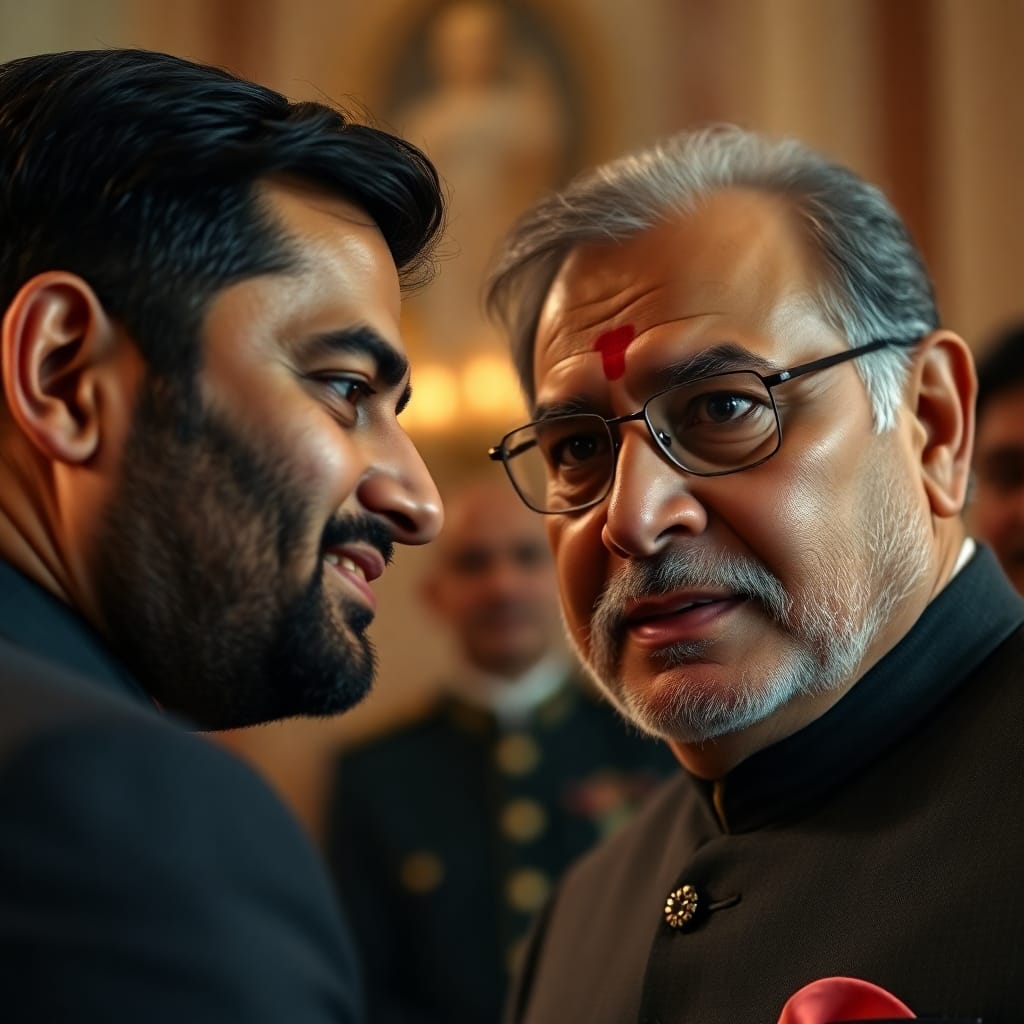
Fans across the country felt a surge of pride as Rohit knelt before President Droupadi Murmu and received the medal. Social media streams lit up with tributes, mixtapes of his sixes, and memes comparing his pad‑shri moment to Sachin’s Bharat Ratna ceremony. Yet there’s a pragmatic undercurrent: supporters recognise that while honours are sweet, the next challenge is keeping the winning formula alive.
Old‑time followers recall the 2024 T20 triumph and wonder if Rohit can replicate that magic in the 50‑over arena. Younger fans, who grew up watching his helicopter‑shot on YouTube loops, are hopeful that his guidance will usher in a new era of run‑chases that cross the 350‑run barrier more often.
Critics point out that his retirement from T20s could leave a void in the shorter format’s leadership. Yet they also agree that his conservation of energy for ODIs is a sensible trade‑off, especially with the 2027 schedule demanding consistency.
What Comes Next?
The next few months will see Rohit spearheading India’s preparation camps in Bengaluru, where the team will practice on a hybrid pitch that mimics both sub‑continental and overseas conditions. His leadership in the net sessions – walking bowlers through variations and urging batsmen to play the ball late – will shape the mindset heading into the World Cup qualifiers.
Off the field, the Padma Shri will likely open doors for Rohit in cricket administration, coaching, and mentorship programmes. His voice could become instrumental in shaping grassroots policies that nurture talent from tier‑2 cities, a cause he has championed since his own rise from Mumbai’s club cricket.
the ceremony was more than a medal ceremony; it was a signal that Indian cricket is entering a phase where past glories inform future strategies, and Rohit Sharma stands at that bridge, ready to guide the next generation across.