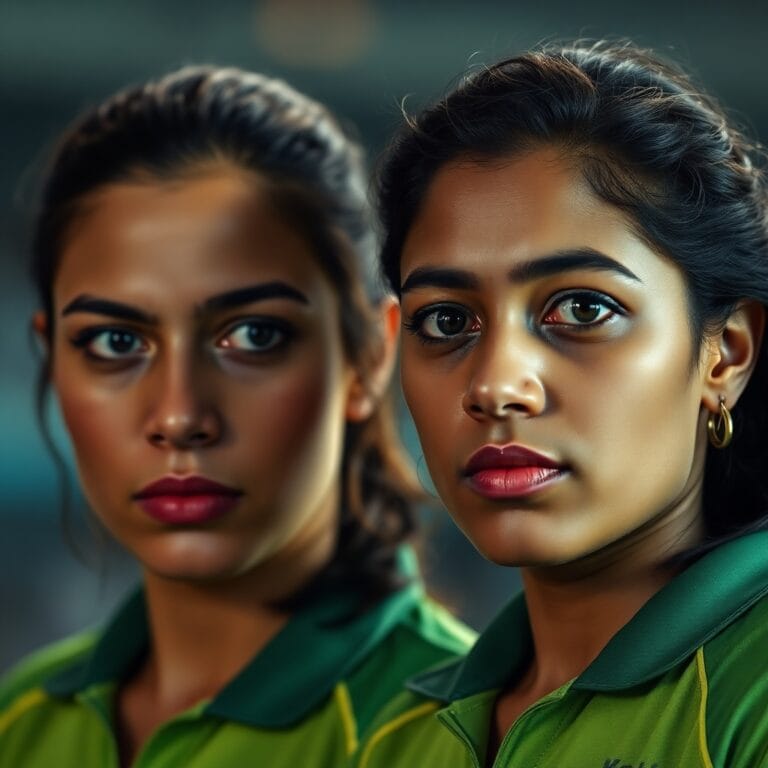
India’s T20 World Cup Campaign Tested After South Africa Defeat
India’s T20 World Cup Campaign Tested After South Africa Defeat
The Women’s T20 World Cup witnessed India’s 200th T20I for skipper Harmanpreet Kaur end in a six‑wicket loss to South Africa at Old Trafford. A heartfelt message from men’s star Suryakumar Yadav arrived just in time, reminding the side that a single defeat does not seal a campaign.
Match context and tournament landscape
India entered the tournament with confidence, cruising past Pakistan and the Netherlands with expansive batting displays. The South Africa game represented the first real test of the group, pitting two aggressive sides against each other on a pitch that offered a blend of seam movement and a bit of turn. Old Trafford’s historic square‑stumps have traditionally aided swing bowlers early on, then settle into a moderate bounce that rewards those who can rotate the strike. The loss placed India in a precarious position: a must‑win against Bangladesh loomed, followed by a blockbuster clash with six‑time champions Australia at Lord’s.
Tactical analysis and team decisions
India’s opening plan hinged on exploiting the power‑play fielding restrictions. Opening pair Shafali Verma and Smriti Mandhana set a brisk tempo, reaching 59/0 before the first wicket fell. The strategy was to keep the scoreboard ticking and force South Africa into a defensive field.
Mid‑overs exposed a lack of adaptability. The batswomen struggled to find the rhythm against Kapp’s disciplined line, resulting in a drop in run rate. Captain Harmanpreet attempted a promotion of all‑rounder Shikha Pandey to accelerate, but the move backfired as Pandey’s dismissal triggered a mini‑collapse. South Africa, sensing the shift, tightened their field and pressed for wickets.
Bowling changes reflected a desire to break the partnership. India introduced spinner Pooja Vastrakar early, hoping her variations would cut off the singles. The move produced only a solitary wicket and allowed Marizanne Kapp to settle, eventually dispatching an unbeaten 81. In hindsight, holding a fifth bowler for the death overs could have provided an extra over to curb the final surge.
Player roles and mindset
Harmanpreet’s leadership was openly tested. Her post‑match interview acknowledged that the team had “lost the edge in the middle overs” and promised a more aggressive finish. Suryakumar’s Instagram note, written in Hindi‑English, echoed a shared belief: resilience and fearlessness are the hallmarks of a champion side.
Shafali’s role remains that of a power‑hitting starter, but she now faces the task of anchoring longer innings when early wickets fall. Mandhana, with her ability to swing the bat, must become the stabiliser, rotating strike and building partnerships beyond the powerplay.
All‑rounder Shikha Pandey, who was promoted, learned that timing of such a move is crucial. Her aggressive push was bold, yet the lack of support from the other end left her exposed. The coaching staff is likely to re‑evaluate the batting order, perhaps reverting to a more traditional hierarchy for the Bangladesh match.
The Stats Behind the Strategy
| Metric | India | South Africa |
|---|---|---|
| Powerplay runs (0‑6 overs) | 59/0 | 33/2 |
| Run rate (6‑15 overs) | 4.7 | 6.2 |
| Wickets lost (0‑15 overs) | 4 | 0 |
| Extras conceded | 12 | 5 |
| Key bowler wicket tally | Pooja Vastrakar 1/28 (4 ov) | Marizanne Kapp 2/24 (4 ov) |
Old Trafford’s seam‑friendly conditions saw India’s best overs come early, while the middle spell highlighted a sudden dip in strike rotation. South Africa’s Kapp turned the pitch’s bounce to her advantage, timing lofted shots that cleared the in‑field.
Venue‑specific player links
Old Trafford’s blend of swing and moderate seam makes it a haven for bowlers like Pooja Vastrakar, who can extract late movement. Conversely, it challenges batters who rely on flat‑track timing; Shikha Pandey’s off‑spin is less threatening here, which may have contributed to her modest return.
Looking ahead, Bangladesh will play at Edgbaston, a ground known for its slower surface and lower bounce. That condition favors players who can maneuver the ball, such as Harmanpreet’s sweeping strokes and Shafali’s wrist‑work. The upcoming Lord’s encounter will test England’s historic pitch, where the ball tends to swing early and seize in the second half – a scenario where experienced campaigners like Mandhana could thrive.
Impact on the tournament and what comes next
The defeat means India can no longer afford another slip. A win against Bangladesh is essential to keep advancement hopes alive; a loss would likely hand the group to South Africa or Australia. The team’s mental reset, inspired by Suryakumar’s message, will be measured by how quickly they translate confidence into runs.
Australia, the eventual group‑top contender, will present a more daunting test. Their disciplined death bowling and depth in the batting order can exploit any lingering hesitation in the Indian line‑up. Preparing a clear plan – perhaps promoting a finisher like Deepti Sharma for the final overs – could be a decisive factor.
Fan perspective and grounded opinions
Supporters on social media expressed disappointment, yet many rallied behind the mantra “stick tight, be fearless”. The visual of Suryakumar, a familiar face from the men’s triumph, sparked a wave of optimism. Grass‑roots fans highlighted the need for better fielding, pointing to the two dropped catches that shifted momentum.
Opinion pieces in Indian newspapers argue that the batting order should be tweaked, suggesting a partnership between Mandhana and a younger talent like Richa Ghosh to provide stability. Others call for a more aggressive spin attack, noting that South Africa’s success was built around Kapp’s ability to dominate on the middle‑overs pitch.
What remains clear is that the Women’s team now carries a renewed sense of purpose. The combination of tactical adjustments, venue‑specific strategies, and a morale boost from a celebrated teammate sets the stage for a compelling comeback. Whether they can translate that into a win against Bangladesh and a competitive showdown with Australia will define their World Cup narrative.