Glenn Phillips’s Sunglasses Moment: How Vision Shaped a Test Match
Glenn Phillips’s Sunglasses Moment: How Vision Shaped a Test Match
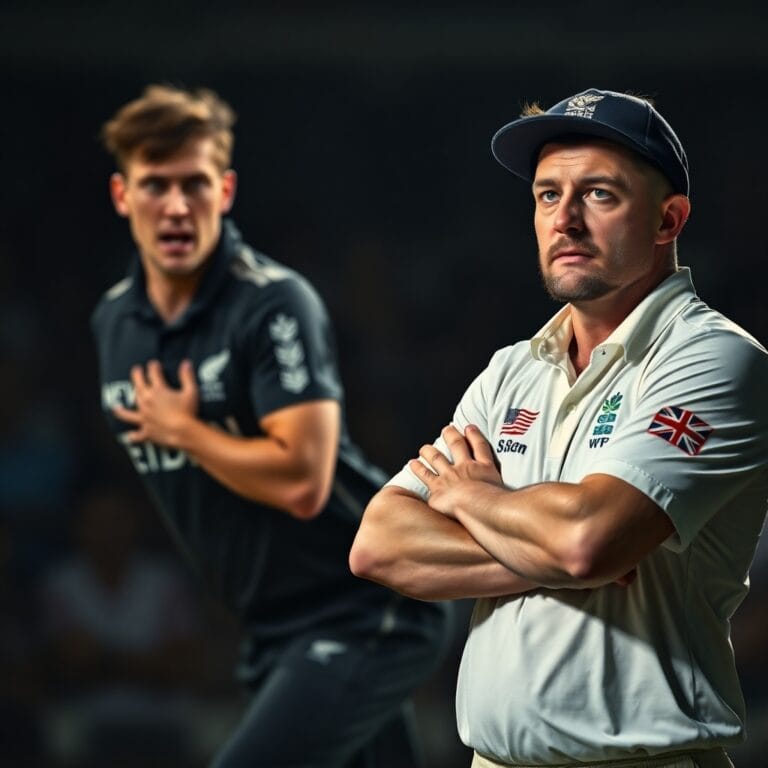
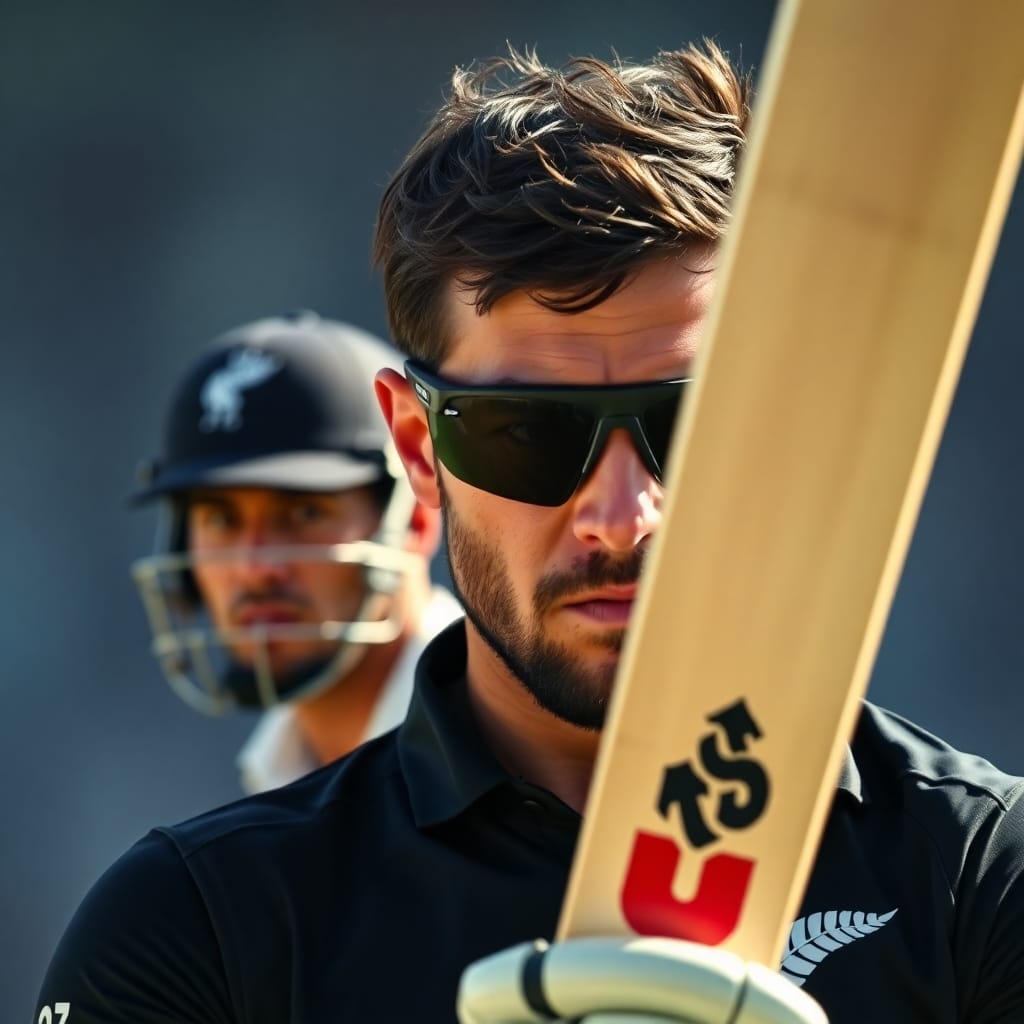
Glenn Phillips’s sunglasses moment at The Oval turned a simple visual aid into a talking point that stretched far beyond a single innings. The New Zealand batsman’s bold choice helped him craft a century against Jofra Archer, a knock that lifted the Black Caps to a series‑leveling win and reshaped the tactical dialogue around light, equipment and mental resilience in Test cricket.
The Stats Behind the Strategy
| Metric | New Zealand (2nd Test) | England (2nd Test) |
|---|---|---|
| Total Runs | 391 + 362 = 753 | 291 + 209 = 500 |
| Top Scorer | Glenn Phillips – 100 (135 balls) | Joe Root – 77 (158 balls) |
| Best Bowling Figures (Innings) | Matt Henry – 6/29 (4th innings) | Jacob Bethell – 3/26 (1st innings) |
| Partnerships > 100 runs | Phillips & Conway – 163 runs | Root & Brook – 135 runs |
| Overs Bowled in Day 1 (England) | – | Jofra Archer – 17 overs, 2/45 |
What the numbers hide is the subtle shift in approach that Phillips forced. A 100‑run stand on a flat Oval surface usually leans on patience, yet his strike‑rate of 74.07 meant he kept the scoreboard ticking while still navigating Archer’s 140+ km/h deliveries. The sunglasses, a practical antidote to the glare that bounced off the sight‑screen, effectively turned a visual handicap into a tactical edge.
Match context and why it mattered
The Oval, with its traditionally benign bounce and a reputation for rewarding patient batting, became a battlefield of light on Day 1. England entered the match with a 1‑0 lead, but the Black Caps needed a win to stay alive. The game’s early narrative was set by a bright, low‑angle sun that turned the sight‑screen into a mirror, reflecting harsh glare into every batsman’s line of sight.
Phillips, known for his fluid left‑hand strokes, found his usual rhythm compromised. That morning he walked to the crease wearing a pair of dark sunglasses – a sight more common in limited‑overs night fixtures than in a historic Test arena. The decision sparked a social‑media buzz, yet the underlying story was simple: his eyes were sensitive, and the glare threatened not just his comfort but his safety.
Tactical analysis and team decisions
New Zealand’s coaching staff had to weigh two risks. Removing the sunglasses would expose Phillips to a potential mis‑read of Archer’s seam movement; keeping them could affect his peripheral vision and reaction to short‑length balls. The compromise was to let him wear the glasses while ensuring his grip on the bat remained steady. The team also adjusted the batting order slightly, promoting Phillips earlier to give him a chance to set a platform before the sun peaked.
On England’s side, the decision to bowl at a full‑toss pace during the bright hour gave Archer a clear line of attack. Jofra, accustomed to night‑time conditions, had to rely on his instinctual pace and swing. The bowlers behind him, notably Ollie Robinson, used short bursts to test Phillips’s vision, but Phillips’s sunglasses filtered the intensity, allowing him to pick the ball’s seam earlier.
Player roles, mindset and the sunglasses moment
Phillips approached the innings with a survivor’s mindset. He admitted in post‑match interviews that previous dismissals due to glare had haunted him. The choice to ‘swallow his pride’ was less a fashion statement and more a survival tactic. By securing clear sight, he could focus on placement rather than fearing a blinder from the sun.
Archer, aware of the spotlight on Phillips, tried to intimidate with a series of yorkers and bouncers. Yet the sunglasses negated the psychological edge of the glare, forcing Archer to rely purely on skill. The result was a series of edged‑away mistakes that Phillips capitalised on, driving the ball through the cover region for boundaries.
Impact on the series and what comes next
New Zealand’s 753‑run total forced England into a massive fourth‑innings chase. The momentum swing was evident: Matt Henry, who had already taken 5/80 in the first innings, returned with a devastating 6/29 to wrap up the game. The series, now level at 1‑1, heads into a decisive third Test where conditions shift to a slower Wellington pitch.
In Wellington, the slower green‑topped surface will test England’s pace attack and favor New Zealand’s spinners. Phillips’s confidence after the Oval century will likely see him anchoring the middle order, while Archer will have an opportunity to adapt his line under different light conditions.
Fans’ perspective and grounded opinions
Social media erupted with memes of Phillips sporting the glasses, but the deeper fan conversation centered on adaptability. Supporters praised the New Zealand side for turning a perceived weakness into a strength, noting that the decision showcased a modern, player‑centric approach to equipment.
English fans, on the other hand, expressed frustration at the missed chance to exploit the glare on their bowlers. Many felt that a better pre‑match assessment of the sight‑screen’s impact could have forced New Zealand to play without the glasses, creating a different dynamic.
the episode reminded everyone that Test cricket is as much about reading conditions as it is about technique. Whether it’s sunlight, swing, or a player’s personal quirks, the game rewards those who can adapt quickly and think beyond the traditional playbook.
Player + venue linking
The Oval’s firm, grassy wickets have historically helped fast bowlers, but on a bright June morning the venue’s sight‑screen turned into a hazard. Glenn Phillips’s sunglasses, reminiscent of the shades he once wore on the slower, wind‑helped surfaces of Dunedin, proved that his game is as much about mental preparation as it is about physical skill. In Wellington, the green‑top will invite spinners like Mitchell Santner to exploit turn, while Phillips’s experience on bright pitches will likely make him a calm presence against any swing.