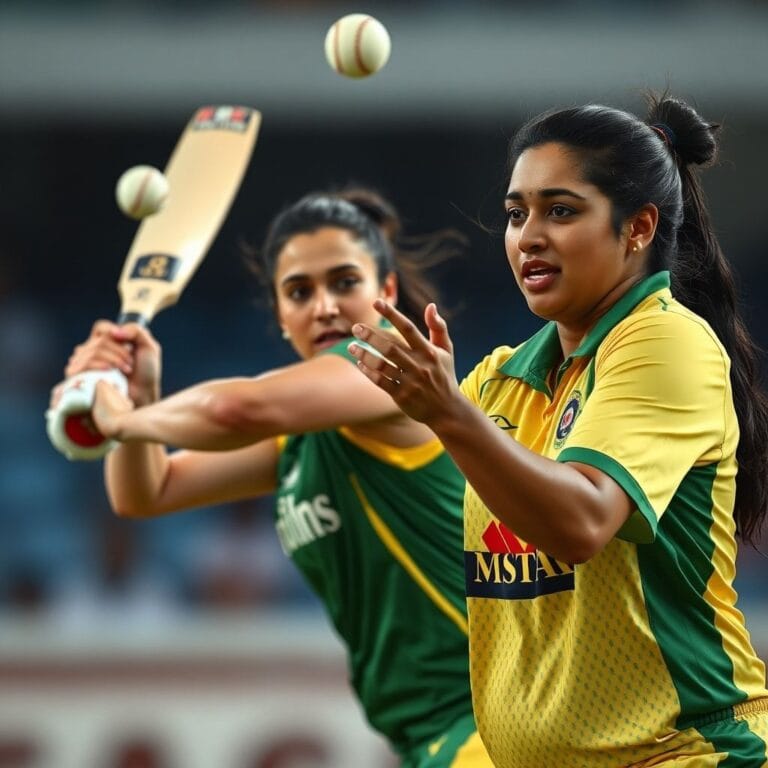
India Clinch Series 3-0 Against Afghanistan with Nine-Wicket Win at Chepauk
India Clinch Series 3-0 Against Afghanistan with Nine-Wicket Win at Chepauk
India wrapped up the three‑match ODI series against Afghanistan with a nine‑wicket win at the MA Chidambaram Stadium, clinching a 3‑0 clean sweep. The margin not only reinforced India’s dominance on home soil but also sent a clear signal ahead of the upcoming World Cup qualifiers.
From the moment Afghanistan won the toss and chose to bat, the hosts plotted a classic aggressive start. The new‑ball partnership of Prasidh Krishna and Gurnoor Singh Brar was designed to exploit the early‑session bounce on the historic Chepauk pitch. Within the first ten overs, the seamers had extracted just enough movement to dismantle the top order, leaving Afghanistan reeling at 33 for 3. The decision to open with two right‑arm pacers, rather than a swing‑oriented left‑arm option, reflected the ground’s reputation for a slightly lively seam on day one.
Afghanistan’s captain, Hashmatullah Shahidi, steadied the ship with a composed century. His knock blended patience with calculated aggression, a temperament that suited Chepauk’s slower second‑innings turn. The 102‑run effort, laced with 13 fours and a six, turned a potential collapse into a respectable 218‑run total. Shahidi’s ability to rotate the strike while waiting for the ball to settle into its true line showed why he is often the go‑to man when the team needs to rebuild after early setbacks.
On the bowling front, Prasidh Krishna’s five‑for‑23 spell was the decisive factor. His line stayed tight outside off, forcing the Afghan batsmen into a cramped corridor. The quick‑turning nature of the Chidambaram surface meant that any deviation, however slight, became a nightmare for batsmen looking to free their hands. Krishna’s variations – a slower ball that gripped on the fourth‑hitting seam and a subtle yorker that tucked under the pads – broke two vital partnerships and kept the scoring rate in check.
The chase belonged to the young openers, Yashasvi Jaiswal and Rohit Sharma. With a target of 219, the pair walked out knowing the pitch would flatten out as the day progressed. Jaiswal’s 110 not out off 86 balls showcased a blend of textbook technique and fearless innovation. He used the slower, turning areas of the track to find gaps, while still punishing loose deliveries with his trademark cut and pull.
Rohit Sharma, playing as a senior anchor, delivered a brisk 79 off 69 balls. His placement of the ball on the middle and off side took advantage of the decreasing swing after the lunch break. The duo’s partnership of 186 runs in just 22 overs effectively nullified any chance of Afghanistan mounting a late fight‑back. After Rohit’s dismissal, Shreyas Iyer’s quick 20 sealed the chase, proving the depth of India’s middle order.
Afghanistan’s bowlers tried to use the night‑time turn, but the lack of penetration from Rashid Khan and the supporting seamer cohort meant runs kept flowing. Rashid’s typical wrist‑spin variations were blunted by the pitch’s lack of grit, leaving only Mohammad Nabi to claim a solitary wicket.
The Stats Behind the Strategy
| Player | Runs | Balls | SR | Wickets | Econ |
|---|---|---|---|---|---|
| Yashasvi Jaiswal | 110 | 86 | 127.91 | – | – |
| Rohit Sharma | 79 | 69 | 114.49 | – | – |
| Prasidh Krishna | – | 50 | – | 5 | 2.71 |
| Hashmatullah Shahidi | 102 | 131 | 77.86 | – | – |
| Azmatullah Omarzai | 50 | 56 | 89.29 | – | – |
The numbers tell a simple story: India’s top order scored at a rate exceeding 120, while Krishna kept the opposition’s run‑rate under three per over. Afghanistan’s sole century came at a slower strike rate, reflecting the pressure of early wickets and the need to rebuild.
Venue‑specific nuances played a huge role. The Chidambaram ground, with its famed red soil, offers early‑session bounce that benefits seamers, then eases into a slower, turning track by the afternoon. India’s decision to open with two quick‑strike pacers paid dividends in those first ten overs, whereas Afghanistan’s middle‑order plan hinged on Shahidi’s ability to read the changing conditions. The pitch’s tendency to hold back on true spin after the 30‑over mark meant Rashid Khan’s leg‑breaks lost their usual bite, allowing the hosts to accelerate unchecked.
From a tactical perspective, India’s bowling captain (Rohit Sharma) opted to rotate bowlers in short spells, ensuring fresh legs for the death overs. By deploying Washington Sundar in a more restrictive role rather than a wicket‑taking one, the side kept the run‑flow under control without risking a breakthrough that could have let Afghanistan settle into a partnership.
The series sweep has broader implications for the upcoming World Cup qualifying rounds. With the confidence of a 3‑0 result and the momentum of a young opener in sublime form, India can afford to experiment with the batting order, perhaps promoting Jaiswal to a permanent opening slot. The bowling unit, led by Krishna, now boasts a proven wicket‑taker in home conditions, a luxury when facing teams that rely heavily on pace.
Fans in Chennai celebrated the win with a mixture of pride and relief. Social media threads highlighted Jaiswal’s ability to chase big scores under pressure, while older supporters praised the seasoned leadership of Rohit Sharma and the tactical acumen of the coaching staff. The consensus among the crowd was clear: the team displayed both depth and composure, traits that will be essential when facing stronger opponents later in the calendar.
Looking ahead, Afghanistan will need to reassess their approach to early wickets, perhaps considering a more defensive opening pair to blunt India’s new‑ball threat. For India, the next challenge will be to translate this dominance into consistency across varied surfaces, especially those that favor spin or swing rather than seam bounce.
In sum, the 9‑wicket victory was more than a finish line; it was a statement of intent. The blend of aggressive pacing, strategic rotation, and the emergence of a new batting star creates a compelling narrative for the rest of the season.