KL Rahul’s Batting Position Debate: Stats, Strategy, and Series Impact
KL Rahul’s Batting Position Debate: Stats, Strategy, and Series Impact
India finished the Afghanistan ODI series with a 2‑0 lead, leaving the third match as a chance to fine‑tune the batting order before the next international commitments. Former skipper Kris Srikkanth used the platform to argue that KL Rahul belongs higher up the table, a view that sparks fresh debate about stability versus rotation in the lead‑up to the 2027 World Cup.
Match and Series Context
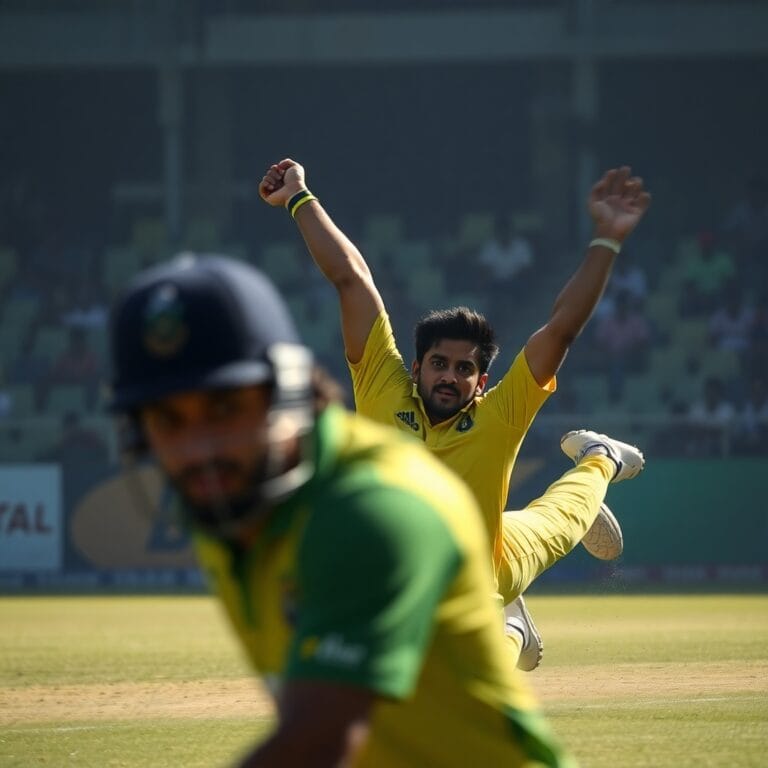
The two opening games in Greater Noida and Dharamshala saw India dominate, but the line‑up was fluid. Senior players like Shreyas Iyer and Hardik Pandya were rested, prompting the team management to hand opportunities to fringe names. Rahul, traditionally a No. 4 or No. 5 in his prime, was slotted at No. 5 in the first ODI and delivered a rapid 39* off 19 balls. In the second match he was moved to No. 6 and was out for a duck. The series win secured a clean sweep, yet the shuffle in the order raises questions about rhythm and confidence.
Why the Spot Matters
Rahul’s skill set—long‑form patience, a soft script against the new ball, and a knack for accelerating in the middle overs—makes him an ideal anchor for a team looking to set or chase 300‑plus totals. Dropping him to No. 6 forces him into a finisher’s role, where the expectation is to hit big in the death, a less natural fit for his game. The shift also disrupts the partnership dynamics that usually develop from the top order, something Srikkanth highlighted as detrimental to building innings momentum.
Team Decisions and Tactical Balance
India’s coaching staff has been experimenting with a rotation policy, giving bench players a taste of the middle order. This approach aims to assess depth ahead of the World Cup, but the trade‑off is the potential loss of consistency for established players. A stable No. 4‑5 slot for Rahul could free a younger batsman—perhaps Shubman Gill or Prithvi Shaw—to experiment at No. 3, while the lower order remains a genuine power‑hitting unit featuring Rahul’s recent stand‑in, Ruturaj Gaikwad or Sanju Samson.
The Stats Behind the Strategy
| Position | Innings | Runs | Average | SR |
|---|---|---|---|---|
| No. 4 | 12 | 528 | 44.00 | 88.5 |
| No. 5 | 15 | 642 | 45.85 | 92.3 |
| No. 6 | 8 | 168 | 21.00 | 97.8 |
The numbers show a clear dip when Rahul moves down to No. 6. While his strike rate remains healthy, the average drops dramatically, suggesting fewer opportunities to build a substantial innings. The pattern aligns with his earlier career phase, where he thrived when given the chance to settle before the final overs.
Player Mindset and Role Clarity
For a batsman of Rahul’s experience, routine and role definition are vital. A sudden shuffle can create mental friction, especially after a long domestic season and the IPL. When a player knows his target—either to anchor the chase or to finish—he can calibrate his approach, shot selection, and pacing. Consistency in the batting order also helps him manage the physical toll of back‑to‑back matches, a concern raised by Srikkanth regarding the packed schedule.
Venue Linkage: Chennai’s Grip
The final ODI is slated for Chepauk, a ground famed for its slow‑turning turners and a surface that traditionally favours batsmen who can rotate the strike early. Rahul’s classic technique against the moving ball makes him a natural fit for the pitch’s middle‑phase demands. Placing him at No. 4 would mean he can see the early bounce, assess the spin, and then accelerate as the ball clears, rather than being forced to slog against a tired attack in the death overs.
Tournament Impact
Looking ahead to the World Cup qualifiers and the main event, India needs a clear hierarchy in its batting order. If Rahul settles at No. 4, the team can build a three‑strong top order—Gill at No. 3, Rahul at No. 4, and perhaps Shreyas Iyer or Ruturaj Gaikwad at No. 5—leaving the lower six for specialist finishers like Hardik Pandya, Jasprit Bumrah’s occasional cameo, or the emerging all‑rounder Washington Sundar. This template offers balance between stability and fire‑power.
Fan Perspective and Grounded Opinions
Supporters on social media have split reactions. A chunk of the fanbase admires the willingness to test bench strength, seeing it as a proactive move to unearth a hidden gem. Others echo Srikkanth’s sentiment, arguing that Rahul’s experience is a premium asset that should not be diluted by frequent slot changes. Many fans also echo the call for a post‑IPL break, citing fatigue and the pressure of continuous cricket without a proper reset.
What Comes Next?
India will take on Afghanistan in Chennai on June 20. With the series already secured, the match serves as a live lab for confirming Rahul’s ideal place in the order. A solid performance at No. 4 could cement his role for the upcoming series against England and the World Cup preparatory tours. Conversely, a continued shuffling may prompt a re‑evaluation of the rotation policy, possibly leading to a more fixed line‑up for the core five.
Final Thoughts
The Rahul debate underscores a broader theme: the balance between experimentation and consistency. As India gears up for a grueling calendar, finding that sweet spot could make the difference between a dominant World Cup run and a series of near‑misses. The upcoming Chepauk encounter will likely provide a decisive clue.