Vaibhav Suryavanshi: The Teenage Hope for Test Cricket’s Future
Vaibhav Suryavanshi: The Teenage Hope for Test Cricket’s Future
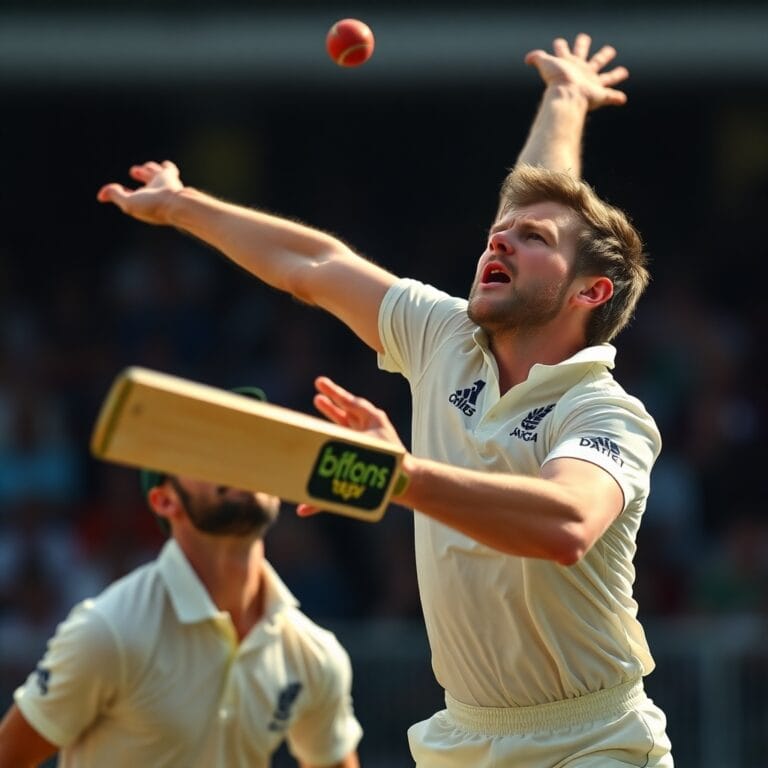
Former Indian opener Kris Srikkanth has put a teenage prodigy front‑and‑center as the potential saviour of Test cricket. The endorsement carries weight because the longest format is losing steam while the short‑burst thrill of franchise T20s dominates the headlines.
The Stats Behind the Strategy
| Metric | Vaibhav Suryavanshi (U‑19) | Average Test Debutant (Last 5 Years) |
|---|---|---|
| First‑class average | 48.2 | 35.4 |
| Strike rate (First‑class) | 71.5 | 60.8 |
| Boundaries per 100 balls (U‑19 T20) | 9.1 | 6.3 |
| Conversion rate 30+ to 50+ | 62% | 44% |
The numbers show a player who can combine aggression with the patience needed for longer innings. A first‑class average close to 50 at 18 years old suggests temperament, while a strike rate above 70 hints at the ability to keep the scoreboard moving.
When selectors look at the pipeline, they often target the sweet spot where a batsman can dominate at the top of the order without surrendering the grind. Suryavanshi’s figures line up with that ideal.
Match Context and Why It Matters
India’s Test calendar this year includes a three‑match series in England and a home bout against South Africa. Both venues demand a blend of technical proficiency and mental stamina. The red‑ball format has been starved of fresh faces after the retirements of Kohli, Rohit and Williamson, leaving a vacuum that fans and administrators feel keenly.
Srikkanth’s comments arrive at a time when the Board is under pressure to inject excitement into the longer game. A charismatic bat that can score quickly yet build long innings could change the viewing habits of a generation glued to TikTok highlights.
Tactical Analysis and Team Decisions
In the modern Test set‑up, openers are expected to blunt the new‑ball swing and lay a platform. Suryavanshi’s ability to hit the odd cover drive for a boundary while rotating the strike aligns with the strategy of a ‘positive first‑innings’. If he can survive the early 30 overs and then accelerate, the team gains a psychological edge.
Captains may also use him as a flexible No. 3, shifting him up if the pitch flattens out or dropping him down if early wickets fall. The dual nature of his game gives the management room to experiment without sacrificing stability.
Player Roles and Mindset
Vaibhav is not just a power‑hitter; his domestic innings have featured long stays at the crease, punctuated by patient defense. He describes his mindset as ‘look for the gaps but respect the line’. That balance is crucial in England where swing can turn a good start into a collapse.
His mental preparation includes visualising each session as a separate battle, a technique he picked up from watching senior players in the IPL bubble. That habit translates well to the five‑day grind, where each day is a mini‑test.
Venue‑Specific Expectations
Old Trafford’s brown pitch offers seam movement early, then eases into a batting‑friendly surface. Suryavanshi’s ability to play the ball late will be tested there. In Cape Town’s green‑top, his off‑spin proficiency gives him an edge, as the pitch tends to grind later in the match.
Linking player to ground is not new, yet his skill set fits the varied conditions of the upcoming series, making him a candidate for a permanent opening slot.
Tournament Impact and What Comes Next
Should he break through with a fifty on debut, the ripple effect could be immediate. Media outlets would spotlight his innings, creating a narrative that Test cricket can still produce heroes. A strong start may also push the selectors to fast‑track other young batsmen, refreshing the side’s composition.
Beyond the immediate series, the presence of a teenage star could entice broadcasters to schedule prime‑time slots for Tests, battling the T20 juggernaut for audience share.
Fan Perspective and Grounded Opinions
Fans on social platforms are already split. Some see the hype as a marketing ploy, fearing that a single player cannot revive a format that struggles with pacing. Others argue that cricket’s love affair with heroes is timeless; a fresh face could rekindle the romance of a five‑day battle.
From a ground‑level view, supporters love a player who can pull a cover drive with the same ease as a six. The excitement Srikkanth describes—turning on the TV just to watch a young batsman—mirrors the feelings fans had for the greats of the past.
In the end, the test will be whether Vaibhav can translate his current form into consistency at the highest level. If he does, the conversation will shift from “can he revive Test cricket?” to “how many more stars will follow.”