Patidar’s Six at Holkar: Power, Precision, and T20 Drama
Patidar’s Six at Holkar: Power, Precision, and T20 Drama
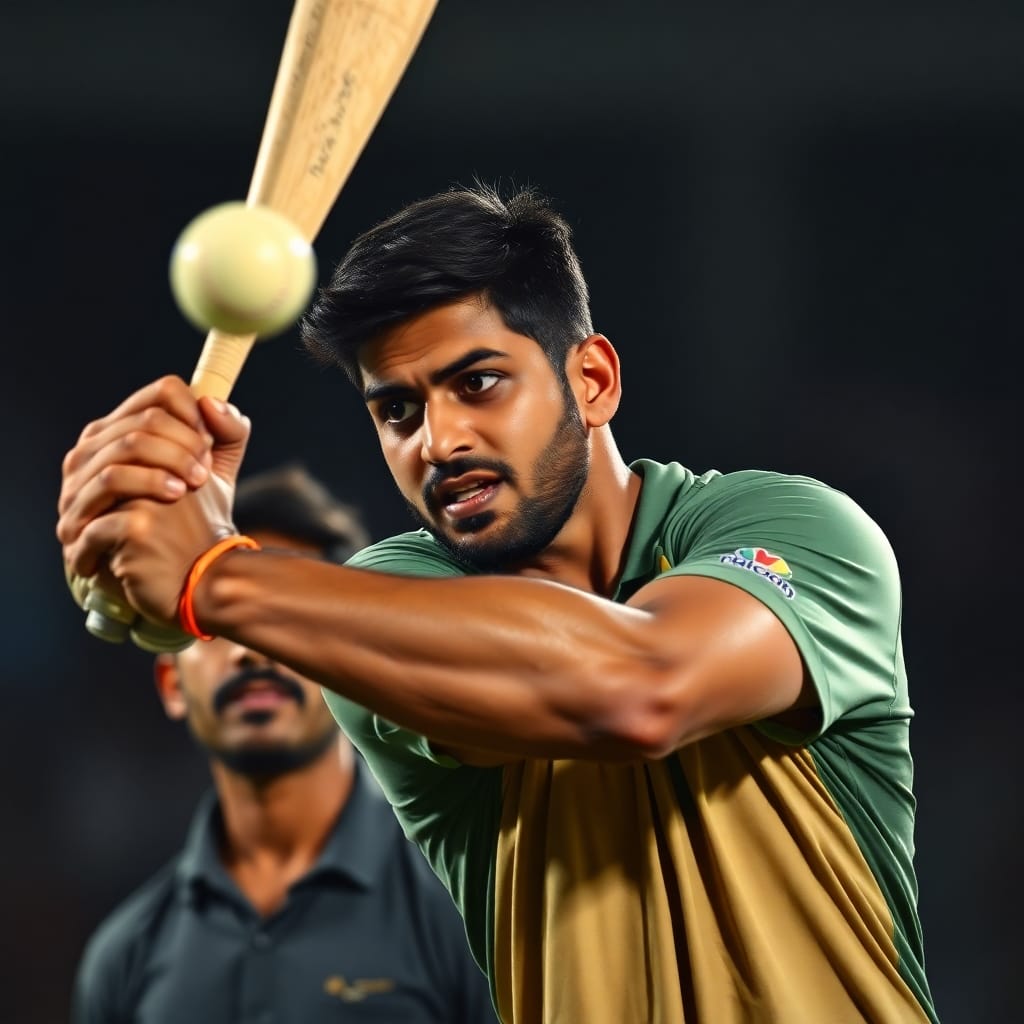
Rajat Patidar’s thunderous six that flew beyond the Holkar Stadium walls has become the talk of every cricket conversation this week. The blast not only underscored his raw power but also showcased how a single moment can reshape a high-pressure chase in a state-level T20 contest.
The Stats Behind the Strategy
| Player | Innings | Runs | Balls | SR | Boundaries |
|---|---|---|---|---|---|
| Rajat Patidar (Gwalior Cheetahs) | 1 | 45 | 23 | 195.7 | 5 fours, 2 sixes |
| Ankit Kushwaha (Rewa Jaguars) | 1 | 12 | 8 | 150.0 | 1 four, 0 sixes |
| Gwalior Cheetahs Total | 1 | 239/6 | 20 overs | 119.5 | 24 fours, 9 sixes |
The numbers tell a story of urgency. Patidar’s strike rate of close to 200 in a chase that demanded 12 runs per ball in the death overs meant the Cheetahs could keep pace with a 239 target. His 45 runs accounted for nearly 19% of the total, a vital contribution given the required run rate hovered above 12 after the 10th over.
Why the Decision to Accelerate at the 15th Over Made Sense
The Cheetahs entered the 15th over needing 84 runs from 36 balls. Traditional wisdom in T20 suggests a steady build-up before the final powerplay, but the pitch at Holkar Stadium had taken a bit of shine, offering extra bounce for full-length deliveries. Patidar, aware of his own comfort zone on such pitches, opted to force the issue.
Facing Kushwaha’s right-arm medium-pace, Patidar anticipated a ball on the back foot—a predictable line for a bowler trying to contain runs. By positioning himself slightly deeper than usual, he created a platform to generate maximum bat speed. The result was a lofted six that cleared the boundary and the stadium façade, a physical manifestation of intent.
Player + Venue Linkage
Holkar Stadium’s soil is a mix of red clays and compacted grass, producing a surface that favours back-foot power hitting when the dew settles in late innings. Patidar’s hometown of Gwalior often trains on similar hard-packed grounds, meaning his timing against a full-length ball is instinctive. In contrast, Kushwaha hails from the more grassy tracks of Jabalpur, where swing and seam dominate. That contrast became evident as Patidar’s flat-bat strike turned the ball into a projectile while Kushwaha’s subsequent dismissal showed the bowler’s need to vary length.
Mentality and Role in the Team
Patidar, now 32, has transitioned from a pure finisher to a captain who can dictate tempo. His decision to go after the big hit early in the death overs reflects a mindset that the chase cannot be a marathon; it must be a sprint when the scoreboard looms. The quick dismissal that followed was a reminder that aggression carries risk, yet the impact of his cameo kept the dressing room morale high.
Kushwaha, meanwhile, showed resilience. After conceding the massive six, he altered his line, bowled a short ball, and trapped Patidar on the very next delivery. The swift revenge illustrates how T20 bowlers must adapt instantly—switching from containment to attacking after a setback.
Tournament Impact and What Lies Ahead
The Gwalior Cheetahs now sit comfortably in the MPL points table, thanks largely to the momentum generated by Patidar’s strike. The win pushes them into the top-two bracket, giving them a clear path to the playoffs. For the Rewa Jaguars, the loss emphasizes the need to tighten death-over strategies, especially on venues that reward power hitting.
Patidar’s performance will also fuel debates about his omission from the national T20I squad. While selectors argue about team balance, the raw numbers from this match reinforce his claim for a place in the India side, especially as the board looks for a middle-order bat who can clear the fence when required.
Fan Perspective and Grounded Opinions
Social media erupted with clips of the six, sparking memes and a surge of nostalgia for the kind of power hitting that defines the modern T20 era. Fans in Indore praised Patidar’s calm under pressure, while some critics pointed out that a single knock shouldn’t mask the broader issues of batting depth in the Cheetahs lineup.
On the ground, the crowd’s roar turned to a collective gasp when the ball vanished over the stadium’s outer wall. That collective emotion is what makes T20 cricket such a spectacle—moments that blur the line between sport and theater.
Looking forward, the MPL will continue to be a breeding ground for talent. Patidar’s blend of IPL experience and state-level dominance sets a benchmark for young aspirants. Whether he translates this form into a permanent spot in the national side remains to be seen, but the six at Holkar will be replayed in highlight reels for months.
the six was more than a boundary; it was a statement of intent, a tactical pivot, and a reminder that in T20 cricket, the game can change with a single swing.