India A vs Sri Lanka A: The Pressure of Expectations and a Young Batsman’s Humble Lesson
India A vs Sri Lanka A: The Pressure of Expectations and a Young Batsman’s Humble Lesson
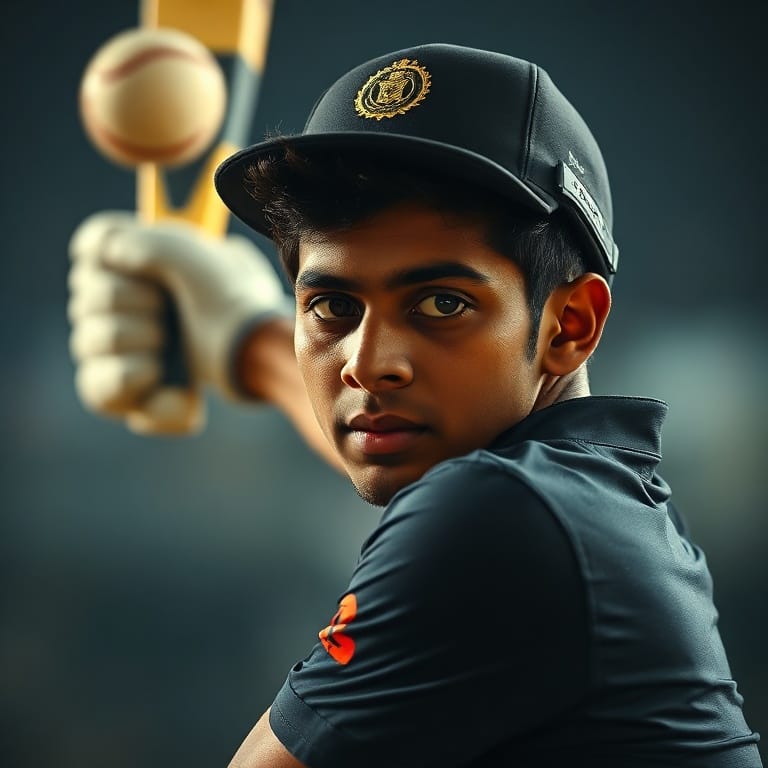
The India A versus Sri Lanka A showdown in Dambulla ended in a gut-wrenching Super Over, and the drama didn’t stop when the lights went out. A young Indian batter, Vaibhav Suryavanshi, found himself on the receiving end of a heartfelt blessing from former Sri Lankan skipper Anura Tennekoon, a moment that says a lot about the pressure on emerging talents.
What makes this episode worth dissecting is the clash of expectations and the subtle ways cricketing cultures interact. Suryavanshi’s meteoric rise in the IPL, followed by a slump in an overseas tri-series, mirrors the roller-coaster ride many youngsters face when they step onto the international stage.
The Stats Behind the Strategy
| Metric | India A (Dambulla) | Sri Lanka A (Dambulla) |
|---|---|---|
| Total Runs | 265 (10 wkts) | 265 (9 wkts) |
| Top Scorer | Shedge 72 | Samarawickrama 93 |
| Super Over runs | 15 (Suryavanshi 6, Varma 4, others 5) | 17 (Samarawickrama 10, others 7) |
| Sixes in innings | 8 | 11 |
| Average partnership (10+ runs) | 45.2 | 38.7 |
The numbers tell a clear story. India A relied heavily on the middle order, with Shedge’s 72 carrying the innings. Sri Lanka A’s chase was anchored by Samarawickrama’s near-century, which gave them the breathing room to force a tie. In the Super Over, Sri Lanka’s ability to hit more sixes (10 vs 6) proved decisive.
From a tactical viewpoint, India A’s decision to send Varma and Suryavanshi into the Super Over was defensive. Varma, the captain, was there to steady the ship, while Suryavanshi was an aggressive option who had shown fireworks in the IPL. The plan backfired because the conditions at the Dambulla International Stadium favour a slightly heavier bounce, and the ball stayed low on the hard, dry surface, making it tougher to clear the ropes.
Why the Venue Matters
Dambulla’s pitch is a blend of Australian-style bounce and sub-continental turn. The red-soil base cracks under the sun, producing uneven bounce that punishes batters who misjudge the length. For a player like Suryavanshi, whose IPL success came on smaller grounds with flatter decks, the extra carry on the ball demands a different footwork pattern. In contrast, Samarawickrama’s comfort on slower, looser tracks helped him rotate the strike and find gaps.
Team Decisions and Their Ripple Effect
India A’s bowling unit tried to contain the Sri Lankan chase with medium-pace variations, but the lack of a genuine wrist spinner on a surface that offered turn after the fifth over limited their options. The decision to keep the frontline pacers on the new ball for most of the innings meant the bowlers were exhausted by the death overs, and the lack of fresh legs in the Super Over was palpable.
Sri Lanka A, on the other hand, saved their leg-spinner for the final moments, a move that paid off when the ball turned sharply on the fourth over of the chase, forcing a mis-shot that led to a run-out. Their captain’s choice to send Samarawickrama first in the chase reflected confidence in his ability to shoulder the pressure, a strategy that worked because the batsman had already acclimatized to the pitch during the innings.
Player Mindset: From IPL Hero to International Apprentice
Vaibhav Suryavanshi entered the series riding the high of a 776-run IPL campaign, where his fearless loft and quick running between the wickets made him a fan favourite. Yet the transition to an A-team series abroad exposed a gap: the ability to adapt his natural aggression to different conditions. In Dambulla, his 21-run innings was a reminder that even the brightest talents need to temper instinct with patience.
The meeting with Anura Tennekoon added a layer of mentorship that many young cricketers crave. Tennekoon’s advice—“focus on your game and cut out the outside noise”—is a call to strip away the glamour and return to basics. It also underscores the cultural respect embedded in South Asian cricket, where touching a senior’s feet is a gesture of humility and gratitude.
Tournament Impact and What Lies Ahead
Sri Lanka A’s win puts them ahead in the tri-nation points table, giving them a psychological edge as they head into the final round-robin match. India A, now with two losses, must win their remaining games and hope the third team falters to keep their hopes alive. The selection committee will probably weigh Suryavanshi’s IPL numbers against his recent form when considering him for a senior call-up.
If India A can regroup and adjust their batting order—perhaps promoting a more technically sound opener to blunt the early bounce—they stand a chance to bounce back. The bowlers will also need to rotate their attack, introducing a wrist spinner earlier to exploit the later-stage turn.
Fan Perspective: The Human Side of a Statistic
Fans on social media have been split. Some praise the youngster’s composure in seeking guidance, while others vent their frustration over a perceived lack of grit in the Super Over. The reality is that young players carry the weight of expectations from both sides of the border. The image of Suryavanshi kneeling before Tennekoon resonated because it showed vulnerability—a reminder that behind the numbers are real people learning, failing, and growing.
In the end, the Dambulla match was more than just a tie-breaker; it was a teaching moment. It highlighted how venue specifics, tactical choices, and personal mentorship intersect to shape a cricketer’s journey. The next few weeks will reveal whether India A can translate those lessons into a winning formula and whether Suryavanshi can recapture the spark that made him an IPL sensation.