India A vs Sri Lanka A: The Tie-Breaker That Sparked Debate
India A vs Sri Lanka A: The Tie-Breaker That Sparked Debate
The India A versus Sri Lanka A tie‑breaker at Rangiri Dambulla turned a thrilling finish into a heated debate. A last‑ball no‑ball, deliberate delays and a teenage flashpoint made the match a case study in pressure cricket.
The Stats Behind the Strategy
| Team | Runs (50 overs) | Super Over Runs | No‑ball Calls | Delay (seconds) |
|---|---|---|---|---|
| India A | 265 | 10 (target) | 1 (controversial) | 12 |
| Sri Lanka A | 265 | 12 (won) | 0 | 18 |
The table shows the narrow margin that forced the super over and underlines how a single penalty extra run altered the equation. The 12‑second delay by Sri Lanka’s openers before taking guard gave India A a rare breather, yet the extra 2 runs in the showdown swung the result.
Match context and tactical choices
Both sides entered the final day with a points race that hinged on net‑run rate. India A, after a wobbling start of 143 for 7, stitched a 104‑run partnership between Suyansh Shedge and Vipraj Nigam. The partnership resembled a rescue act, but a ten‑run penalty for a fielding infraction forced the game onto a tie.
Tilak Varma, the India’s captain, chose an aggressive approach by urging the officials to allow a super over despite dusk. The decision was a gamble – opting for a short, high‑press scenario rather than a rain‑affected continuation. Sri Lanka A, aware of India’s reduced batting depth, slowed their entrance to the crease, a classic mind‑game tactic aimed at unsettling Varma’s bowlers.
Player roles and mindset
Arshad Khan’s final delivery was a waist‑high full toss that sparked the no‑ball call. For a bowler, a full toss at that stage is a calculated risk; the hope is to force a mis‑hit. The umpire’s signal, added a fresh layer of controversy, turning a simple delivery into a psychological trigger.
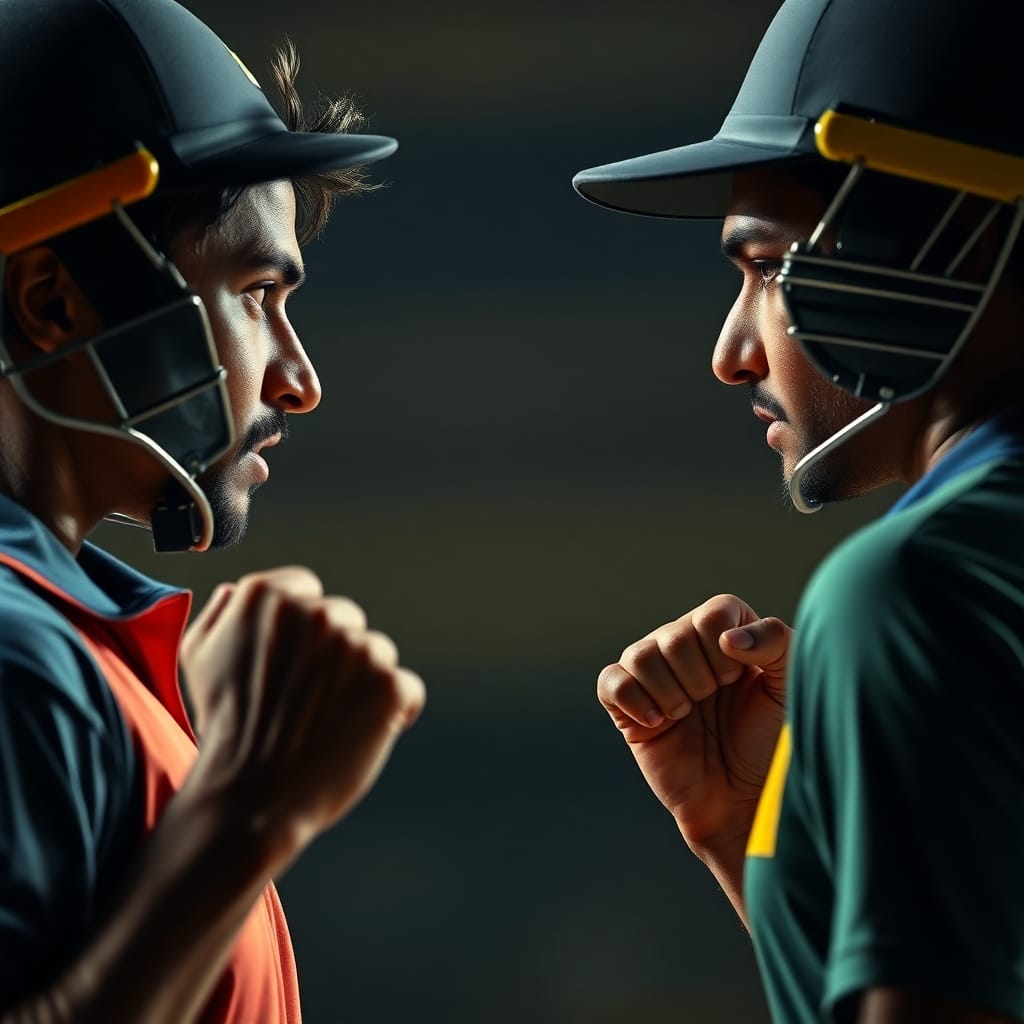
Vaibhav Suryavanshi, the 15‑year‑old prodigy, arrived on the scene with a reputation for composure. In the super over, he faced two balls, scored five runs, and walked off to a sea of celebrating Sri Lankan players. His visible frustration – a clenched jaw, a quick step toward an opponent – reflected the raw emotions that surface when a young mind confronts senior opposition in a high‑stakes environment.
Ravichandran Ashwin, observing from the sidelines, highlighted the thin line between gamesmanship and unsportsmanlike conduct. His comments on social media underscored his belief that a lower‑profile match lacks the multi‑camera angles that larger tournaments enjoy, making every decision appear larger than life.
Tournament impact and next steps
Sri Lanka A’s win propelled them to the top of the tri‑nation points table, giving them a cushion heading into the final round‑robin matches. India A now faces a must‑win scenario against the third team, with net‑run rate likely the decider.
The fallout from the super‑over controversy may prompt the board to revisit the guidelines for daylight‑ending ties. A clearer protocol could prevent future disputes over whether a super over is feasible under fading light.
Fan perspective and grounded opinions
Supporters on Twitter split between defending the teenage striker’s reaction and condemning the Sri Lankan delay tactics. A recurring sentiment was that the young Indian side “needed a breather” after a grueling chase, and the umpire’s no‑ball decision felt like a “late gift” to the opposition.
Many fans also praised the strategic brilliance of Sri Lanka’s delay, calling it “smart cricket” rather than “gamesmanship”. Others argued that such tactics erode the spirit of the game, especially in a developmental tournament where players are supposed to learn rather than manipulate.
What remains clear is that the episode will be remembered not just for the tie, but for the emotional flashpoint that followed. As the tournament moves forward, both camps will carry lessons about handling pressure, managing on‑field time, and staying composed when the stakes rise.