IPL 2026 Controversy: Arshdeep Singh vs. Tilak Varma Social Media Flare-Up Explained
IPL 2026 Controversy: Arshdeep Singh vs. Tilak Varma Social Media Flare-Up Explained
Punjab Kings opener Prabhsimran Singh finally opened up about the social media flare‑up that saw Arshdeep Singh jab at Mumbai Indians’ youngster Tilak Varma during the IPL 2026 clash in Dharamsala. The comments sparked a firestorm, and Prabhsimran’s perspective matters because it offers an insider’s view of team chemistry and how off‑field banter can shape on‑field decisions.
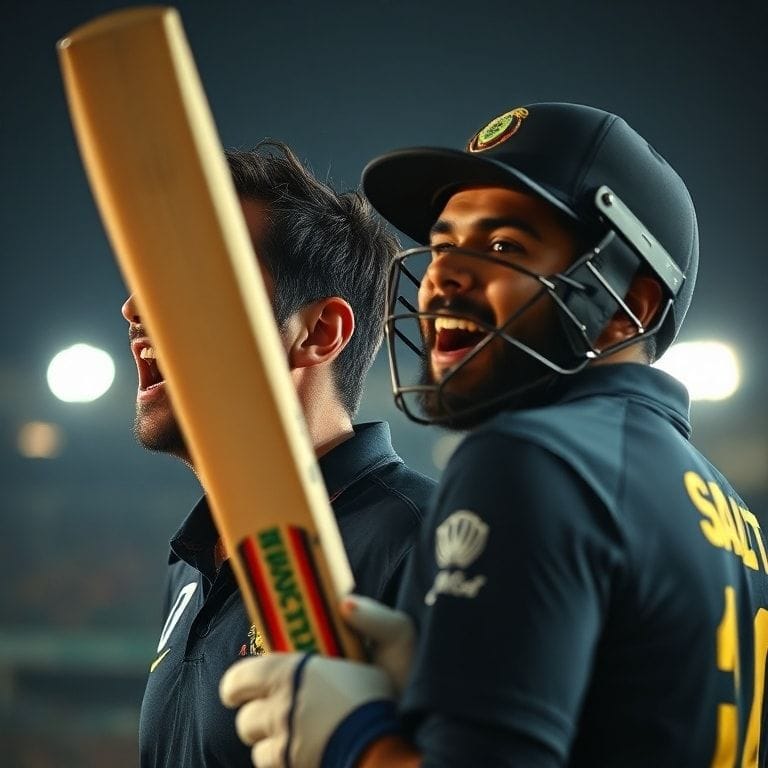
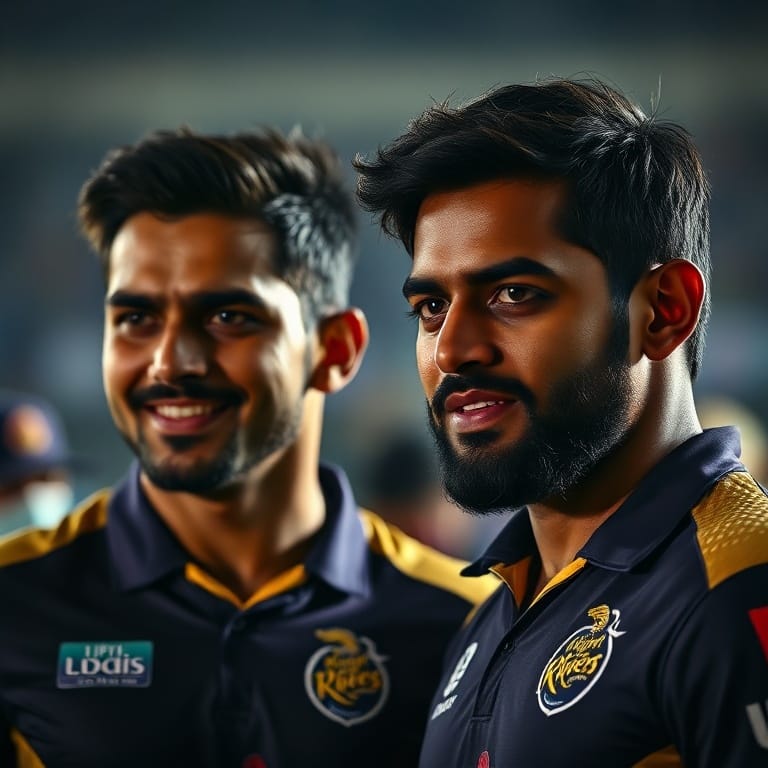
When the two teams met at the Himalayan venue, the drama unfolded before the first ball was even bowled. A short clip of Arshdeep calling Tilak “Andhere” and making a sunscreen joke went viral, prompting a wave of criticism from fans and former players alike. While many treated the exchange as harmless camaraderie, others argued it crossed the line of sportsmanship.
The Stats Behind the Strategy
| Player | Matches Played (2026 IPL) | Wickets / Runs | Economy / Strike Rate | Key Venue Performance |
|---|---|---|---|---|
| Arshdeep Singh | 12 | 18 / — | 7.2 / 15.4 | Dharamsala: 4/28 (8.0) |
| Tilak Varma | 13 | — / 412 | — / 138.0 | Dharamsala: 84 (SR 152) |
The numbers reveal why the banter mattered. Arshdeep’s best spell at the Himachal ground came in the very match that birthed the controversy, where he claimed four wickets for 28 runs. Tilak, on the other hand, turned the same pitch into a batting showcase, smashing a 84‑run cameo at a strike rate above 150. Their duel highlighted a classic clash of left‑arm swing versus a young left‑handed power hitter, a scenario that forced both captains to rethink field placements.
Team Tactics and Decision‑Making
Punjab Kings entered the game with a fear‑some new‑ball partnership. The coaching staff knew Arshdeep could swing the new ball both ways in the thin air of Dharamsala, so they handed him the first over. Mumbai responded by promoting Tilak up the order, hoping to exploit any early line and length errors with his aggressive intent.
When the banter erupted, the Punjab dressing room faced a subtle pressure test. The captain, Shikhar Dhawan, chose to keep Arshdeep on the field, trusting his bowler’s temperament. The decision paid off; Arshdeep’s third over produced a crucial wicket, breaking a 30‑run partnership. Mumbai, meanwhile, adjusted by rotating the strike and shielding Tilak from the new ball after his quick dismissal, a move that showed their ability to adapt on the fly.
Player and Pitch Dynamics
Both Arshdeep and Tilak have built reputations that suit particular surfaces. Arshdeep thrives on pitches that offer seam movement and a bit of swing – the cool, moist conditions at Dharamsala are practically his playground. The ball tends to stay low, allowing his left‑arm angle to cramp right‑handers.
Tilak, by contrast, has flourished on batting‑friendly decks like Mumbai’s Wankhede, where the bounce is true and the outfield is fast. Yet his adaptability shone at Dharamsala, where he used the slower turn to get underneath the ball, pulling it hard to the leg side. The contrast between his usual power‑hit style and the swing‑friendly nature of the venue made the encounter a tactical showcase.
Tournament Impact and What Lies Ahead
Punjab Kings slipped to the bottom half of the table after the loss, a setback that amplified the need for a stable middle order. The controversy, while distracting, also reminded the franchise that off‑field harmony can be as crucial as on‑field skill. Moving forward, they are likely to lean on senior players like KL Rahul to mentor the younger bowlers, ensuring the dressing‑room stays cohesive.
For Mumbai Indians, the win reinforced their depth. Tilak’s explosive cameo gave the team a morale boost that carried into the next two fixtures, where they clinched back‑to‑back victories. The episode also highlighted the importance of handling media storms; the MI management quickly released a video of Tilak walking from “darkness into light,” a symbolic gesture that resonated with fans and seemed to deflate the narrative.
Fan Viewpoint and Grounded Opinions
Supporters on social platforms split into two camps. One side defended the exchange as “locker‑room banter,” pointing out that Arshdeep and Tilak have shared the Indian dressing room for years, even winning the T20 World Cup together. The other camp argued that public jokes about a teammate’s skin tone, even in jest, set a bad example for younger fans.
From a fan’s standpoint, the incident underscores a broader conversation about how cricket personalities use their platforms. While humor can humanise players, it also risks alienating sections of the audience who look for respectful conduct. Prabhsimran’s comments, emphasizing the friendship between the two, may soothe some doubts, yet they also remind us that hindsight can paint a clearer picture than real‑time reactions.
Looking ahead, both Arshdeep and Tilak will reunite for India’s upcoming white‑ball series against Ireland and England. Their shared experience in the IPL drama could either forge a stronger bond or add an extra layer of pressure. For the Punjab Kings, the lesson may be to manage on‑field aggression without letting off‑field chatter spill into the performance arena. For Mumbai, the win validates their ability to turn controversy into motivation.
In the end, the episode is a reminder that cricket is as much about personalities as it is about runs and wickets. The story will likely be revisited whenever either player steps onto a new stage, and fans will continue to debate where the line between friendly ribbing and disrespect truly lies.