Rohit Sharma’s Short-Pitch Strategy: A Tactical Deep Dive Ahead of India’s ODI Series
Rohit Sharma’s Short-Pitch Strategy: A Tactical Deep Dive Ahead of India’s ODI Series
India’s three-match ODI series against Afghanistan is about more than a few runs on a scoreboard; it’s a litmus test for Rohit Sharma’s readiness for the 2027 World Cup in South Africa. Former all-rounder Irfan Pathan has singled out Rohit’s comfort with short-pitched deliveries as a key weapon, a point that fans and pundits are dissecting ahead of the opener’s next big challenge.
Why This Series Matters
The Afghan side, while still finding its footing in high-pressure white-ball cricket, can swing the ball sharply in the early overs. For India, the series offers a low-stakes platform to fine-tune the top order, especially Rohit’s approach to the first 30 balls. A solid start against a disciplined Afghan attack could cement his place as the linchpin of India’s 2027 World Cup plan.
Tactical Blueprint for the Opener
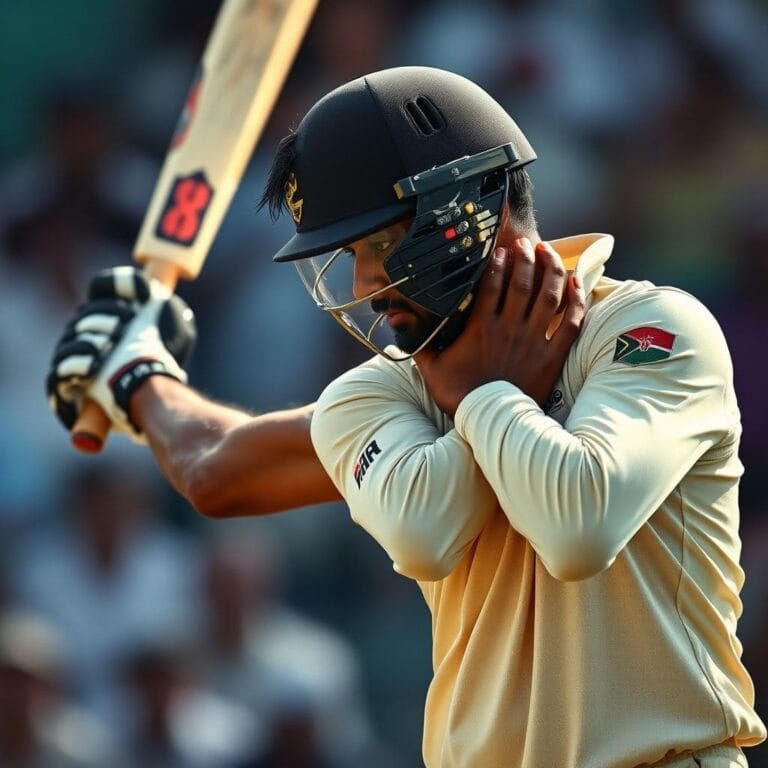
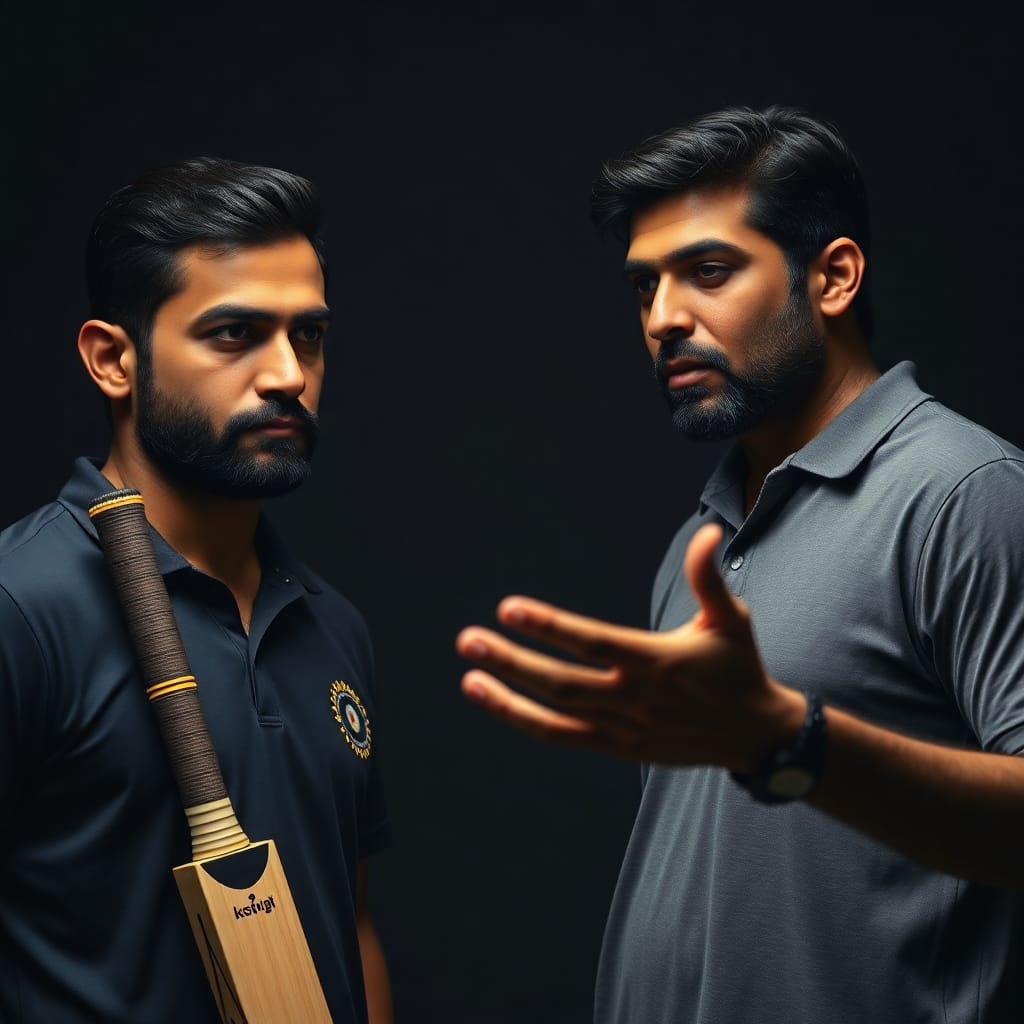
Rohit’s game plan in the upcoming matches appears to be a blend of aggression and prudence. He will likely meet the first few short balls with a half-arm pull or a well-timed cut, using his extra-cushioned bat to turn bounce into boundaries. When the bowlers settle into a good length, he can transition to the classic “late-hit” style that has served him well in the middle overs.
From a team-selection perspective, India has left the opening slot to Rohit while giving a chance to a younger partner at No 3. The back-up opener, known for his ability to rotate strike, will be tasked with shepherding the innings if Rohit decides to accelerate early. Meanwhile, the middle order – Virat Kohli, Shreyas Iyer and Ruturaj Gaikwad – will be on standby to either consolidate after a quick start or double-down on powerplay momentum.
Player Mindset and Role
Rohit walks out with the quiet confidence of a man who has faced the fiercest short balls on the sub-continental circuit and in England. Irfan’s comment about his timing and early positioning suggests Rohit has spent weeks in the nets working on his back-foot play. For the opener, the mental script is clear: dominate the early bounce, keep the scoreboard ticking, and leave the opposition searching for a foothold.
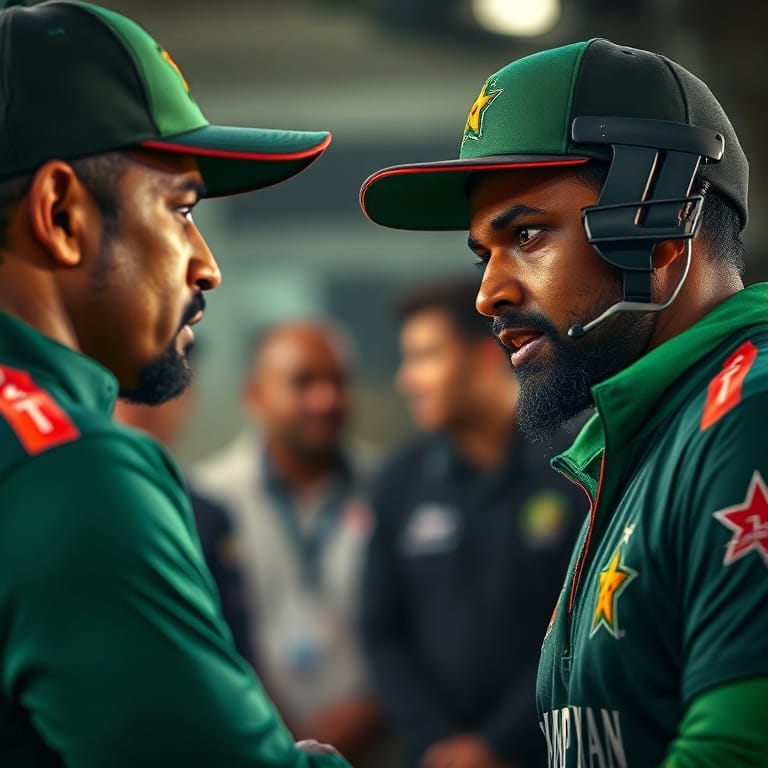
Afghanistan’s bowlers, on the other hand, will approach the powerplay with a mix of pace and swing. Their captain has hinted at using a “high-pace, short-ball” strategy to test Rohit’s composure. The Afghan side expects to earn early breakthroughs by forcing the Indian top order onto the back foot.
Connecting Players to Pitches
South Africa’s grounds, from the hard, bouncy Wally Page in Johannesburg to the slightly slower, grass-laden Newlands in Cape Town, reward players who can handle short-pitched deliveries. Rohit’s technique against short balls has historically shone at venues like the Gabba and Lord’s, where his timing allowed him to turn lift into runs. Translating that skill set to South African pitches could give India a strategic edge.
Afghanistan’s pace attack, while not as tall as a South African pacer, can still generate bounce on the hard, dry outfield at the Greater Noida Stadium – the venue for the first ODI. Their ability to vary length will be a crucial factor in determining whether Rohit can settle early or be forced into a defensive mode.
The Stats Behind the Strategy
| Venue | Rohit’s Avg (vs short balls) | Strike Rate | Boundaries % (of runs) |
|---|---|---|---|
| Johannesburg (WPC) | 56.4 | 98.2 | 45% |
| Cape Town (Newlands) | 51.2 | 95.0 | 42% |
| Delhi (Feroz Shah Kotla) | 48.7 | 88.3 | 38% |
The numbers indicate Rohit’s comfort level when the ball rises sharply. Both South African venues show a higher boundary conversion rate, suggesting his timing against short deliveries translates into big scores when the pitch rewards bounce.
Impact on the World Cup Campaign
A convincing series against Afghanistan would send a strong message to the selectors. If Rohit can chalk up a 120-plus knock in the second ODI, his case for opening the World Cup innings becomes nearly airtight. The series also offers an early glimpse of how the Indian top order might negotiate South African conditions – a scenario many coaches are already modelling.
Should the Afghan bowlers manage to dismantle Rohit early, the conversation may shift towards a younger opener for the 2027 tournament. That would open a debate on whether India should lean on a more aggressive, high-risk opening pair or stick with the experience-rich quartet that has delivered consistency over the past decade.
Fan Perspective
Across social media, supporters are split. Some fans argue that Rohit’s age is catching up, but many are buoyed by Pathan’s endorsement, noting that Rohit’s ability to punish short balls is a rarity among modern openers. The Indian fan base, notorious for its passion, will likely rally behind any innings that showcases Rohit’s trademark elegance mixed with raw power.
On the ground, the stadium atmosphere promises to be electric when Rohit steps onto the crease. The expectation isn’t just run-making; it’s the aura of a veteran who can dictate terms in a match that balances aggression with tactical nuance.
What Comes Next
After the Afghan series, the Indian team will regroup to fine-tune the opening partnership ahead of a South African tour that will double as a World Cup rehearsal. The coaching staff will dissect video footage of Rohit’s handling of short deliveries, adapting drills that mimic South African bounce. The next logical step is a high-profile warm-up series in Durban, where the conditions will be a litmus test for the strategies discussed here.
For Rohit, the goal is simple: make the short ball work for him, not against him. If he can do that, the Almighty Cricket Gods will likely reward him with another century in South Africa, and India’s World Cup aspirations will look brighter than ever.