The Auction Gamble: Balancing Talent and Performance in the IPL
The Auction Gamble: Balancing Talent and Performance in the IPL
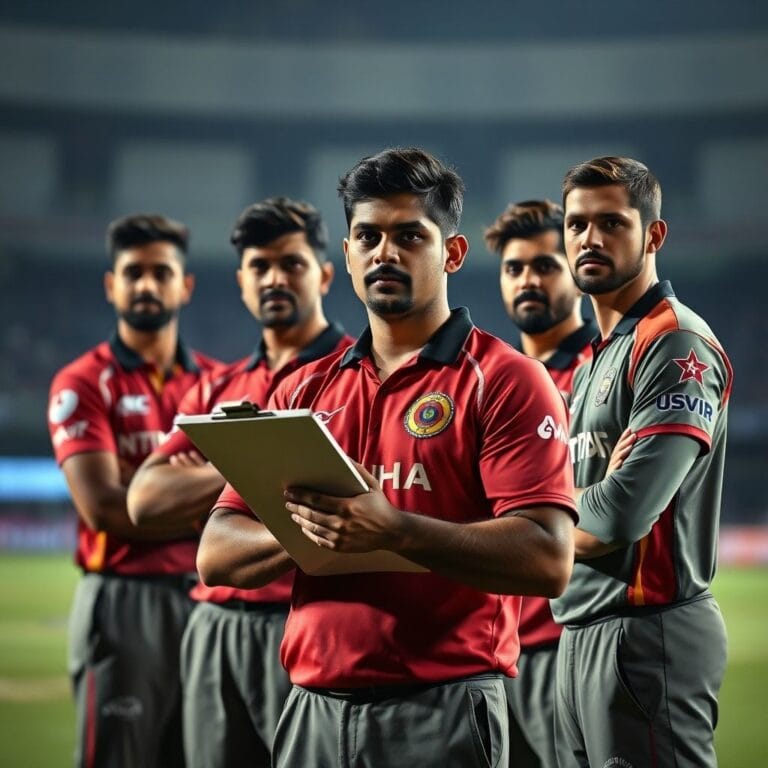
The IPL auction has once again sparked a debate about how franchises value raw talent versus proven performance. Sunil Gavaskar’s recent column in Sportstar highlights the financial toll of over-reliance on domestic T20 fireworks, and the discussion matters because it touches every corner of the league – from scouting rooms to the fans’ wallets.
Why the Auction Fever Matters
Each summer, teams line up with billions of rupees to snap up the next breakout star. When a high-priced player fails to translate his domestic dominance into IPL runs, the loss is felt not just in the balance sheet but in squad balance, morale, and the competitive narrative of the season. Gavaskar’s critique is a reminder that the auction is as much a strategic gamble as a showcase of talent.
The Stats Behind the Strategy
| Player | Domestic T20 Avg | IPL Avg (2022–2025) | Spend (Crores) |
|---|---|---|---|
| Prashant Veer | 48.2 | 19.6 | 12 |
| Mangesh Yadav | 44.7 | 22.1 | 10 |
| Rohit Sharma (2023) | 38.5 | 45.8 | 25 |
The table shows a clear pattern: players who dominate city leagues (Veer, Yadav) see their averages tumble when faced with international-level bowling. In contrast, a seasoned international like Rohit Sharma actually improves, underlining the value of experience in high-pressure environments.
Tactical Lessons from the Auction Room
Franchises need to ask three questions before splashing cash:
- Does the player have a documented record against pace and swing at the highest tier?
- Can his skill set be moulded for the specific venues the team will face?
- Is there a clear role for him beyond being a one-day wonder?
Take the Mumbai Indians’ decision to retain a left-handed power-hitter who grew up playing on the red-soil pitches of Chepauk. While those surfaces favour back-foot play, the Wankhede’s short boundaries demand a different approach. A player comfortable on Mumbai’s slow turn might struggle to clear the ropes against Punjab’s express seam attack.
Player Mindset and Venue Compatibility
Every T20 venue carries a personality. In Chennai, the pitch offers turn and bounce after five overs, rewarding wrist-spinners and batters who can rotate the strike. A youngster from the Karnataka Premier League who thrives on flat runs may find his timing off when the ball starts gripping the surface.
Similarly, the high-altitude stadium in Dharamshala produces a lighter ball, letting big hitters launch sixes with ease. Yet the same hitter may lack the technique to handle the slower, heavier ball at the Subrata Roy Sahara Stadium in Kolkata, where swing dominates the early overs.
How Teams Adjust Their Strategies
Post-auction, successful franchises conduct a two-phase assessment. Phase one involves simulation sessions where players face the exact bowler line-ups they’ll meet in the league. Phase two looks at psychological readiness – the ability to handle a crowd of 70,000 and live-stream scrutiny.
When a team spots a red-flag, they often shift the player into a utility role: a middle-order cameo specialist or a bowler-part-timer rather than a marquee batting anchor. This flexibility protects the investment while giving the player a realistic platform to adapt.
Impact on the Tournament and What’s Next
The ripple effect of mis-judged purchases shows up in the league table. Teams that over-invest in untested talent tend to rely heavily on a handful of stars, creating volatility. In 2025, the Lucknow Super Giants missed the playoffs after a trio of high-priced rookies failed to deliver, forcing a mid-season shake-up that left the squad scrambling.
Looking ahead to the 2026 auction, we can expect a shift toward data-driven scouting. Analytics firms are now modelling player performance against venue-specific metrics, while veteran scouts are emphasizing temperament over raw numbers. If franchises adopt a more holistic view, the league could see a tighter competition and fewer headline-grabbing busts.
Fans’ Perspective: The Human Side of the Numbers
Supporters watch these stories unfold on social media, cheering the underdog who bursts onto the scene and groaning when a big purchase flops. The emotional investment is real; a local hero making it to the big stage fuels pride, while a mis-fit purchase can feel like a betrayal of that community bond.
In the end, the IPL remains a celebration of cricketing flair and entrepreneurial risk. Gavaskar’s warning is not a call to curb excitement, but a reminder that the sport thrives when talent is matched with the right environment. When teams respect the nuances of each pitch, each player’s rhythm, and the temperamental swing of fortune, the league will continue to captivate millions.