RCB’s IPL 2026 Triumph: The Stats, Strategy, and Showdown Behind the Final
RCB’s IPL 2026 Triumph: The Stats, Strategy, and Showdown Behind the Final
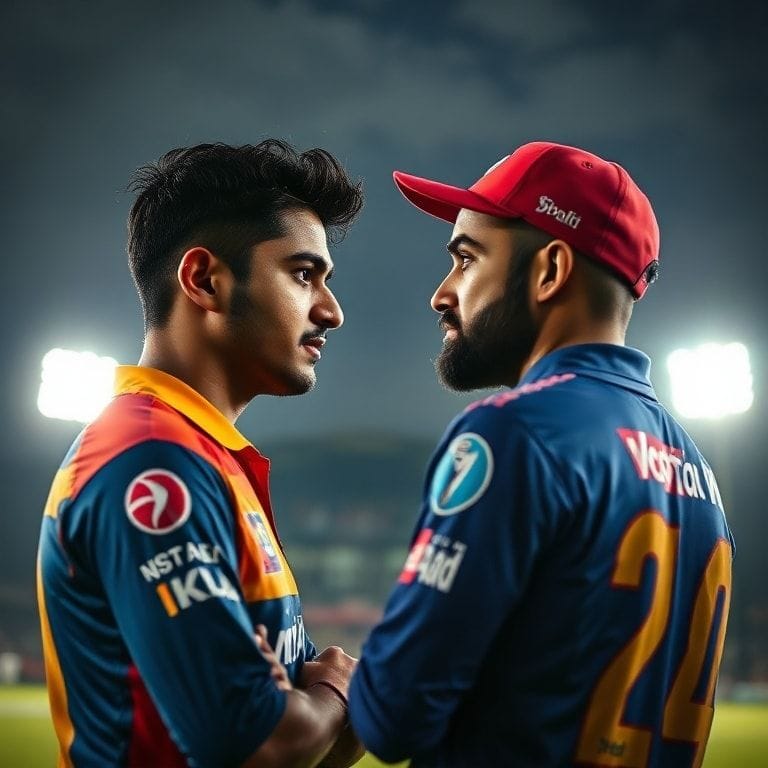
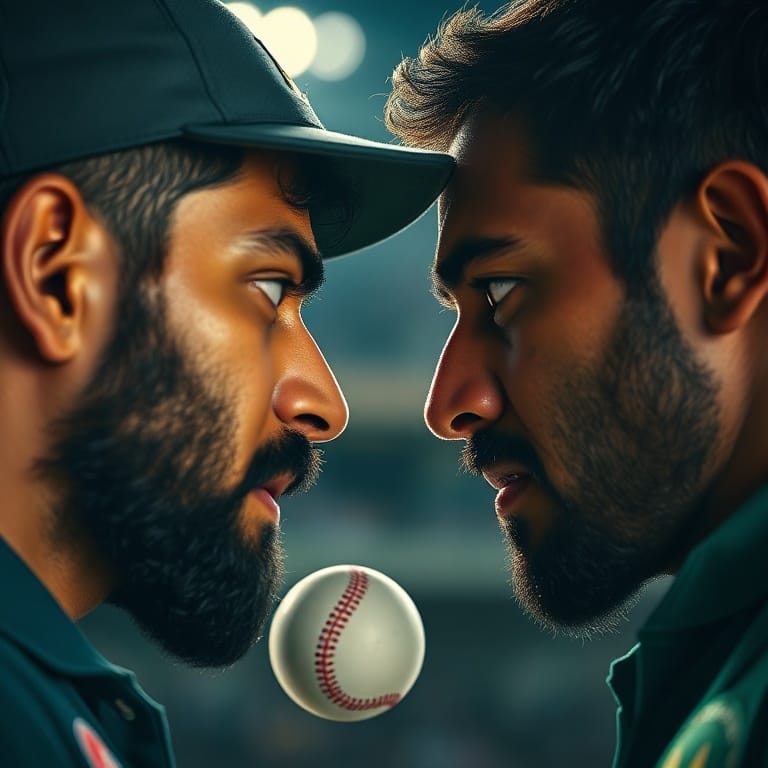
Royal Challengers Bengaluru lifted the IPL 2026 trophy after a hard‑fought final against Gujarat Titans. The match produced a memorable clash of personalities when Virat Kohli and Sai Sudharsan stepped into each other’s space, a moment that quickly lit up social media.
Beyond the drama, the final offered a masterclass in how a title‑defending side can balance aggression with composure. RCB’s tactical tweaks, the players’ mental framing, and the way the win reshapes the playoff picture make this game a case study for anyone who follows the sport.
The Stats Behind the Strategy
| Metric | RCB | GT |
|---|---|---|
| Required run rate (RRR) after 7 overs | 5.5 | 5.5 |
| Kohli strike rate | 178.5 | — |
| Boundaries per over (RCB) | 1.2 | 1.0 |
| Wickets lost | 2 | 5 |
| Powerplay runs (first 6 overs) | 68 | 55 |
The numbers show why the seventh over was a turning point. RCB had already scored 68 without losing a wicket, keeping the required rate comfortably low. Kohli’s strike rate of 178.5 after his half‑century meant the chase could be finished in under 20% of the innings, a luxury that allowed him to absorb any brief distraction.
Tactical Choices and On‑Field Decisions
RCB entered the final on the back of a season that blended aggressive top‑order power and disciplined death bowling. The decision to open with Iyer and de Kock gave them a solid platform; Iyer’s 37 off 28 set the tone while de Kock kept the scoreboard moving.
When the scoreboard read 108‑2 after 12 overs, the captain chose to hold back the first two power‑play overs for the death bowlers Sharath and Chahar. The plan was to let the middle order accelerate in the 41‑50 window, a range where GT’s bowlers historically struggled on the slow‑turning surface at Narendra Modi Stadium.
In the field, RCB shifted the slip cordon to a deeper position after the fifth wicket fell. The adjustment reflected the pitch’s low bounce, encouraging GT’s batsmen to stay low and hit on the leg side. The result was a series of lofted boundaries that pushed the required rate down further.
Player Roles, Mindset, and the Sudharsan‑Kohli Moment
Sai Sudharsan entered the chase at number four, tasked with rotating the strike while anchoring the middle overs. His aggressive approach against the spinners earlier in the innings suggested he felt comfortable with the conditions. When he reached the non‑striker’s end, an exchange of words with Kohli sparked curiosity. The brief confrontation was later described by team insiders as a “reset” – a reminder that every run mattered and that composure would be the final weapon.
Kohli, now 37, has often spoken about the mental edge required in finals. His response was simple: a masterful 75‑not‑out off 42 balls. The innings featured nine fours and three towering sixes, each a signal that any attempt to unsettle him only fed his rhythm. The way he managed the chase after the exchange – calm, eyes on the ball – underscores his veteran poise.
For RCB’s bowlers, the exchange also served as a cue. Sharath, operating at the death, delivered three overs for just 19 runs, using a mixture of yorkers and slower deliveries that exploited the pitch’s subtle seam. His execution showed how a single focused session can tilt a high‑pressure game.
Tournament Impact and What Lies Ahead
RCB’s triumph marks their second consecutive title, a rare feat that reshapes the IPL’s legacy narrative. The win grants them direct entry into next year’s Champions League T20, meaning they’ll face international competition early in the season. For GT, the loss is a painful reminder that even the most balanced side can falter when the opposition’s senior players lift the game.
The final also shines a light on emerging talent. Sudharsan’s 38 off 30 in the chase demonstrates that he can handle pressure, setting him up as a potential mainstay for GT next season. Meanwhile, the younger pacer Mohammed Siraj showed flashes of brilliance, suggesting he could be a cornerstone for India’s test side.
Fans, Feelings, and the After‑Match Buzz
The exchange between Kohli and Sudharsan became a meme within hours. Social platforms lit up with split‑screen videos, GIFs, and commentary that ranged from “old‑school leadership” to “beat the stress with a quick run‑out.” The conversation reflects how modern fans interact with the sport – not just through scores but through the human drama that unfolds on the field.
In the stands, the crowd’s reaction was a mix of nervous anticipation and eventual jubilation. When Kohli reached his half‑century, the stadium erupted, a collective acknowledgment that the veteran had once again taken charge when it mattered most.
Looking forward, RCB’s focus will be on retaining their core while giving younger players more responsibility. Their back‑up plan involves a more flexible batting order, allowing them to adapt if early wickets fall. GT, on the other hand, will likely revisit their middle‑order strategy, ensuring they have a clear plan for the final overs on such a flat surface.