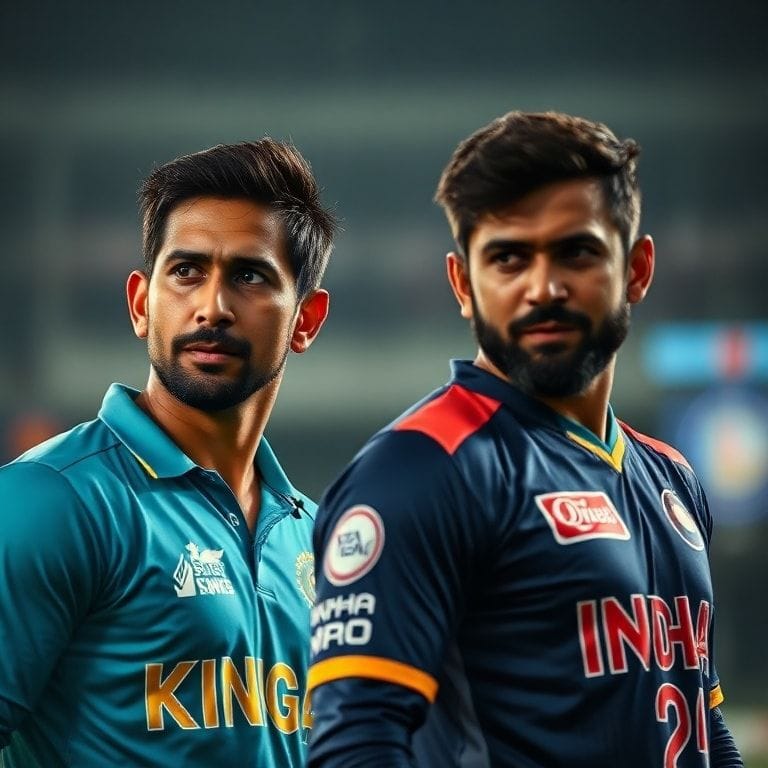
RCB’s IPL 2026 Triumph: Strategy, Stats, and a Star in the Making
RCB’s IPL 2026 Triumph: Strategy, Stats, and a Star in the Making
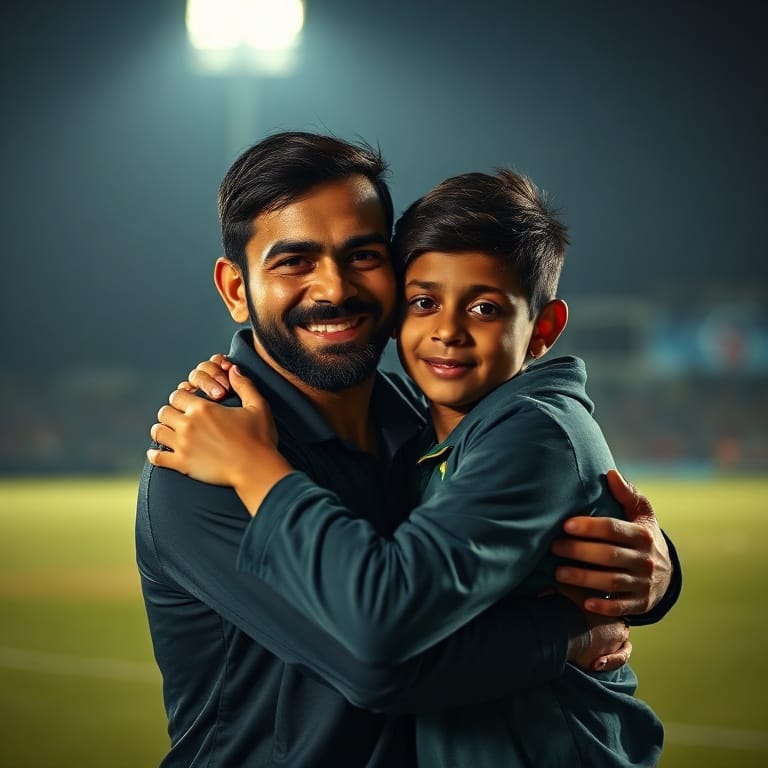
Royal Challengers Bengaluru lifted the IPL 2026 trophy in Ahmedabad, sealing a second‑title triumph with a five‑wicket win over Gujarat Titans. The final not only cemented RCB’s dominance but also delivered a touching moment when captain Virat Kohli embraced emerging star Vaibhav Suryavanshi, a gesture that resonated far beyond the boundary rope.
The Stats Behind the Strategy
| Metric | RCB Final 2026 | GT Final 2026 |
|---|---|---|
| Run chase | 176/5 (19.3 overs) | 174/9 (20 overs) |
| Top scorer | Faf du Plessis – 58 (SR 150) | Hardik Pandya – 61 (SR 138) |
| Key bowler wickets | Yuzvendra Chahal – 3/28 | Mohammed Shami – 2/32 |
| Boundary count | RCB – 84 | GT – 73 |
The numbers tell a story of a chase built on calculated aggression. RCB’s 84 boundaries compared with GT’s 73 illustrate a clear intent to overpower the middle overs, a plan backed by a deep batting line‑up and a spin duo that choked the opposition’s scoring rate.
Tactical Landscape and Team Decisions
RCB entered the final with a balanced eleven: three genuine power‑hitters, two spin specialists, and a seam attack that could swing on a night breeze. The decision to open with du Plessis and Ruturaj Gaikwad was a nod to stability; both had already shown the ability to rotate strike and accelerate when needed. When the required run‑rate nudged past 8 per over, the captain sent in the finisher, Shimron Hetmyer, who struck two quick boundaries and shifted momentum.
GT, on the other hand, stuck to a conventional chase plan: solid start, middle‑overs consolidation, and a late surge from Pandya. Their bowlers, especially the new‑ball pair of Shubman Gill (who bowled a surprise five‑over spell) and Shardul Thakur, managed to keep RCB’s openers in check for the first ten overs, but the lack of a true death‑over specialist left a gap that RCB exploited.
Player Roles, Mindset, and the Emerging Star
Virat Kohli, now a seasoned captain, approached the final with the calm of a veteran. He chose to bat at number five, giving himself the flexibility to either anchor the chase or accelerate, depending on the situation. When du Plessis fell, Kohli’s presence at the crease steadied the ship, allowing the lower order to attack without panic.
Vaibhav Suryavanshi, despite Rajasthan Royals missing the final, finished the tournament as the leading run‑scorer with 776 runs at a strike rate of 237.31. His left‑handed aggression on the slower, turning wickets of Gujarat’s home ground earned him the Orange Cap and an Emerging Player award. The post‑match hug with Kohli symbolised a passing of experience: a legend acknowledging a teenage prodigy who could soon shape India’s batting future.
Venue‑Specific Links: Pitch, Players, and Conditions
The Narendra Modi Stadium in Ahmedabad offers a hard, true surface with a short square leg fence, rewarding players who can target the mid‑wicket and long‑on zones. RCB’s power‑hitters, especially Shivam Dube, capitalised on the low‑bounce wicket, racking up six sixes between him and Hetmyer. In contrast, GT’s bowlers, accustomed to the slower turn of the Saurashtra ground, found the extra pace at Ahmedabad slightly uncomfortable, leading to a few mis‑fields.
For Suryavanshi, the Gujarat track at the Sardar Patel Stadium in Ahmedabad had historically aided his leg‑glance and sweep shots, a factor that helped him dominate the tournament’s middle overs. His ability to clean‑hit on the high‑velocity surfaces of Delhi and Mumbai later in the season showcased his adaptability across venues.
Tournament Impact and What Lies Ahead
RCB’s back‑to‑back titles solidify their status as a modern IPL powerhouse. The win also adds a strategic layer to the next season’s auction: teams will likely chase RCB’s successful blend of experience and youth, especially the masterful use of spin in the death overs.
For Gujarat Titans, the narrow loss forces a re‑evaluation of their death‑over plan. Adding a genuine finisher who can clear the boundary consistently may be a priority, as the current lineup struggled to keep up with RCB’s scoring burst in the final five overs.
Suryavanshi’s meteoric rise changes the talent market. At 15, he already commands attention from national selectors, and his performance has sparked debates about fast‑tracking teenagers into the senior Indian side. The upcoming Asia Cup could see him earn a spot, especially if the board wishes to inject fresh aggression into the middle order.
Fan Perspective and Grounded Opinions
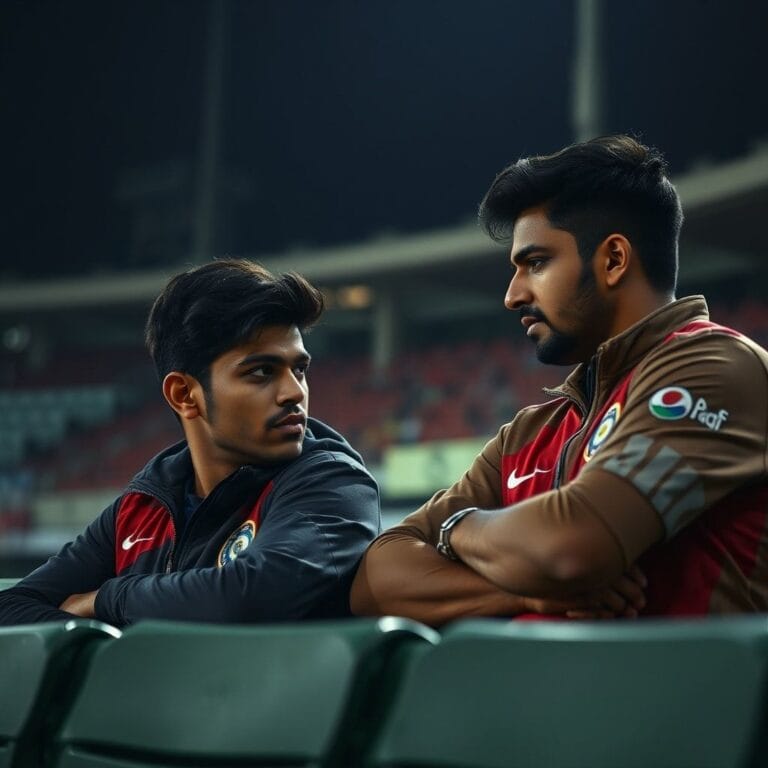
The social media buzz after the final was dominated by two images: the trophy lift and Kohli’s embrace with the teenage prodigy. Fans praised Kohli for his humility, noting that a captain who still takes the time to hug a youngster showcases a team culture that values mentorship.
Critics, pointed out that RCB’s reliance on big hitters could become a liability if a pitch slows down dramatically, as seen in the 2024 final in Chennai. The consensus among seasoned fans is that RCB must retain flexibility, perhaps integrating a technically sound opener who can build innings on slower tracks.
the IPL 2026 final reinforced the tournament’s narrative: a blend of seasoned veterans and fearless youngsters creates unforgettable moments, both on the scoreboard and off the field. As the cricketing calendar moves toward the World Cup qualifiers, the performances in Ahmedabad will echo in selectors’ eyes and fans’ memories for months to come.