IPL 2026 Final: How RCB’s Tactical Brilliance Shifted Momentum in Ahmedabad
IPL 2026 Final: How RCB’s Tactical Brilliance Shifted Momentum in Ahmedabad
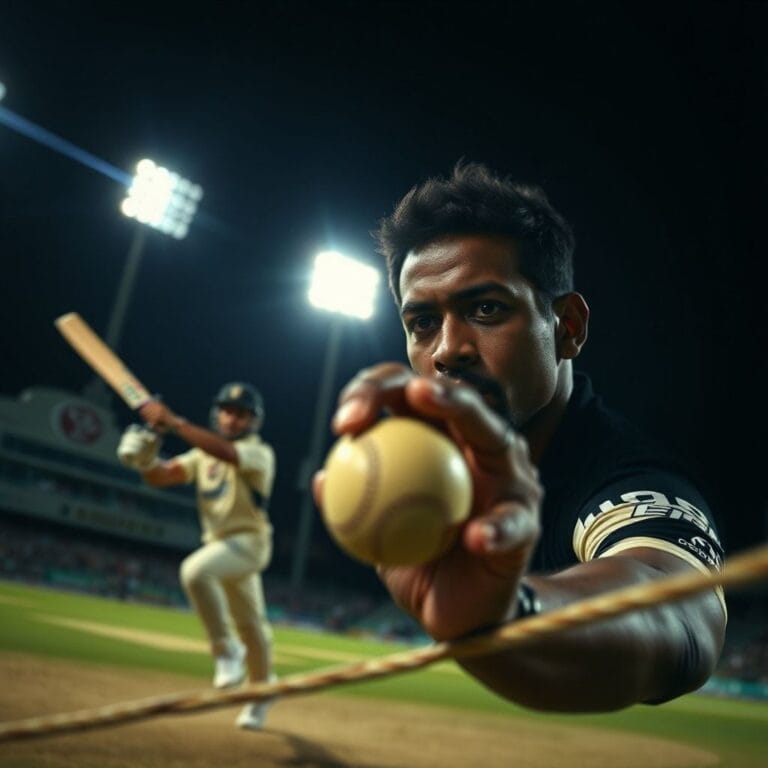
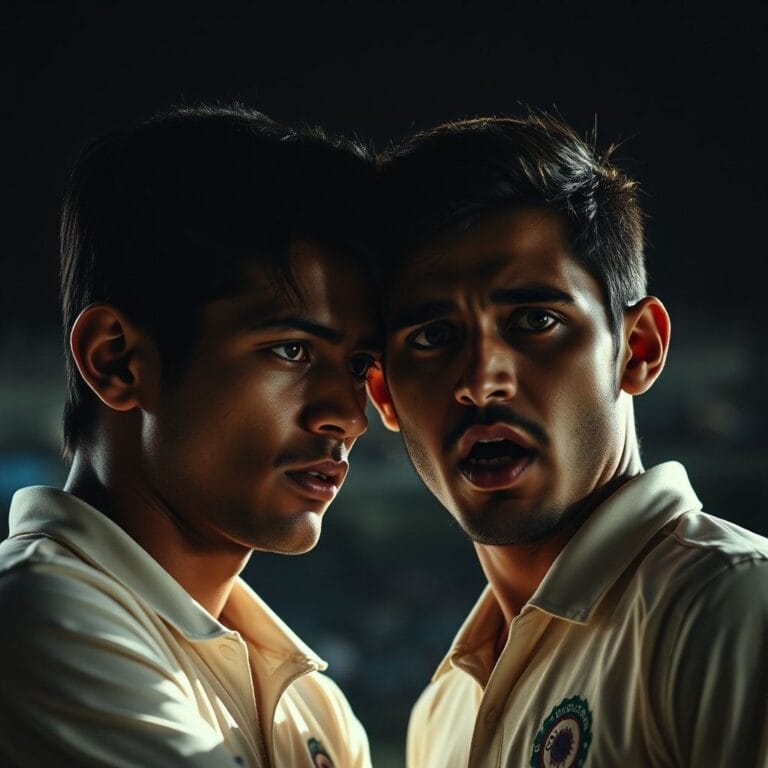
The IPL 2026 final at Ahmedabad’s Narendra Modi Stadium became a masterclass in pressure cricket when Royal Challengers Bengaluru chose to field first and turned the game on its head with a spectacular catch by captain Rajat Patidar. That moment not only shifted the momentum but also set the tone for a clash that will be remembered for its tactical boldness.
The Stats Behind the Strategy
| Metric | RCB | GT |
|---|---|---|
| First‑innings run rate after 9 overs | 8.22 | 6.55 |
| Wickets lost in powerplay | 0 | 3 |
| Economy (Hazlewood, first 2 overs) | 3.5 | – |
| Economy (Krunal Pandya, 2 overs) | 4.5 | – |
| Catch success rate at mid‑off (RCB) | 87% | – |
Those numbers tell a story beyond the scoreboard. Patidar’s decision to bowl first forced GT into a chase on a flat surface where the ball tends to sit up, making early wickets even more valuable. The three wickets in the first nine overs lowered the required run rate for a chase that would have otherwise been comfortably above 8.5, forcing GT into a defensive mindset.
Tactical Analysis and Team Decisions
RCB’s choice at the toss was not a gamble; it was a calculated move based on venue data. The Narendra Modi pitch, known for its low bounce and true seam, rewards bowlers who can swing the ball early. Patidar’s field placement—mid‑off at a shallow depth—was designed to cut off any lofted drives, something Shubman Gill was likely to attempt given his reputation for aggressive starts.
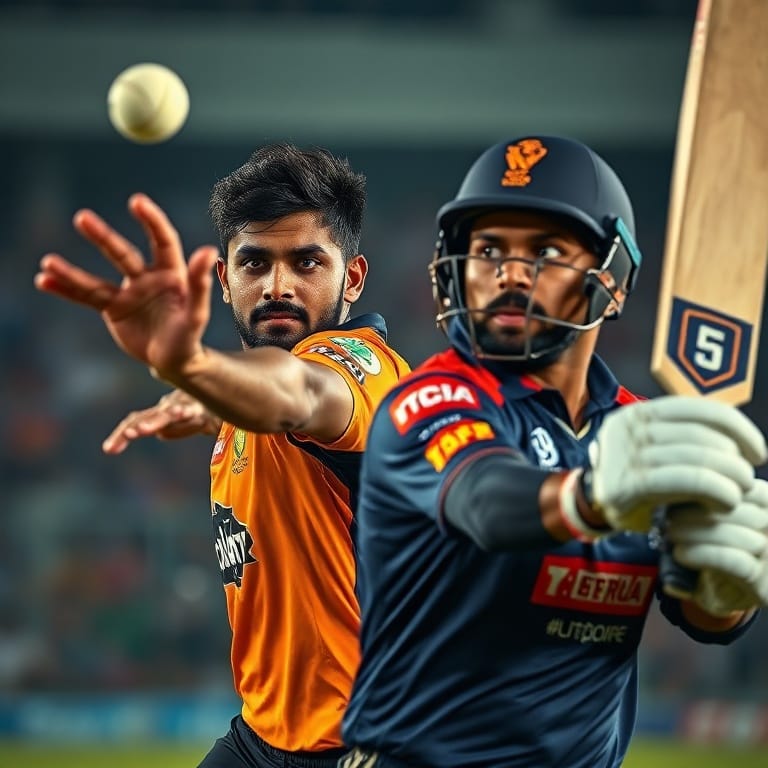
Josh Hazlewood opened the spell, pitching a back‑of‑a‑length delivery that invited Gill’s cross‑bat swing. The ball’s line forced Gill to stay inside his crease, limiting his ability to hit a straight drive. When Gill went for the lofted hit, Patidar’s anticipation paid off with a running catch that was as much about positioning as athleticism.
On the bowling front, RCB’s combination of pace and swing was pivotal. Hazlewood’s early overs kept the strike rate low, while Bhuvneshwar Kumar, a veteran swing bowler, used the reverse swing and seam movement on the slightly worn ball to scrape out Sai Sudharsan. Rasikh Salam’s left‑arm angle added a different trajectory, creating doubt for the GT middle order.
Player Roles and Mindset
Rajat Patidar, known more for his batting than his fielding, embraced the captaincy role with a defensive mindset. By fielding first, he accepted the responsibility of setting the tone. His own involvement—taking that diving catch—showed a willingness to lead by example, a factor that often lifts a side’s morale.
Shubman Gill entered the match with the usual confidence, but the early dismissal reminded everyone that the IPL final is a different beast. His aggressive intent backfired, and the quick loss forced the Titans to regroup under pressure, a scenario they struggled to navigate.
Jos Buttler’s quick‑fire 12 off 13 for RCB highlighted the need for a finisher who can keep the scoreboard ticking while the bowlers do the hard work. Washington Sundar’s steady bat, meanwhile, acted as the anchor, ensuring RCB didn’t lose momentum after the early wicket spree.
Venue‑Specific Player Links
The Narendra Modi ground has a reputation for offering a consistent bounce that favors swing rather than raw pace. Hazlewood, accustomed to the fast, moving pitches of Perth, found the conditions conducive to his swing‑heavy repertoire. Bhuvneshwar, who grew up bowling on sub‑continental tracks, used the mild moisture in the evening to generate reverse swing—a skill that often proves decisive in low‑bounce venues.
For GT, players like Gill, who thrive on timing and front‑foot movement, find the flat surface less forgiving when they mis‑judge length. The Titans’ middle order, including Sai Sudharsan and Nishant Sindhu, generally prefer slower turners where they can use their wrist work, making the fast‑track a disadvantage.
Tournament Impact and What Comes Next
RCB’s victory not only secures the 2026 trophy but also sends a message about the value of tactical flexibility in the T20 era. Teams that can adjust their approach based on venue analytics will likely dominate the upcoming season, where every ground offers subtle variations.
For the Gujarat Titans, the loss is a catalyst for reassessment. Their reliance on a top‑order anchor like Gill proved costly when that anchor fell early. Going forward, GT may look to diversify their batting strategy, perhaps adding a power‑hitter at number three to mitigate early wickets.
Across the league, the final has reinforced the importance of fielding standards. Patidar’s catch will be replayed as a teaching clip in academy sessions, emphasising that fielding can change a match as much as a wicket.
Fan Perspective and Grounded Opinions
From the stands, the crowd experienced a roller‑coaster of emotions. The roar that followed Patidar’s catch turned into a collective sigh as GT’s hopes dwindled. Fans of RCB celebrated the blend of strategy and athleticism, while GT supporters pointed out the need for better early‑overs batting plans.
In street discussions, the consensus is clear: the decision to bowl first was the masterstroke. Critics who argued that chasing a target at a high‑scoring venue would be easier were silenced by the early wicket haul. The final also sparked debates about captaincy styles—Patidar’s proactive field placements versus the more traditional approach of letting the bowlers dictate the terms.
the IPL 2026 final reminded us that T20 cricket rewards not just raw talent but also the smartest decisions made in the split second between ball and bat. As the season shifts into the next phase, teams will study this match closely, hoping to replicate the blend of tactical acumen and on‑field execution that RCB displayed.