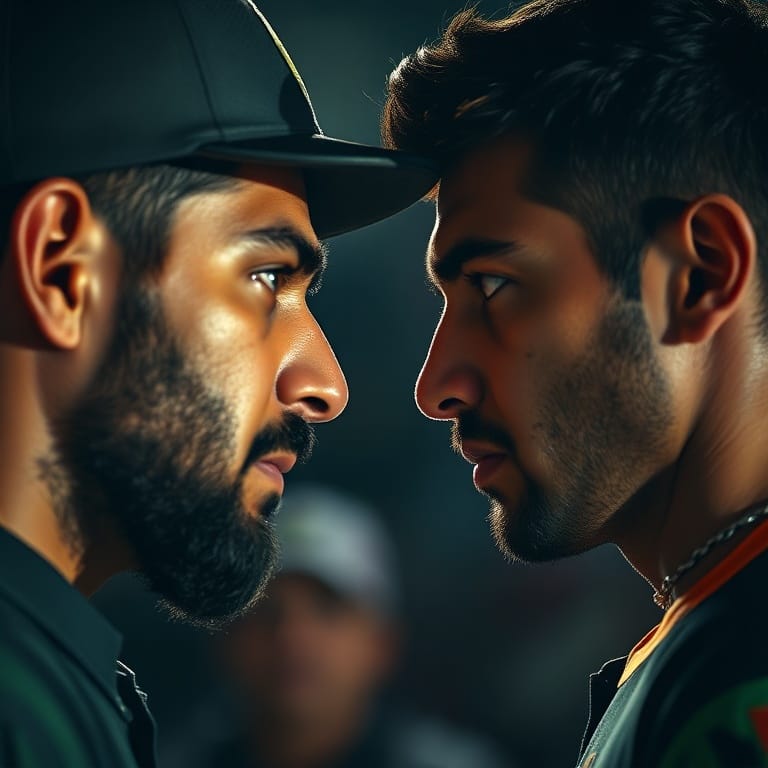
RCB vs GT IPL Final 2026: Tactical Breakdown and Statistical Showdown
RCB vs GT IPL Final 2026: Tactical Breakdown and Statistical Showdown
Royal Challengers Bengaluru and Gujarat Titans are set to clash in the IPL 2026 final at the Narendra Modi Stadium. The result will decide which side lifts the trophy after a season where both teams have shown relentless consistency.
The Ahmedabad venue has turned into a nuanced battleground. Early tournament matches celebrated fireworks, but the pitch now offers a blend of bounce and turn, making the decision at the toss crucial. Teams that can adapt their game plan to a slowing surface and a looming dew factor will hold the edge.
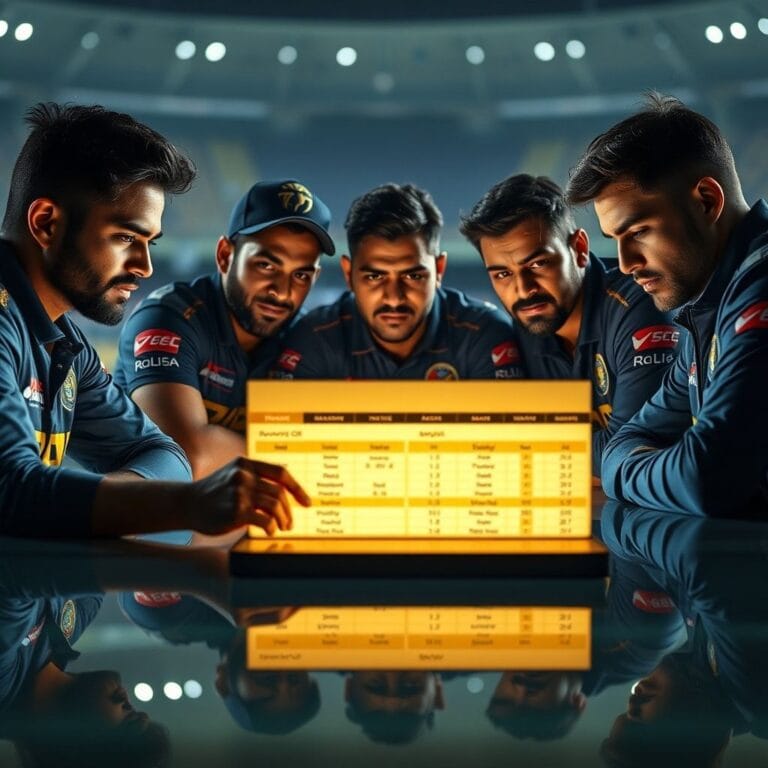
The Stats Behind the Strategy
| Metric | RCB (Qualifier 1) | GT (Qualifier 2) |
|---|---|---|
| First‑innings total | 254/5 | 215/6 |
| Run rate (runs per over) | 8.13 | 7.50 |
| Top scorer | Rajat Patidar 93* | Shubman Gill 104 |
| Best bowler (economy) | Bhuvneshwar Kumar 5.2 | Rashid Khan 5.8 |
| Average wickets per match (season) | 2.8 | 2.5 |
RCB’s massive 254 in the qualifier demonstrated their ability to dominate a flat track. The partnership between Patidar and Kohli broke the 200‑run barrier with ease, showing that the top order can accelerate even when the ball loses its shine. The bowlers then exploited the slowing surface, with Bhuvneshwar’s disciplined line and Hazlewood’s late swing dismantling GT for 162.
GT’s chase against Rajasthan highlighted their depth. Gill’s century was underpinned by a measured approach, building the innings while the pitch started to grip. Sudharsan’s half‑century added momentum, and their death bowlers—Rashid, Rabada, Siraj—proved capable of defending mid‑range totals.
Key tactical questions emerge for the final:
- Will RCB elect to bowl first, trusting the damp evening to aid their seamers and spinners?
- Can GT replicate the aggressive start they showed in the qualifier when faced with a deep‑square boundary that favours aerial shots?
- How will the captains manage the bowlers’ workloads, especially with the pitch expected to slow after 30 overs?
The toss will likely swing the game. Historically, sides chasing at Ahmedabad have found the ball comes onto the bat a touch smoother under lights, while spinners become more treacherous as the dew sets in. RCB’s arsenal—Bhuvneshwar, Hazlewood, and the young left‑arm Suyash Sharma—offers a mix of swing, seam, and turn that can exploit early movement and later‑innings friction.
GT’s bowling unit, with Rashid’s wrist spin and Rabada’s pace, is adept at containing runs in the powerplay and breaking partnerships later. Their decision to bowl first could force RCB into a chase that tests their depth, especially if the pitch starts to sit low and the boundary distances become a deterrent for big hits.
Player mindsets also matter. Patidar, riding the high of a 93‑ball blitz, will look to anchor the innings again, but he knows the odds shift when the ball is wet. Kohli, ever the chameleon, may adopt a calculated aggression, rotating the strike while targeting bowlers who lose pace on a damp surface.
Gill, on the other hand, thrives when the pressure is palpable. His century in the qualifier came after a loss against RCB, proving his mental resilience. He is likely to anchor the chase, with Buttler providing the flamboyance in the death overs. The presence of Rashid Khan adds a psychological sting; batsmen hesitate to play across him, and his variations become more effective as the pitch loses its bounce.
From a tournament perspective, a win for RCB would cement their reputation as a side that can convert big totals into titles, matching the league’s historic champions who dominated both batting and bowling departments. For GT, the title would be a redemption story—avenging their 92‑run drubbing in Qualifier 1 and proving they can adapt under pressure.
The next steps after the final matter too. The champion will head into the upcoming international calendar with momentum, influencing national selections. A strong performance by younger talents like Patidar or Sudharsan could accelerate their India caps, while veterans like Kohli and Rashid will reinforce their positions as key contributors in limited‑overs squads.
Fans across the country are already split. RCB’s loyalists, known for their passionate chants, are counting on the ‘big‑hit’ brand that has defined the franchise. GT’s supporters, many from Gujarat, see this as a chance to celebrate their home state on a global stage. The buzz on social media reflects a blend of optimism and anxiety—some predict a high‑scoring thriller, others expect a low‑run, bowler‑dominant finish. The collective mood is palpable: the nation is ready for a finale that delivers drama, skill, and a story that will linger beyond the fireworks.