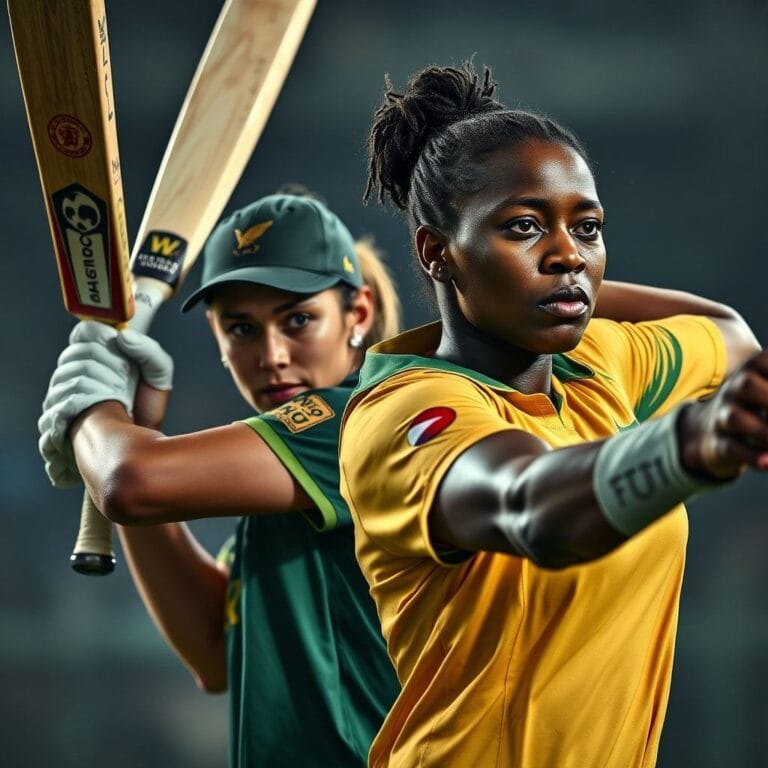
India’s Women Dominate England in Chelmsford T20I Opener
India’s Women Dominate England in Chelmsford T20I Opener
India’s women’s side opened their England tour with a dominant 38‑run win in Chelmsford, a match that highlighted Jemimah Rodrigues’s ability to turn a shaky start into a match‑winning explosion. The result not only gave the visitors a 1‑0 lead but also set the tone for a series where momentum will be everything.
Match context and early drama
Choosing to bat first on a traditionally seam‑friendly Chelmsford pitch, India hoped its top order would negotiate the early swing of England’s new‑ball duo. Lauren Bell knocked the lid off the opening partnership, sending skipper Smriti Mandhana back for a duck and Shafali Verma out for two. At 7/2, the home crowd sensed a quick collapse.
Instead of folding, Yastika Bhatia and Jemimak Rodrigues steadied the ship. Bhatia seized the powerplay, rattling the bowlers with a 54 off 40, while Rodrigues accelerated once the run rate crept above nine per over. Their 126‑run stand anchored India to 188/7, a total that felt intimidating on a surface that usually rewards disciplined bowling.
Tactical analysis and team decisions
India’s innings plan was simple: survive the opening overs, then let the middle order attack. The decision to keep both openers deep inside the crease paid off, as they absorbed the initial swing and left the ball loose for the third‑down batsmen. Bhatia’s boundary‑heavy approach during the first six overs forced England to roll their change bowlers early, breaking their rhythm.
- Rodrigues timed her aggressive shots for the middle overs, using the slower ball and cutters to manipulate the field and keep the scoreboard ticking.
- Deepti Sharma’s cameo of 22 off 13 added a late‑innings surge, exploiting the death‑over field placements.
When the ball came back into England’s hands, their bowling strategy shifted to containment. Kranti Gaud’s early breakthroughs (2/0) gave India an edge, while Nandani Sharma’s three wickets in the death overs snuffed out any late surge.
The Stats Behind the Strategy
| Player | Runs | Balls | Strike Rate | Key Contribution |
|---|---|---|---|---|
| Jemimah Rodrigues | 69 | 40 | 172.5 | 12 fours, 1 six; anchored middle overs |
| Yastika Bhatia | 54 | 40 | 135.0 | 9 fours, 1 six; set platform in Powerplay |
| Deepti Sharma | 22 | 13 | 169.2 | Quick death‑over push |
| Lauren Bell (ENG) | 0 | 5 | 0 | 3/34; early wickets |
| Nandani Sharma (IND) | 0 | 24 | 0 | 3/34; death‑overs top‑order |
Player roles, mindsets and venue link
Chelmsford’s outfield is known for a slight seam and a tendency to hold onto a bit of moisture after night rain. Batsmen who can play late across the line thrive here. Rodrigues, with her textbook straight‑drive and ability to hit through the covers, used the extra bounce to her advantage, especially on the fourth and fifth overs when the ball rose a fraction.
Yastika Bhatia, a left‑hander, has a knack for finding gaps on slower tracks. The pitch’s low‑pace sections in the powerplay suited her looping drives, allowing her to accumulate boundaries without taking excessive risks.
On the bowling side, India’s seamers targeted the seam movement that Chelmsford offers. Gaud’s short, sharp deliveries dug into the turf, while Sharma’s variations in the death overs exploited the limited bounce, forcing English batters into a scramble.
Impact on the series and what lies ahead
The win places India ahead in the three‑match series, giving them a psychological edge. England now needs to recalibrate their batting order, perhaps promoting a more aggressive top‑order player to counter the middle‑order firepower India displayed.
Looking forward, the second T20 in Durham will feature a faster, greener pitch. If India’s bowlers can replicate the tight lines shown at Chelmsford, they could restrict England to chase 150‑plus again. Conversely, England will likely rely on Amy Jones to anchor and set a platform for a late‑overs assault.
Fan perspective and grounded opinions
Supporters in the pavilion cheered every boundary, but the collective sigh after the early wickets showed the thin line between confidence and panic. Social media buzz praised Rodrigues’s calm under pressure, calling her the “new face of Indian women’s cricket”. Meanwhile, critics pointed out India’s over‑reliance on the middle order, warning that a early‑wicket collapse could swing any future game.
In the end, the match was a showcase of adaptability. India’s ability to absorb an early shock and then unleash a calculated assault proves why the team is a serious contender in the global T20 landscape.