New Zealand’s Resilience on Display in Belfast Test
New Zealand’s Resilience on Display in Belfast Test
The one‑off Test between Ireland and New Zealand in Belfast delivered a mix of record‑making and gritty recovery that will shape how both sides are viewed in the longer format. A historic milestone for veteran duo Kane Williamson and Tom Latham sat alongside a jaw‑dropping partnership that rescued New Zealand from early trouble.
Match context and early drama
Stormont’s Civil Service Cricket Club, with its lush outfield and a pitch that tends to offer a bit of seam under overcast skies, set the stage for a classic showdown. Ireland won the toss and chose to bowl, trusting the early moisture to help their seamers. Mark Adair struck the first blow, sending Latham back for a first‑ball duck. The opening burst continued as Devon Conway fell for four, and a quick lbw to Liam McCarthy left Williamson on 36.
At 86 for 4, the Black Caps seemed poised for a collapse. The decision to keep the pace attack short‑run and focus on containment paid dividends when young all‑rounder Rachin Ravindra and keeper‑batter Tom Blundell steadied the ship. Their 217‑run partnership not only erased the early deficit but also turned the match into a statement of resilience.
Why the record matters
By stepping onto Irish soil, Williamson and Latham became the first pair to play Test cricket in twelve distinct nations. Their itinerant career map covers the sub‑continent’s turning tracks, the fast bounce of Australia, the low‑scoring pitches of South Africa, and now the green‑turf of Belfast. The achievement underscores a rare blend of longevity and adaptability, qualities that have kept New Zealand competitive across eras and conditions.
Tactical analysis and team decisions
Ireland’s opening plan hinged on early swing. The decision to bowl first under dim clouds was logical; the ball moved off the seam, rewarding skilled line‑and‑length bowlers. Adair’s use of a short, sharp delivery to Latham exploited the lack of footwork from the New Zealand opener, while his second wicket came from a disciplined outswinger that trapped Conway just outside off.
When the Black Caps found themselves 86 for 4, captain Tim Southee (who did not bowl much on Day 1) opted to bring on his spin option, Mitchell Santner, early. The spinner’s flight and subtle turn suited the slowing surface, allowing Ravindra to rotate the strike without risking a rash boundary. Blundell, aware of the pitch’s tendency to grip later, played with a measured approach, keeping the scoreboard ticking while leaving room for aggressive strokes when the ball softened.
New Zealand’s bowling regrouped for Day 2 with a clear plan: use the new ball to attack the lower order, then let the medium pacers settle into a containing role as the pitch dried out. This flexibility mirrors a strategy often seen in sub‑continental Tests, where a blend of aggression and patience is required.
The Stats Behind the Strategy
| Player | Runs (Day 1) | Balls | Strike Rate | Partnership |
|---|---|---|---|---|
| Rachin Ravindra | 121 | 194 | 62.4 | 217 (5th wicket) |
| Tom Blundell | 142* | 233 | 60.9 | |
| Kane Williamson | 36 | 68 | 52.9 | – |
| Tom Latham | 0 | 2 | 0.0 | – |
| Mark Adair (Ire) | – | – | – | 3/66 |
Ravindra’s 121 came off 14 fours and four sixes, showing an ability to blend defense with selective aggression on a pitch that started green but softened by lunch. Blundell’s unbeaten 142, built on 18 fours, displayed patience; he waited for the ball to lose its shine before pulling the short ball to the boundary.
Player roles and mindset
Ravindra entered the innings aware that New Zealand needed a platform. His mindset was to absorb the early pressure and then accelerate once the ball settled. The flow of his innings, moving from cautious singles to boundary‑laden strokes, reflected a clear plan: survive the new ball, then dominate the middle overs.
Blundell, often labeled as a ‘steady keeper‑batter’, embraced a hybrid role. He opened as a finisher but shifted into an anchor as the partnership built. His calm demeanor, evident in the way he left the ball well outside off, gave the innings a measured rhythm.
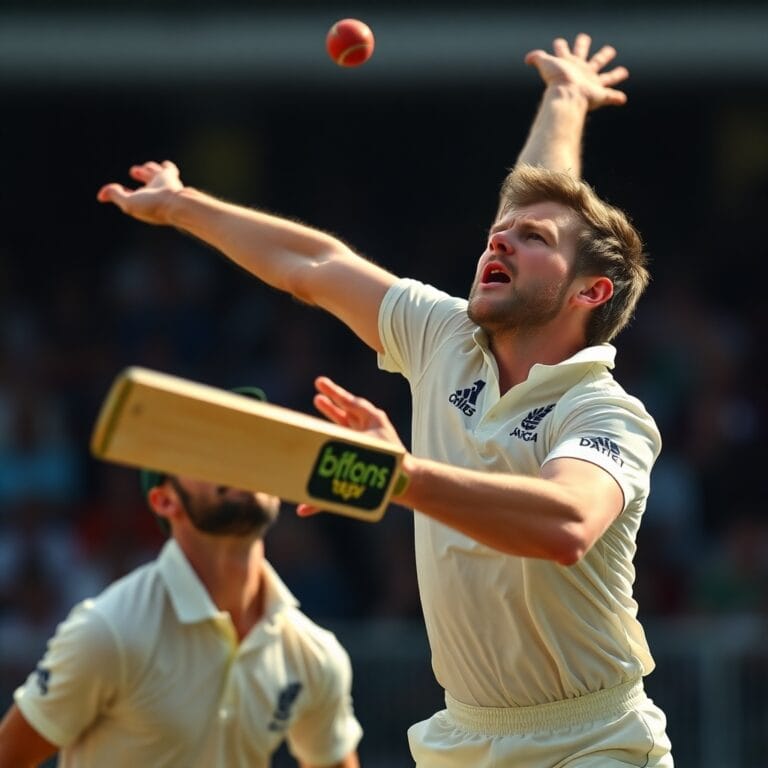
For Ireland, the early success gave the bowlers a confidence boost. Adair’s confidence was evident as he kept a short length that forced the New Zealand top order into defensive strokes. The Irish fielders, especially McCarthy with his stunning catch, exhibited a high level of anticipation, feeding the crowd a spectacle of athleticism.
Tournament impact and what comes next
Although this was a stand‑alone Test, its implications stretch beyond a single result. For New Zealand, the win reinforces their reputation as a side that can recover from early setbacks, a trait vital in multi‑day series where momentum shifts frequently.
Ireland, on the other hand, has shown that it can trouble even the most experienced opponents. The early wicket haul and disciplined bowling spells hint that they could be competitive in future ICC fixtures, especially if they manage to sustain pressure beyond the first session.
Looking ahead, New Zealand will aim to build on the platform set on Day 1, likely targeting a draw or win against a motivated Irish side. Ireland will need to regroup, perhaps tweaking their second‑innings strategy to exploit any wear on the pitch, and bring in their spin options earlier to counter the Black Caps’ batting depth.
Fan perspective and grounded opinion
Fans in Belfast were treated to a rare blend of history and drama. The sight of Williamson and Latham crossing the boundary rope for the first time in Ireland sparked chants that blended local pride with reverence for the visiting greats. For New Zealand supporters, the rescue act of Ravindra and Blundell felt like a reminder of why they love Test cricket – endurance, patience, and the joy of a well‑timed century.
Irish followers left with a mixed feeling: disappointment at the loss but optimism that their bowlers proved they can dismantle top‑order batting under the right conditions. The community hope is that this match will inspire more investment in stadium infrastructure and youth development, feeding the long‑term growth of Test cricket in Ireland.
the Belfast Test delivered a story that goes beyond numbers. It combined a record‑breaking travelogue, a classic comeback, and a glimpse of a future where both nations could find themselves competing regularly at the highest level.