Ireland vs New Zealand: McCarthy’s Dive Turns Tide in Belfast Test
Ireland vs New Zealand: McCarthy’s Dive Turns Tide in Belfast Test
On a damp Belfast morning the one‑off Test between Ireland and New Zealand unfolded at Stormont, and a young Irish fielder turned the early drama into a headline. Liam McCarthy’s diving catch at short mid‑wicket gave the hosts a morale boost and reminded everyone why fielding can shift the balance in a low‑scoring game.
Match Overview
New Zealand won the toss and elected to bat, trusting the seam‑friendly conditions to give their bowlers a chance later. Mark Adair opened the New Zealand attack, ripping through the top order with pace and swing that the green‑topped pitch offered. Tom Latham fell for a duck on Adair’s second ball, and Daryl Mitchell followed shortly. By the end of the first session Ireland had reduced the visitors to 86/4, with the hosts’ bowlers extracting lift off the grass and keeping the ball close to the seam.
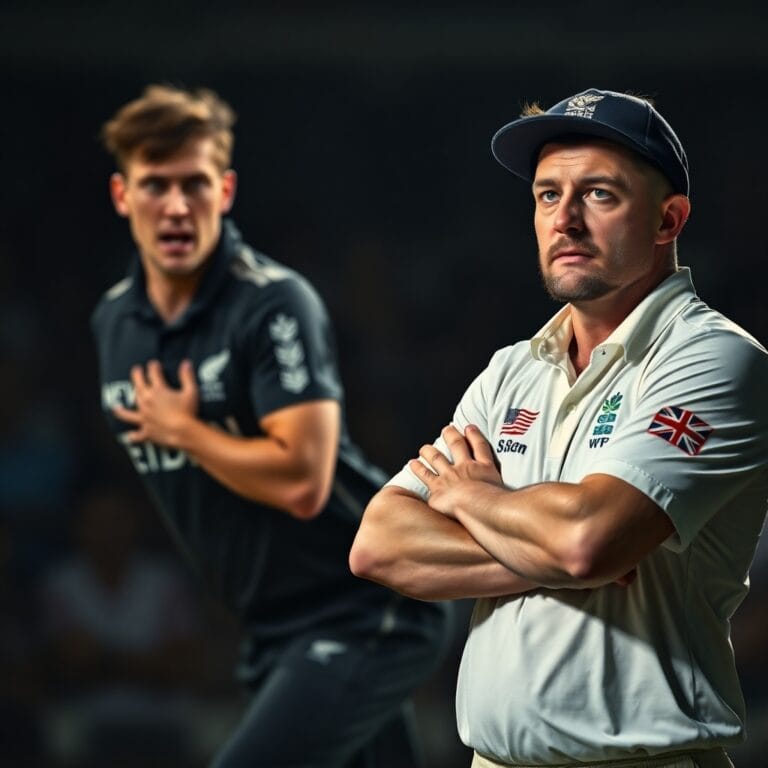
The breakthrough that sparked the buzz came in the seventh over. Adair’s full delivery angled into Devon Conway’s pads, and the New Zealand opener attempted a classic leg‑glance. McCarthy, stationed just a few metres from the bat, launched himself left‑handed, skidded across the turf and snatched the ball a heartbeat before it hit the ground. The catch held, even as his body hit the soil, and Conway departed for four.
That wicket steadied the New Zealand side for a while, but the partnership between Rachin Ravindra and Tom Blundell proved the match‑defining stand. Ravindra’s measured patience carried him to a maiden Test hundred, while Blundell mixed the drive and the flick with effortless timing, guiding New Zealand to a solid 217‑run fifth‑wicket stand. When the day ended, the visitors were 252/5, with Blundell unbeaten and debutant Dean Foxcroft on the crease.
The Stats Behind the Strategy
| Metric | Ireland | New Zealand |
|---|---|---|
| First‑session wickets | 4 (86/4) | 0 |
| Run rate (first 30 overs) | 2.3 | 3.1 |
| Boundary percentage | 12 % | 28 % |
| Successful catches inside 15 m | 2 (McCarthy, Adair) | 0 |
| Bowling average (first day) | 21.5 | 34.0 |
On a pitch that offered seam and a little swing, Ireland’s early aggression paid off. The bowler’s average of 21.5 shows the effectiveness of targeting the stumps; the low boundary percentage indicates the visitors struggled to find the gaps. New Zealand’s 28 % boundary count demonstrates how they finally adapted, employing the soft spot on the fourth‑day surface to rotate the strike.
Tactical Analysis and Decisions
Captain Tim Murtagh’s field placements reflected an intent to pressure the edges. Short mid‑wicket was left unusually shallow, a gamble that paid off when McCarthy turned a half‑chance into a wicket. The decision to bowl an opening spell of 15 overs each from Adair and John Mooney gave the seamers enough length to let the pitch settle before the second‑day bounce kicked in.
New Zealand’s batting order showed flexibility. By moving Ravindra up to number six, they allowed a more defensive player to forge a partnership with the aggressive Blundell. The pair’s complementary styles—Ravindra’s nudging of the ball into the gaps and Blundell’s ability to launch over the infield—neutralised Ireland’s tight field.
Player Roles and Mindset
For McCarthy, the catch was a statement of intent. A debutant bowler, his primary role was to bolster the seam attack, but the moment highlighted his belief that fielding can create the same pressure as a wicket‑taking delivery. His reaction suggested a mindset focused on anticipation rather than pure reflex; he positioned himself early, watched the pad‑line, and committed fully.
Ravindra’s innings displayed a veteran’s composure. After his initial low‑scoring start in the series, he chose to play with a straight bat, leaving his weight on the front foot and rotating the strike. The mental shift from attacking to patient accumulation allowed him to shepherd the tail, culminating in a three‑figure score that also gave New Zealand a psychological edge.
Tournament Impact and What Comes Next
Although this is a one‑off Test, the result will influence the ICC’s assessment of Ireland’s readiness for future series. A strong showing against a top‑six nation could accelerate their inclusion in the next World Test Championship cycle. For New Zealand, the partnership rebuild ensures they avoid a morale‑crushing defeat, and the late‑day stance puts them in a position to chase a modest lead or set a target on Day 2.
The next day will likely see Ireland trying to exploit the evening moisture with short, probing spells, while New Zealand will aim to extend the partnership, perhaps promoting Blundell up the order to keep the momentum. The battle will shift from purely seam‑dominated to a contest of spin and reverse swing as the pitch dries.
Fan Perspective and Grounded Opinions
Irish supporters in the stands were quick to celebrate the catch, posting videos and memes that captured McCarthy’s determination. Social media commentary praised the youthful energy, noting that the catch could become a defining moment for this generation of Irish cricketers. Conversely, New Zealand fans admitted the early wobble but voiced confidence in their batting depth, pointing to the Ravindra‑Blundell stand as evidence of resilience.
From a neutral standpoint, the match underscores how a single fielding effort can lift a team’s spirit in a low‑scoring environment. The catch did more than dismiss Conway; it signalled to the bowlers that wickets were achievable, keeping the pressure dial turned throughout the innings.