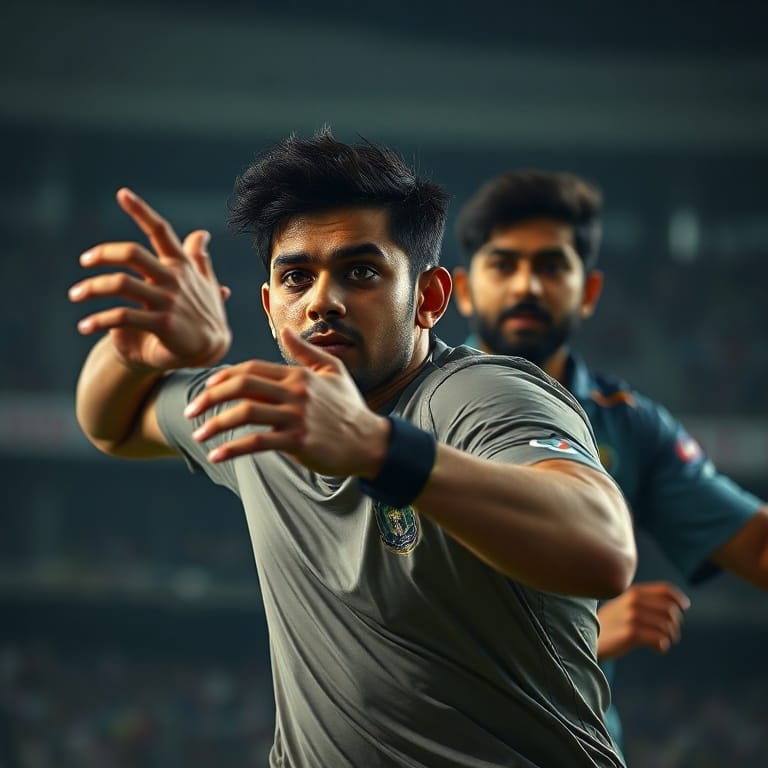
RCB vs GT Qualifier 1: Gill’s Catch, Iyer’s Blitz, and the Dharamsala Drama
RCB vs GT Qualifier 1: Gill’s Catch, Iyer’s Blitz, and the Dharamsala Drama
The IPL 2026 Qualifier 1 between Royal Challengers Bengaluru and Gujarat Titans turned into a showcase of fire‑brand batting and a flash of fielding brilliance. A running catch by Shubman Gill at mid‑off not only halted Venkatesh Iyer’s early surge but also set the tone for a match that will be talked about for weeks.
The Stats Behind the Strategy
| Metric | RCB | GT |
|---|---|---|
| Runs after 6 overs | 76/1 | 29/2 |
| Strike rate of top‑order (Kohli/Padikkal) | 155.55 | 124.33 |
| Iyer – runs per ball | 2.71 (19 off 7) | — |
| Gill – catches taken | 1 (run‑out potential) | 1 (spectacular) |
| Rabada – economy (3 overs) | 13.00 | — |
The numbers reveal why the toss mattered. Dharmasala’s HPCA pitch tends to offer seam and swing in the first half of the innings, and Gill’s decision to field early forced RCB to negotiate that movement while still fresh. The early wicket of Iyer could have been a turning point, but RCB’s powerplay engine kept the pressure on GT.
Tactical choices and why they mattered
Gujarat Titans won the toss and chose to bowl, a move grounded in the venue’s reputation for early lateral movement. The plan was to let the fast bowlers attack the corridor and force the openers into a defensive mindset. Kagiso Rabada, with his high‑rebound action, was the spearhead – his short‑of‑length delivery that produced Iyer’s mistimed slog was textbook seamer’s gold.
RCB, on the other hand, went with a classic aggressive powerplay blueprint: open with a mix of aggression and calculated risk. Virat Kohli, now a seasoned campaigner, took the responsibility of anchoring while still looking for boundaries. Devdutt Padikkal, the modern finisher, rotated the strike with bat‑flips and boundary races, keeping the run rate above twelve.
Player roles and mindset in the heat of Dharamsala
Venkatesh Iyer entered the field with the mindset of a cannon – his early onslaught (19 off 7) reflected a clear intent to dominate the spinners and chase the runway. The short ball from Rabada was a test of his adaptability; the over‑shoulder volley that went sky‑high was a classic case of speed versus timing.
Shubman Gill, usually known for his elegant stroke‑play, reminded everyone of his fielding pedigree. Planted at mid‑off, his split‑second decision to turn and sprint backward shows a player who reads the game beyond the crease. The catch not only required raw athleticism but also a keen perception of trajectory, especially on a pitch where the ball can seam late.
Virat Kohli’s 34* off 18 balls was a masterclass in silencing the pressure. He shifted gears after Iyer’s dismissal, moving from a measured approach to a controlled barrage, a mindset that blends experience with the current T20 tempo. Padikkal’s 23 off 11 kept the partnership fluid, his willingness to swing the bat early set the platform for the final overs.
Impact on the tournament and what’s next
With RCB posting a projected total north of 230, the qualifier becomes a test of GT’s chase pedigree. The early wicket of Iyer gave GT a breathing space, but the run‑rate required to keep up will demand contributions from the middle order, especially from the likes of Hardik Pandya and Rahul Tewatia. Their experience in chasing high totals will be crucial.
If GT manage to keep the required run‑rate under 10 runs per over, their bowlers – especially Jason Behrendorff and Rashid Khan – will have a chance to apply pressure in the middle overs. Rashid’s variations on a pitch that retains some spin later in the day could become a game‑changer.
For RCB, the next challenge is to protect a strong platform while shielding the lower order from a possible late‑innings collapse. The decision to keep Rabada on for a full spell after a costly first over could backfire if GT’s batsmen settle. Rotating the bowlers, perhaps introducing a quick‑handed spinner like Yuzvendra Chahal, may be a smarter move.
Fans’ perspective – the human side of the drama
Supporters in the hillside city were treated to a roller‑coaster of emotions. The gasp that followed Iyer’s six‑run blitz turned into a collective sigh when Gill sprinted and snatched the ball out of the air. Social feeds lit up with split‑screen replays, each frame dissecting the catch’s footwork. For the RCB faithful, the early partnership restored faith after a shaky start to the season, while Gujarat’s crowd clung to hope, knowing the team had the firepower to chase anything.
The chatter in the bars and online forums reflects a deeper narrative: IPL isn’t just about the numbers; it’s about those split‑second moments that define careers. Gill’s catch could become a highlight reel staple for years, while Iyer’s explosive cameo reminds us why the league produces such raw talent.
As the tournament moves toward the final, the lessons from Dharamsala are clear – adaptability, athleticism, and the ability to seize momentum will separate the champions from the runners‑up.