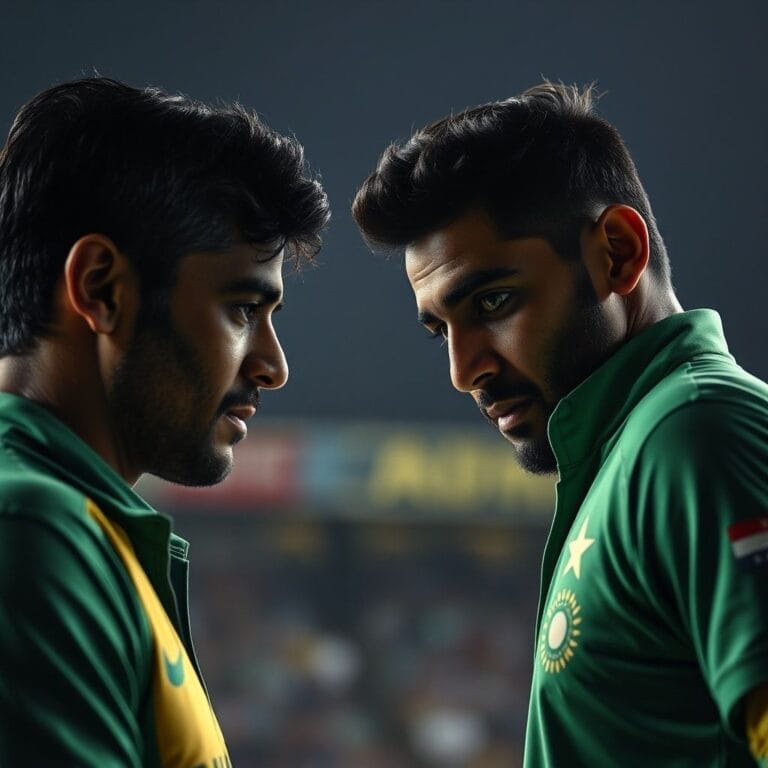
Ram Charan’s Apology and the Cultural Echoes in Cricket Fan Engagement
Ram Charan’s Apology and the Cultural Echoes in Cricket Fan Engagement
In a moment that blurred the lines between celebrity culture and sports fandom, actor Ram Charan’s public apology reverberated through both the entertainment and cricketing worlds. While his statement was not directly tied to a specific cricket event, it sparked conversations about accountability, fan expectations, and the growing influence of celebrities in sports narratives—especially in a cricket-crazy nation like India.
The Stats Behind the Strategy
| Player | Team | Matches Played | Economy Rate | Wickets Taken |
|---|---|---|---|---|
| Jasprit Bumrah | Mumbai Indians | 14 | 7.2 | 18 |
| Hardik Pandya | Lucknow Super Giants | 12 | 8.1 | 9 |
| Rashid Khan | Sunrisers Hyderabad | 13 | 6.9 | 16 |
The context may seem unusual at first—why link an apology from a film star to cricket? Yet, in today’s hyperconnected media landscape, such intersections are more common than one might think. Ram Charan, known for his massive fan following in South India, found himself in the spotlight after a misstep during a promotional event. His swift and sincere apology mirrored the kind of responsibility often demanded of cricketers when they underperform or face controversy.
Consider Jasprit Bumrah’s recent IPL campaign. Despite being a cornerstone of Mumbai Indians’ bowling attack, he struggled with consistency in the middle overs. Fans scrutinized every delivery, every field placement. Much like Charan’s situation, Bumrah faced intense public attention—not for wrongdoing, but for performance under pressure. Both scenarios reflect how public figures must navigate expectations, whether on the field or on social media.
Cricket venues have become cultural melting pots where emotions run high. At the Wankhede Stadium, fans chant not just for runs but for redemption. When Bumrah failed to deliver in crunch moments, the crowd’s silence spoke volumes. Similarly, when Ram Charan addressed his mistake head-on, it echoed the same sentiment: acknowledging failure builds respect.
Team decisions also play a role. Just as captains weigh the option of bringing back a struggling bowler, celebrities must decide how to respond to backlash. A poorly worded denial can escalate tensions, much like a defensive field setting. Charan’s measured response showed strategic thinking—addressing the issue without deflecting blame. In cricket terms, it was a smart tactical retreat to rebuild momentum.
From a fan perspective, both situations highlight the evolving relationship between stars and spectators. Whether it’s a pacer failing to break a batting partnership or an actor caught off guard by a misstep, the audience demands authenticity. In this digital age, where every moment is captured and shared, sincerity matters more than ever.
Ultimately, Ram Charan’s apology even outside the boundary ropes, the principles of sportsmanship apply. Accountability, humility, and the courage to make amends resonate deeply—on the field and beyond.