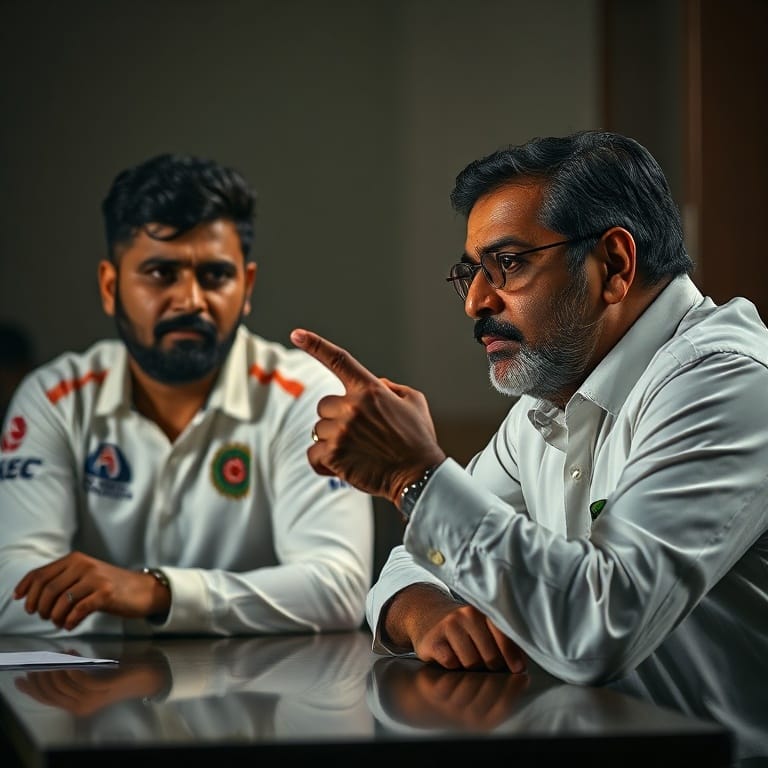
Lucknow Super Giants’ IPL 2026 Campaign: Tactical Missteps and the Road Ahead
Lucknow Super Giants’ IPL 2026 Campaign: Tactical Missteps and the Road Ahead
Lucknow Super Giants have hit a rough patch in IPL 2026, their playoff hopes vanished and star batsman Aiden Markram walked out mid‑campaign for family reasons. The double blow reshapes their final two games and forces a rethink of what’s left of a talent‑rich but under‑performing side.
The Stats Behind the Strategy
| Season | Runs | Avg | SR | Half‑Centuries |
|---|---|---|---|---|
| 2025 IPL | 445 | 34.23 | 149.8 | 5 |
| 2026 IPL (till exit) | 231 | 25.67 | 132.4 | 0 |
The numbers tell a clear story: Markram’s strike rate slipped by 17 points and his average fell by almost nine runs. In the same period Lucknow’s pace quartet posted a combined economy of 7.8 while spin options were virtually nonexistent, a factor that shows up in the 172 runs conceded on the spin‑friendly Sawai Mansingh surface.
When you line up the team’s four wins against the six losses, a pattern emerges – victories often came when the top order survived the first six overs, giving the middle order a platform. In defeats, early wickets fell on the flat Jaipur pitch, exposing the lack of a wicket‑taking spinner.
Match and Tournament Context
The IPL 2026 schedule placed Lucknow in a tight grouping of matches in May, with the Jaipur encounter against Rajasthan Royals followed by a home clash with Punjab Kings. Both opposition sides favour spin, and the Sawai Mansingh pitch historically offers turn after the fourth session. Lucknow entered that match with three wins, but the exit of Markram meant the opening slot was handed to a rookie who barely gets a look at the ball.
Earlier in the season, the franchise tried to swing momentum by promoting Mitchell Marsh to number three and sliding Markram down to six or seven. The tactic back‑fired; Marsh’s six‑hammer style suited the high‑scoring Deshraj ground but produced a modest 23 off 12 balls against CSK, while Markram sat at the crease for 20 overs without a scoring opportunity.
Tactical Analysis and Team Decisions
Lucknow’s bowling strategy leaned heavily on sheer pace. Mohammed Shami and Mayank Yadav often opened the attack, aiming to grab early wickets with sheer speed. The plan worked on hard, bouncy tracks in Ahmedabad but faltered on the slower, low‑bounce surfaces of central India. Without Wanindu Hasaranga, the captain Rishabh Pant was forced to overload seam, a move that left the team vulnerable once the ball settled.
- Seam‑first approach on spin‑friendly wickets left gaps in the middle overs.
- Frequent shuffling of the batting order prevented any player from settling into a rhythm.
- Over‑reliance on a handful of big names meant the bench players rarely saw meaningful game time.
In hindsight, a more balanced attack – pairing a part‑time leg‑spinner like Rahul Chahar with the pace battery – could have taken some pressure off the seamers. The decision to drop Hasaranga for the entire season, rather than seek a like‑for‑like replacement, created a strategic void that opponents exploited.
Player Roles and Mindset
Markram’s departure forces the team to reassess the top‑order composition. Rishabh Pant, who usually bats low, has been thrust into a higher‑order role where his aggressive stroke play can be a double‑edged sword. Pant’s mindset now hinges on protecting the wickets while still providing the quick runs that the franchise expects.
Nicholas Pooran, who had flashes of brilliance, now bears the burden of anchoring the chase when early wickets tumble. His ability to rotate the strike and accelerate in the death overs will be crucial, especially with the middle order stretched thin.
On the field, the pace trio must adapt to the slower surfaces. Shami’s swing, suited to early movement, can still be effective if he bowls a tighter line and uses the crease to vary length. Mayank Yadav, with his raw speed, needs to bowl into the feet of the batsmen, making them play across the line – a tactic that could induce false shots on the turn‑prone tracks.
Tournament Impact and What Comes Next
Mathematically out of the playoffs, Lucknow’s final two games are now about pride and setting a foundation for the next edition. A win against Rajasthan could inject confidence into the relatively young core, while a loss would underline the need for a revamp during the upcoming auction.
The franchise’s management has hinted at a possible overhaul of the spin department, scouting for a quality Indian spinner who can also bowl in the powerplay. In addition, they may look to add a versatile all‑rounder capable of stabilising the middle order and providing part‑time spin.
If the backroom staff manage to stick to a clear plan – using the pace battery wisely, promoting a domestic spinner, and giving consistent roles to the batting unit – Lucknow could bounce back next season with a more balanced side.
Fan Perspective and Grounded Opinions
Fans have taken to social media with a mixture of empathy for Markram’s personal decision and frustration over the team’s lack of cohesion. Many point out that the franchise spent heavily on overseas firepower but neglected domestic depth, particularly in the spin sector.
Local supporters in Lucknow remain hopeful that the franchise will learn from this season’s missteps. The sentiment in the city is that the team’s heart is there; the missing piece is strategic clarity. A few seasoned fans argue that the leadership should have stuck with Markram longer, even if it meant reshuffling the batting order earlier, rather than fluctuating his position and losing his confidence.
the consensus is that while the IPL 2026 campaign ends on a sour note, there is still room for optimism. The young Indian pacers have shown promise, and with the right recruitment and a stable batting lineup, Lucknow Super Giants could return to the playoff picture next year.