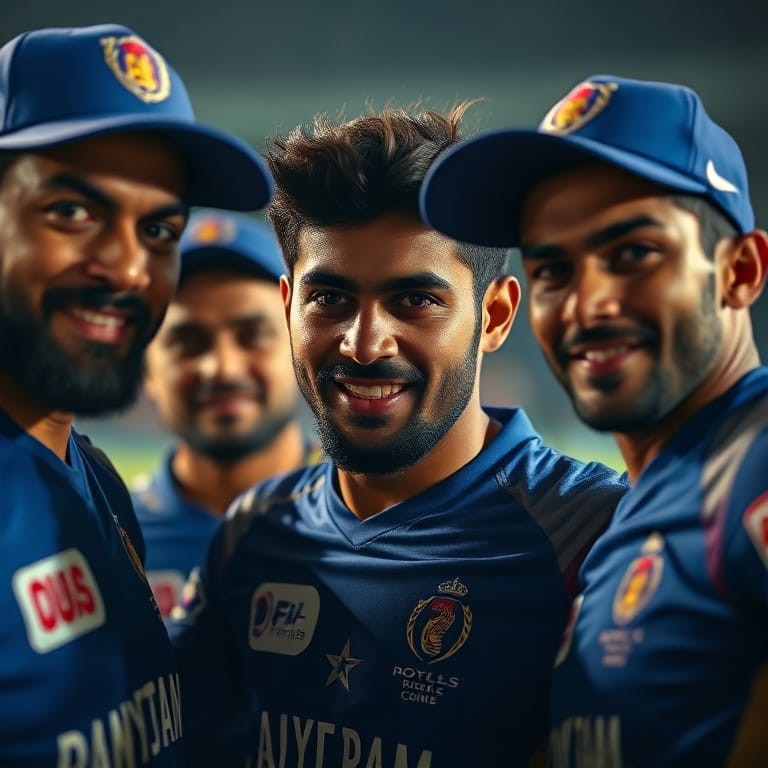
The Half-Century Makers: IPL’s Most Reliable Batsmen
The Half-Century Makers: IPL’s Most Reliable Batsmen
This piece dives into the elite club of IPL batsmen who have turned half‑centuries into a habit rather than a rarity. Their consistency reshapes team strategies, influences auction values and keeps fans glued to the edge of every powerplay.
The Stats Behind the Strategy
| Player | 50+ Scores | Matches | Strike Rate | Total Runs |
|---|---|---|---|---|
| Virat Kohli | 76 | 220 | 138.7 | 9,200+ |
| David Warner | 66 | 215 | 144.3 | 6,500+ |
| Shikhar Dhawan | 53 | 190 | 135.2 | 6,700+ |
| Rohit Sharma | 51 | 279 | 130.9 | 7,300+ |
| KL Rahul | 50 | 158 | 138.0 | 5,700+ |
Those numbers do more than flash on a screen – they dictate how captains map innings. When a side knows it has a 70‑plus‑match player who can breach the 50‑run barrier on any surface, the batting order bends around that certainty. In practice, the presence of a half‑century machine lets a captain push a hard‑hitting finisher up the order, confident that the anchor will see the team past the midway point.
Match and Tournament Context
The IPL’s 2026 edition has already seen three title‑contenders rely heavily on the backbone of these veterans. RCB’s chase against Kolkata in a rain‑trimmed thriller hinged on Kohli’s 58, while SRH’s early‑season surge was sparked by Warner’s blistering 71 off 38 at the Rajiv Gandhi International Stadium. The pattern is clear: teams that build their game plan around the reliability of a 50‑plus scorer often avoid the panic‑button moments that knock out less experienced sides in the middle overs.
Tactical Analysis and Team Decisions
Coaches treat the half‑century list as a strategic lever. At Mumbai, Rohit Sharma’s effortless timing across the Wankhede’s short boundaries encourages the team to employ an aggressive field setup early on, daring opposition bowlers to concede runs in pursuit of early wickets. In contrast, Delhi’s middle‑order strategy tonight placed Dhawan at No 4, acknowledging his knack for turning a slow‑pitch Eden Gardens start into a platform for a 70‑run stand.
The decision to promote a finisher like Hardik Pandya to No 5 when a senior half‑century maker is at the crease mirrors the ‘paired safety net’ approach. The logic runs simple: the anchor builds a base, the finisher attacks with calculated risk. When the anchor falters, the finisher’s aggression can still tip the scales, but the team never finds itself scrambling for runs in the death overs.
Player Roles and Mindset
Each member of the elite five wears a different hat. Kohli plays the dual role of anchor and accelerator, converting his steady start into a platform for late‑order fireworks. His mindset reads like a disciplined marathoner: he gauges the required run rate, then mates aggression with restraint.
Warner, in contrast, embodies the ‘attack from ball one’ philosophy. His preparation involves visualising ball‑by‑ball dominance, especially on low‑bounce Hyderabad tracks where the ball comes to the bat with ease. This confidence translates into a high strike rate that forces bowlers to rethink lengths.
Rahul, who has switched franchises multiple times, adapts his technique to suit the pitch. In Bengaluru’s turning Chinnaswamy, he leans into the leg side, using his wrist to manipulate the ball’s swing. His versatile approach means he can slot into any top‑order slot without losing rhythm.
Tournament Impact and What Comes Next
As the league reaches its penultimate phase, the chase for a sixth half‑century this season will drive several players. Warner eyes his 70th, while Dhawan hopes to break the 55‑fifty barrier that would cement his place in the record books. The upcoming knockout round at the Dubai International Stadium, known for its balanced seams, could favour a strategic injection of either a power‑hitter or an anchor, depending on the opponent’s bowling composition.
Looking ahead, the next IPL season will likely see franchises betting heavily on these consistency markers during the auction. Young talent will be measured not merely by raw power but by their capacity to convert starts into substantial contributions – a trait the league’s history has rewarded.
Fan Perspective and Grounded Opinions
Supporters sit in a comfortable middle ground: they adore the fireworks, yet they appreciate the steady glow of a fifty‑plus player. Social media threads often compare a century’s glamour to a half‑century’s reliability. For a fan who has watched Kohli chase 150 in a final, the steady accumulation of 50‑run innings feels like an insurance policy for the team.
When a franchise loses a stalwart to injury, the ripple effect is palpable. The Delhi crowd’s disappointment after Dhawan’s hamstring layoff this year highlighted how heavily they rely on his steady opening stand. Conversely, Rahul’s move to Lucknow for the final stretch sparked a surge in merchandise sales, underscoring the commercial pull of a player who consistently hits the 50‑run mark.
In the end, the IPL’s narrative is a tapestry woven from moments of brilliance and relentless consistency. The five legends who dominate the half‑century leaderboard illustrate that longevity and adaptability win more often than sheer brute force. As the tournament inches toward its climax, the next half‑century could be the decisive thread that ties a championship together.