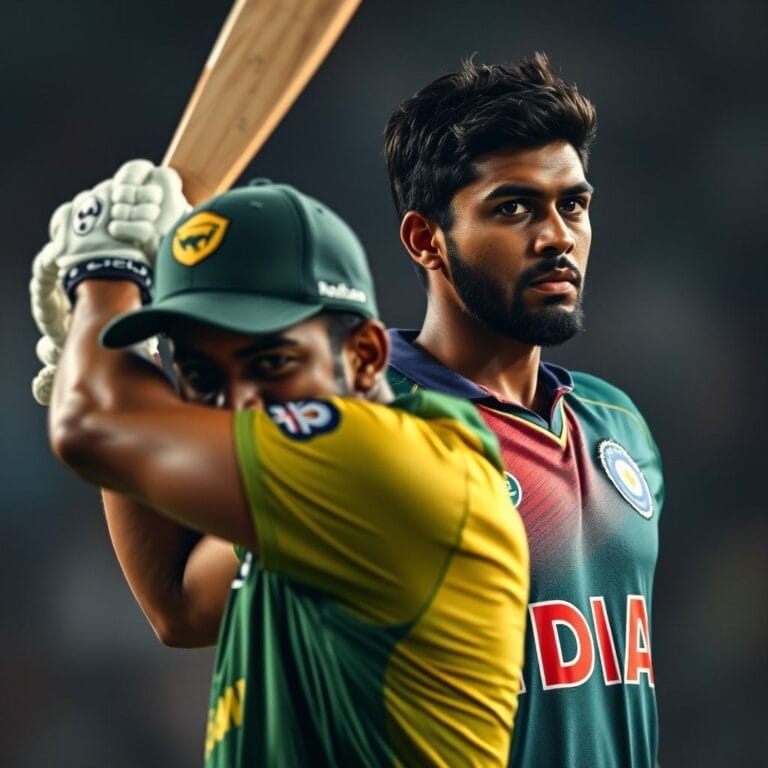
Axar Patel’s Diving Catch Shifts Momentum in Delhi Capitals’ Favor
Axar Patel’s Diving Catch Shifts Momentum in Delhi Capitals’ Favor
The 62nd match of IPL 2026 turned into a lesson in how a single fielding effort can rewrite the script of a chase. Axar Patel’s diving catch off Mitchell Starc didn’t just end Riyan Parag’s 51-run blitz; it changed the momentum for Delhi Capitals and gave fans a moment to dissect for weeks.
The Stats Behind the Strategy
| Player | Runs | SR | Bowling Figures | Key Moment |
|---|---|---|---|---|
| Riyan Parag (RR) | 51 | 196 | – | Caught diving at long-on (15.2) |
| Vaibhav Suryavanshi (RR) | 46 | 219 | – | 21-ball cameo |
| Dhruv Jurel (RR) | 53 | 132.5 | – | Half-century anchor |
| Mitchell Starc (DC) | – | – | 4/40 | Late-over swing |
| Axar Patel (DC) | – | – | 2/28 | Diving catch (15.2) |
At the Delhi track, the early overs favor pace on a medium-fast surface that tends to bite in the evening. Starc’s off-cutter on 15.2 exploited the reverse swing that sets in after the fifth over, forcing Parag to look for the lofted finish. The dive was a direct response to the pitch offering low bounce, pushing the boundary fielders to stay behind the line.
Tactical Landscape and Team Decisions
Delhi chose to field first, a classic IPL move when the dew factor is expected to assist chasers. Their lineup stacked three genuine swing bowlers – Starc, Ngidi and Tiwary – to swing the ball early and keep runs in check. The decision to keep Axar at the boundary was a calculated gamble: his left-arm spin could be a wicket-taking threat, but his athleticism was a bigger asset on a ground where the ball often rolls to the long-on region.
Rajasthan’s batting order was built around acceleration. Opening with Yashasvi Jaiswal, they expected a quick start, but his dismissal at 12 forced an early reliance on Parag. The Parag-Suryavanshi partnership set the platform, yet the loss of Parag on a boundary catch introduced a tactical shift. Starc switched to bouncers and slower balls, rattling the middle order and generating a 30-run wobble in the last ten overs.
Player Mindset and Role Adaptation
Axar Patel entered the game as a captain-bowler, but his fielding role morphed into a momentum catalyst. The dive reflected his mindset: treat every ball as a chance to influence the game beyond his spell. For Parag, the aggressive intent to lift the ball over the fence turned into a mis-read of Starc’s off-cutter, reminding us how high-risk shots can backfire on a fast-moving surface.
Starc’s composure after the catch was key. Instead of celebrating, he refocused on a tight line, delivering two wickets in quick succession – a testament to his ability to turn a breakthrough into a pressure wave. On the chase, Delhi’s top order, anchored by Shikhar Dhawan, adopted a measured approach, respecting the target while allowing the finishers to unleash in the death overs.
Impact on the Tournament and What Lies Ahead
With 193/8, Rajasthan sits comfortably within the playoff bracket, but the loss of Parag’s momentum could have cost them a 200+ total. Delhi’s chase, though still pending, gains confidence from the wicket swing. A victory would push them into the top three, tightening the race for the final spots.
For the next fixtures, teams will likely re-evaluate their boundary positioning, especially on Delhi’s evenings where the ball hangs in the air. Expect more captain-level fielders being placed at long-on and long-off, a trend that could influence the tournament’s fielding strategies.
Fan Perspective: What the Crowd Felt
Social media erupted with replay loops of the catch, many fans dubbing it “the moment the game turned.” The collective gasp from the stadium was evident – a mix of awe for Axar’s athleticism and dread for Rajasthan supporters who saw a golden partnership dissolve. In the commentary box, analysts praised the throw-in accuracy, yet fans highlighted the emotional swing: “One catch, one whole night changed.”
On the ground, supporters of Delhi chanted “Patel, Patel!” as the catch was confirmed, while RR fans tried to rally behind Jurel’s half-century. The venue’s atmosphere oscillated between thunderous applause and nervous silence, underscoring how fielding can be as decisive as a four-run over.
Looking ahead, the narrative will revolve around whether Delhi can chase down 194 on a pitch that tends to slow under lights, and whether Rajasthan can regroup without Parag’s aggressive spark. One thing is clear: moments like a diving catch can reshape not just a match, but the season’s storyline.