Kohli’s Test Legacy: How Youth Shaped India’s Golden Era
Kohli’s Test Legacy: How Youth Shaped India’s Golden Era
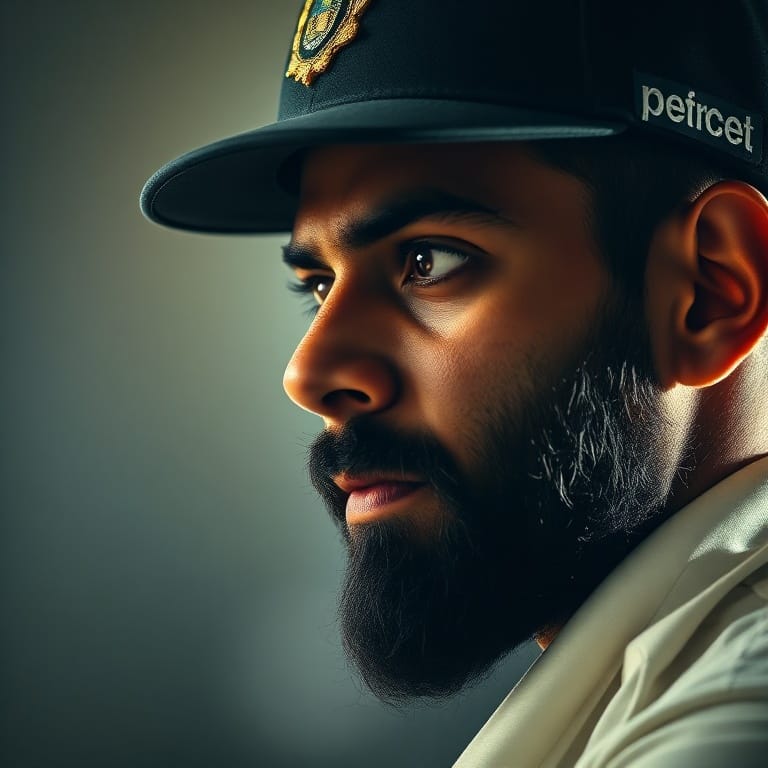
Virat Kohli recently shared what made India’s Test side thrive under his captaincy: a younger squad that took ownership of decisions. That mindset shift offers a roadmap for the current team as it transitions to new leadership.
The Stats Behind the Strategy
| Year | Average Age (players) | Test Wins | Win % |
|---|---|---|---|
| 2014 | 27.1 | 5 | 45% |
| 2015 | 26.8 | 6 | 52% |
| 2016 | 27.0 | 4 | 40% |
| 2017 | 26.5 | 7 | 58% |
| 2018‑19 (Aus tour) | 26.9 | 2 | 66% |
| 2020‑21 (NZ, Eng, SA) | 27.2 | 5 | 55% |
The data shows a tight age window – most years sit between 26.5 and 27.2 – and a win percentage that hovers above 50 per cent. Those numbers suggest that a compact age group helped the side translate talent into results more consistently.
When Kohli took over from Dhoni, he inherited a batch of players who had broken into the side together: Cheteshwar Pujara, Ajinkya Rahane, and a young Ashwin were all mid‑twenties. That cohort grew into a core that made decisions collectively rather than waiting for a senior to dictate tactics.
Tactical Choices Shaped by Youthful Energy
One of the most visible shifts was the way the pace battery was employed. Instead of leaning on a single spearhead, the management rotated Shami, Ishant, Yadav and Bumrah high‑intensity spells. The idea was simple: keep the opposition off‑balance with fresh, fast deliveries that matched the team’s fitness standards.
On bouncy tracks in Johannesburg and Perth, the quartet attacked the line rather than the length, forcing batsmen into defensive positions. In Chennai, where the pitch holds onto moisture, the same men were asked to bowl a longer spell, using swing to tease the edge. The flexibility came from a shared belief that each bowler could own a part of the plan, not just follow an instruction.
Spin also reflected the same philosophy. The Ashwin‑Jadeja partnership was given the liberty to set fields and rotate the strike, rather than being constrained by a captain’s preset targets. Their variations on the third‑day spin‑friendly surfaces at Dharamshala and Rajkot were a direct outcome of a “we’re all responsible” mindset.
Player Mindsets and the Shift in Ownership
For a player like Rahane, the reduced hierarchy meant he could voice opinions on field placements without worrying about offending a senior. The same applied to Pujara, who began to see himself as a conduit for the team’s longer‑term strategy rather than a lone anchor.
Youngsters such as Shubman Gill and Prithvi Shaw, who broke into the side in 2020, were not treated as apprentices waiting for a nod. Their early innings were met with the expectation that they would assess conditions and decide on their own aggressiveness. That confidence paid off in the drawn series against England, where Gill’s patient 160 at Lord’s set the tone for a resilient batting display.
Impact on the Current Tournament Cycle
India’s upcoming Test schedule – the home series against England, a tour of South Africa and a home encounter with New Zealand – will test whether the “young‑owner” model can survive the loss of the Kohli era. The bench now includes Rishabh Pant, who has taken up a leadership role in the middle order, and the all‑rounder Axar Patel, who brings a different spin angle suitable for flat pitches in Nagpur.
The next captain, Shubman Gill, inherits a squad whose average age has crept up to 28.4 after the retirement of the Ro‑Ko duo. If Gill can maintain the same level of collective accountability, the team could stay competitive on fast, bouncy tracks as well as spin‑friendly surfaces.
Fan Perspective – What the Crowd Feels
Supporters across the country have taken note of the shift. Social media threads after the Australia win highlighted the “team‑first” vibe that seemed to reverberate from the dressing room to the stands. In Delhi, fans chanting “One Team, One Dream” after the New Zealand series reflected a belief that the side no longer relies on a single star to win.
some long‑time followers miss the aura of a charismatic captain leading from the front. The balance lies in letting the next generation earn their own admiration while preserving the collaborative culture that delivered five SENA victories under Kohli.
the core lesson from Kohli’s reflection is that age alone isn’t the magic ingredient; it’s the way a tight‑knit group uses that age to forge a shared purpose. As India prepares for its next challenge, the blueprint of youthful ownership will be the yardstick against which success is measured.