Fitness and Form: How Sprint Speed is Reshaping IPL 2026
Fitness and Form: How Sprint Speed is Reshaping IPL 2026
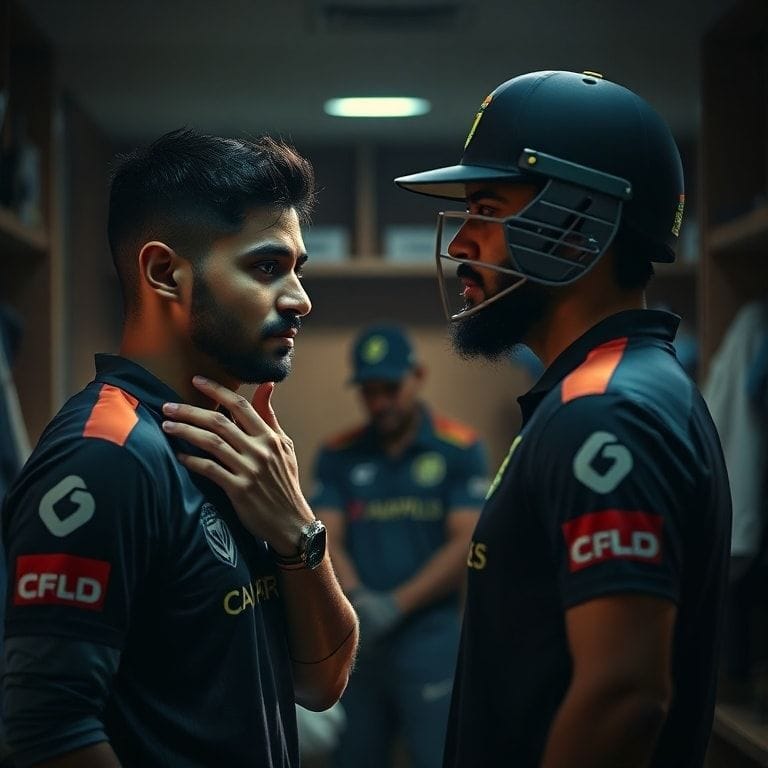
The latest episode of IPL 2026 has turned a spotlight on fitness, as former India stalwart Sanjay Manjrekar urged two of the tournament’s biggest stars – Rohit Sharma and Suryakumar Yadav – to emulate Virat Kohli’s rigorous conditioning regime. The call‑out matters because it touches on how senior players can stay competitive in a format that rewards speed and agility.
The Stats Behind the Strategy
| Player | Average Sprint Speed (km/h) | Distance Covered per Innings (km) | Batting Strike Rate (IPL 2025‑26) |
|---|---|---|---|
| Virat Kohli | 19.2 | 1.85 | 152.4 |
| Rohit Sharma | 17.6 | 1.62 | 147.8 |
| Suryakumar Yadav | 18.1 | 1.71 | 158.3 |
The numbers reveal a modest gap in sprint speed between Kohli and his peers, but the distance covered per innings tells a more telling story. Kohli’s extra 0.2 km per innings reflects a willingness to chase every ball, a trait that often translates into better fielding positions and the ability to convert quick singles into boundaries.
Match Context and Tactical Moves
During the mid‑season clash at the Delhi Capitals’ ground, both Rohit’s and Suryakumar’s teams found themselves on the back foot after a string of low‑score chases. The pitch, a dry, crumbly surface that offered a little turn in the latter overs, demanded sharp running between the wickets and aggressive field placements.
Rohit, usually praised for his calm finish, opted for a measured approach, rotating the strike early and looking to build partnerships. The strategy stalled when his footwork lagged on quick singles, giving the opposition a few easy run‑outs. Suryakumar, on the other hand, tried to force the tempo, but his slight hesitation on short‑run attempts allowed the fielding side to settle the game.
Both scenarios underline why Manjrekar’s fitness point carries weight. In T20, a half‑second shave off a runner’s time can be the difference between a single and a turnover.
Player Roles, Mindset and Venue Links
Rohit thrives at Wankhede, where the sea breeze aids his lofted drives. The stadium’s wide outfield suits his big‑hitting style, but it also punishes a sluggish sprint. A lighter, nimbler Rohit could convert those 80‑meter boundaries into 90‑meter orbitals, stretching the boundary and easing pressure.
Suryakumar’s comfort zone lies in Hyderabad’s Rajiv Gandhi International Stadium, a ground known for its slow, low‑bounce tracks. Here, quick singles are a premium. When he moves with the agility of a sprinter, he can manipulate fielders into misfields, turning a 30‑run partnership into a 50‑run stand.
Virat’s current stronghold is the Delhi Netaji Stadium, where the pitch offers a balanced contest. Kohli’s dedication to daily HIIT sessions, yoga, and strict diet not only keeps his average sprint speed at the top end but also allows him to recover quickly between matches – a vital edge in a compact IPL schedule.
Team Decisions Shaped by Fitness
- Captains are now rotating bowlers earlier to keep the fielding unit fresh, especially on high‑altitude venues like Dharamshala where stamina drops faster.
- Coaches have introduced micro‑recovery zones on the side of the arena, encouraging players to stretch and hydrate during the 90‑second fielding breaks.
- Team management is using wearable tech to monitor players’ heart‑rate variability, adjusting workload for those whose fatigue metrics rise above a set threshold.
These adjustments demonstrate an evolving belief that conditioning is as strategic as selecting the opening pair.
Tournament Impact and What Lies Ahead
If Rohit and Suryakumar take Manjrekar’s advice to heart, they could reshape the power dynamics of the league. A fitter Rohit would bolster his side’s chase probabilities, while a more explosive Suryakumar could dominate the death overs, a phase that often decides the final standings.
Looking forward, the playoff stage will shift to the flatter, faster outfields of Bengaluru and Chennai. Those venues favor teams that can sprint hard and recover quickly. The teams that have invested in elite conditioning programs already stand a better chance of clinching the trophy.
Fan Perspective and Grounded Opinions
Supporters on social media have a mixed reaction. Some argue that experience outweighs physical peaks, pointing to Rohit’s record of comeback wins. Others echo Manjrekar, insisting that if elite players don’t adapt, younger talent will eclipse them.
From a fan’s point of view, the spectacle of a crisp, high‑energy chase is far more thrilling than a sluggish slog. When a player darts across the grass, the stadium erupts, and the narrative of the match shifts instantly. That’s the kind of cricket fans want to see, and it’s precisely what a strict fitness regime can deliver.
In the end, the focus isn’t only on who runs faster; it’s about how modern cricket blends skill with athleticism. The IPL 2026 season may become a case study for future generations, showing that a disciplined fitness culture can extend a star’s prime and keep the game electrifying.