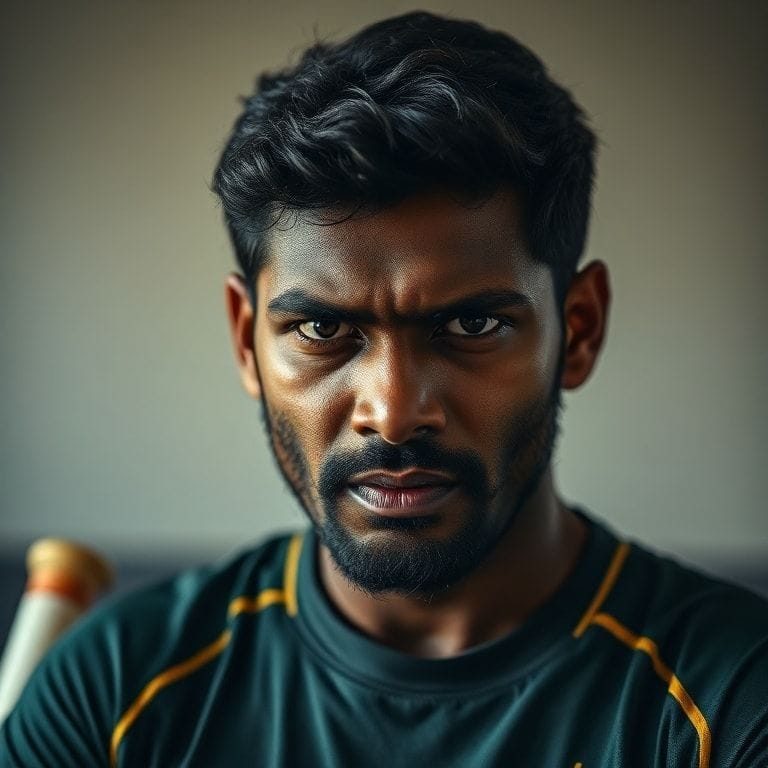
Dasun Shanaka PSL ban: Contract breach and T20 fallout
The Shanaka Saga: Contract Clashes and T20 Consequences
This piece looks at the Pakistan Cricket Board’s decision to bar Sri Lanka captain Dasun Shanaka from the Pakistan Super League for a year after he jumped to the Indian Premier League. The ruling sends a clear signal about contract discipline in the crowded T20 market and ripples through franchise planning and fan sentiment.
The Stats Behind the Strategy
| Metric | PSL (2024) | IPL (2024) | Shanaka’s Earnings |
|---|---|---|---|
| Average player salary (USD) | 55,000 | 210,000 | 300,000 (Rajasthan Royals) |
| Games missed by Shanaka in PSL | 5 | – | 5 (withdrawn) |
| Ban duration for contract breach | 1 year (Shanaka) | 2 years (Blessing Muzarabani) | — |
| Team win % with Shanaka in XI | 58% | – | – |
Numbers underline why the PCB felt compelled to act. A salary gap of more than three times the PSL average makes a mid‑season switch look tempting, yet the loss of a batting all‑rounder who helped Lahore Qalandars win 58 % of their matches reshapes the franchise’s tactical outlook.
Tactical ripple effect on Lahore Qalandars
Lahore Qalandars built their batting order around Shanaka’s ability to accelerate in the death overs while also offering a handy off‑spin option. When the news broke that he would not report to Lahore, the coaching staff scrambled to reshuffle the middle order. The immediate replacement, a domestic fast‑bowling all‑rounder, lacks Shanaka’s batting finesse and off‑spin control, forcing the Qalandars to rely more on their top‑order power hitters.
On the field, the pitch at Gaddafi Stadium is a low‑bounce, slightly turning surface that rewards variations. Shanaka’s off‑spin had been a useful weapon on days when the ball grabbed turn in the third session. Without him, the Qalandars now need their specialist spinner, Zahid Mahmood, to bowl longer spells, exposing the team to fatigue late in the innings.
Player mindset and the lure of the IPL
From Shanaka’s perspective, the IPL offers more than money. Playing for Rajasthan Royals puts him under the guidance of former England captain Rahul Dravid and the chance to compete with world‑class talent week after week. The mental boost of sharing the dressing room with players like Jos Buttler and Yashasvi Jaiswal can accelerate his own game.
Yet the decision also hints at a pragmatic reality. As a captain of Sri Lanka, he has to balance personal growth with national duties. The IPL schedule sits neatly after the World Cup window, allowing him to return to the Sri Lankan side without clashing with major series. The PCB’s sanction, therefore, feels like a professional gamble that paid off financially but cost him a year of PSL exposure.
Impact on the broader T20 ecosystem
Shanaka’s ban is a wake‑up call for other leagues that rely on draft integrity. When a franchise invests in a marquee name, the expectation is that the player will honor the contract unless a genuine injury occurs. The PCB’s stance puts pressure on players to think twice before breaking a deal for a better paycheck.
Two other high‑profile cases underscore the escalating tension: Zimbabwe’s Blessing Muzarabani received a two‑year ban after a disputed contract with the PSL, and South African all‑rounder Lungi Ngidi faced a short‑term suspension for joining an IPL side during the PSL window. These incidents fuel debates about a unified global calendar that would minimise overlap and reduce the incentive for league hopping.
What fans are saying
On social media, Qalandars supporters expressed disappointment mixed with frustration. Many felt the franchise should have secured a stronger clause in Shanaka’s contract to prevent a last‑minute exit. Others argued that the player’s choice is understandable given the financial disparity between the leagues.
In Sri Lanka, fans cheered the move, believing that exposure in the IPL will sharpen Shanaka’s leadership ahead of the next World Cup. Yet a subset of the audience worries about the long‑term effect on the PSL’s reputation: frequent player turnover could erode the league’s brand value.
Looking ahead: the next chapter for PSL and players
With the Qalandars now forced to play the remainder of the season without their designated all‑rounder, the team’s coaching staff will likely double down on local talent. This scenario creates opportunities for upcoming Pakistani stars to showcase their skills on a big stage, potentially reshaping the franchise’s core for the coming years.
For the PCB, the ban sets a precedent that could be invoked in future contract disputes. The board may now draft stricter clauses, perhaps including financial penalties for premature withdrawals.
On the IPL side, Rajasthan Royals will welcome Shanaka as a seasoned campaigner who can finish games strongly. His presence could tip close contests in the latter half of the tournament, especially at the Jaipur venue where the pitch tends to flatten out after 30 overs, favouring big hitters and clever finishers.
Ultimately, the Shanaka saga illustrates the clash of ambition, economics, and loyalty in modern T20 cricket. It underscores that while the glamour of the IPL shines bright, domestic leagues like the PSL are fighting to protect their own ecosystems. Fans, franchises, and boards will all be watching closely as the dust settles, waiting to see whether stricter enforcement or a more coordinated calendar will become the sport’s next big narrative.
Cricket Desk: Want more on 2026 IPL? Check out our 2026 IPL Latest News & Stats.