Hardik Pandya’s form key to MI’s IPL 2026 revival against GT
MI’s Tactical Revival Against GT: Pandya’s Form and Ashwin’s Insight
Mumbai Indians bounced back with a 99‑run drubbing of Gujarat Titans, a win that shifts the momentum of IPL 2026. While the team celebrated, all eyes remain on captain Hardik Pandya, whose bat has been quiet, and on veteran off‑spinner Ravichandran Ashwin’s prediction that the all‑rounder is on the verge of a revival.
The Stats Behind the Strategy
| Metric | Hardik Pandya (12 matches) | Season Average (before GT clash) | MI Team Avg (same span) |
|---|---|---|---|
| Runs scored | 159 | 13.25 | 31.4 |
| Strike rate | 112.8 | 112.8 | 139.2 |
| Boundaries (4s+6s) | 14 | 1.17 per innings | 3.6 per innings |
| Dismissals as captain (catches/run‑outs) | 7 | – | – |
Numbers show Pandya’s run‑making has lagged behind the side’s collective firepower. His strike rate sits far below the team average, and boundary frequency is half that of his teammates. The gap is not just statistical; it translates into pressure on the top order to compensate.
Tactical Shifts After the GT Game
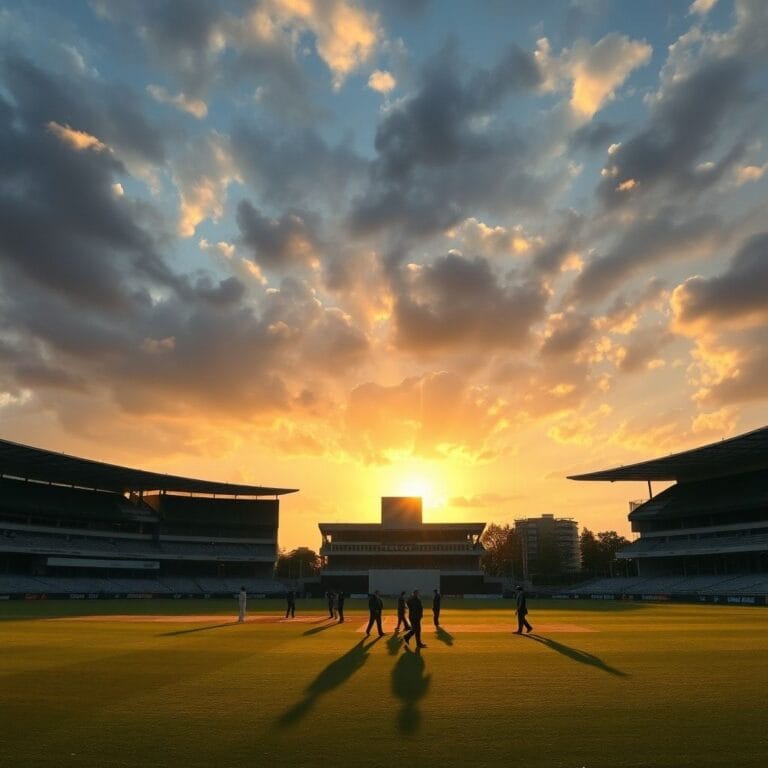
The win over Gujarat was built around a textbook 45‑over plan. MI opened with an aggressive top order, letting the openers settle for a quick 50‑run partnership before accelerating. The middle order, featuring Tilak Varma and Suryakumar Yadav, capitalised on a flattening pitch at the Wankhede, exploiting the short boundaries that favor wristy strokes.
Bowling changes were equally decisive. Jasprit Bumrah opened the spell, extracting seam movement on a surface that offered early bounce. After five overs, the captain introduced his spin trio—Ashwin, Rahul Chahar, and a young leg‑spinner—to clamp down on the slower second half of the innings. This blend of pace and spin induced two crucial wickets in the powerplay, breaking GT’s momentum.
Player Roles, Mindset, and the Captain’s Burden
Hardik Pandya has always been the spark plug—someone who can swing a match with a single slog. When the dugout is quiet and the team is in a slump, the captain’s mind shifts from personal expression to collective responsibility. Ashwin’s comment points out that the mental weight of steering a side out of the woods can mute a natural attacking instinct.
In the recent clash, Pandya’s role was two‑fold. With the bat, he was asked to anchor the late overs, rotating strike rather than looking for the six. With the ball, his medium‑pace variations served as a change‑up, squeezing runs in the death. The dual demand created a subtle tension: the need to protect the innings versus the urge to unleash his usual power.
Venue‑Specific Insights
Wankhede’s red‑soil surface tends to settle quickly, turning from a brisk batting track to one that grips the ball after 30 overs. Players like Varma, who thrive on the slower bounce, find comfort here. Meanwhile, Pandya’s footwork against short deliveries can be compromised when the pitch loses its pace. This explains his cautious approach early in the innings.
Contrast that with a venue like the Delhi stadium, where a harder surface rewards a hard‑hitting captain. If MI’s next fixtures move north, Pandya’s natural game could resurrect simply because the bounce will be back under his control.
Impact on the Tournament and What Lies Ahead
MI’s resurgence puts them back in the chase for a top‑four finish. Their net run rate has climbed, and the morale boost from the GT win could spill over into the remaining group games. The real catalyst, though, might be Pandya’s bat clicking again. A single 70‑run blitz in the next match could swing the points table, forcing rivals to re‑evaluate their chase strategies.
For Gujarat Titans, the loss is a reality check. Their bowlers struggled to adapt to the mixed pace‑spin plan, and they’ll need to tighten field placements if they hope to keep MI’s fire contained. The message from MI’s camp is clear: a captain firing at both ends makes a side nearly unbeatable.
Fan Perspective and Grounded Opinions
Supporters in Mumbai have taken to social media with a mix of relief and hope. Many echo Ashwin’s sentiment, sharing clips of Pandya’s “moments of brilliance” from earlier seasons. A recurring theme in the comments is the desire to see the captain play with his trademark freedom, a sentiment that resonates with anyone who enjoys high‑octane cricket.
Critics, on the other hand, caution against over‑reliance on a single player. They argue that MI’s strength lies in depth—Bumrah’s lethal yorkers, Chahar’s tight middle‑over spell, and Yadav’s inventive shot‑making. Even if Pandya finds his rhythm, the team must maintain a balanced attack to navigate the fierce competition.
Ultimately, the next few weeks will decide whether Ashwin’s prediction turns into a headline or stays a hopeful whisper. If Pandya breaks free, the narrative will shift from “can he?” to “how far can he take us?” Either way, the drama promises to keep the IPL 2026 storyline vibrant until the final over.
Cricket Desk: Want more on Associate cricket strategy? Check out our Associate cricket strategy Latest News & Stats.