How Kagiso Rabada’s Powerplay Mastery Shifted the Match in Gujarat
How Kagiso Rabada’s Powerplay Mastery Shifted the Match in Gujarat
The Gujarat Titans’ decision to field first at Ahmedabad’s Narendra Modi Stadium set the stage for a power‑play showdown that would pivot on a single over. Kagiso Rabada’s blistering inswing at 152 km/h dismantled Suryakumar Yadav’s momentum, shifting the entire contest and underscoring why early‑innings tactics matter in the modern T20 format.
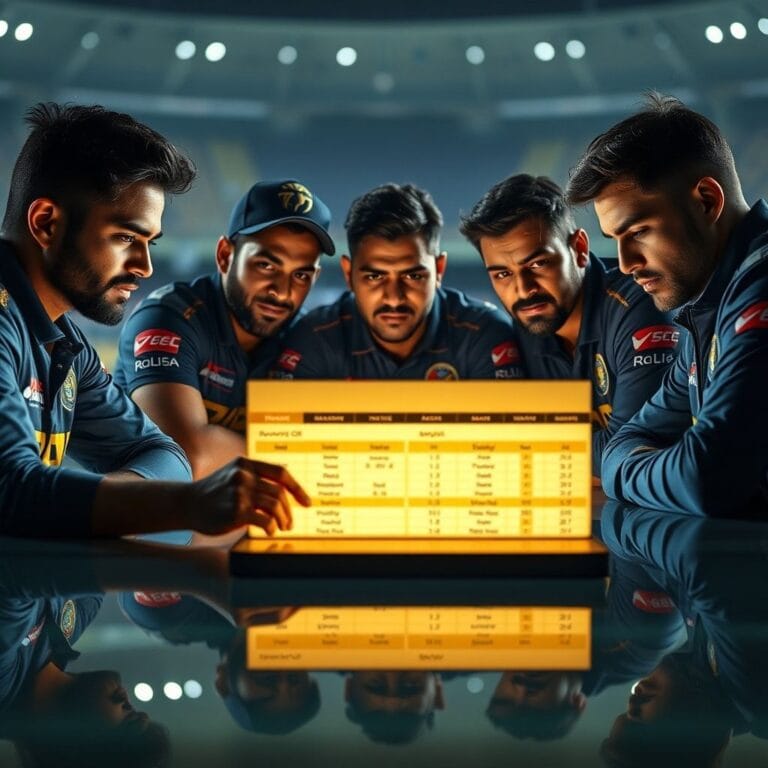
The Stats Behind the Strategy
| Player | Overs Bowled | Runs | Wickets | Economy |
|---|---|---|---|---|
| Kagiso Rabada | 3 | 29 | 3 | 9.66 |
| Quinton de Kock | 6 | 42 | 0 | 7.00 |
| Suryakumar Yadav | 0.4 | 15 | 1 | 0.00 |
| Shubman Gill (c) | 20 | 84 | 0 | 4.20 |
The table highlights the stark contrast between Rabada’s high‑impact burst and the subdued returns from MI’s top order. Ghats that stopped the ball on the softer parts of the pitch rewarded the inswing, while the slower surface under the lights favoured the spinners later on.
Tactical Moves and Team Decisions
Shubman Gill’s call to chase a modest 165‑run target reflected a clear understanding of the venue’s early‑session behaviour. The Ahmedabad pitch, known for a thin seam-friendly crust in the first ten overs, often yields extra pace for bowlers who can land the ball on a good length. By letting MI bat first, GT forced them to weather that early swing, a gamble that paid dividends when Rabada hit the stride.
Mumbai’s line‑up seemed designed to counter the seam – an aggressive opener in Suryakumar, a left‑handed Quinton de Kock, and a power‑hitting middle order. Yet the decision to send Suryakumar into the power‑play after a six in the same over proved risky. The batsman’s intent to dominate back‑to‑back the rhythm of the ball left him vulnerable to a meticulously set line at off‑stump.
Player Roles and Mindset
Kagiso Rabada approached the over as a ‘strike bowler’, treating each delivery as a potential wicket rather than a containment option. His third ball of the over, a slightly fuller inswing, forced a cover drive that slipped between bat and pad – a classic ‘late swing’ exploitation. The mental picture is clear: he knew Suryakumar’s footwork and used the seam to jam the ball into the corridor of uncertainty.
Suryakumar’s mindset in that moment was to seize the innings’ momentum after a six and a boundary. The decision to go for a cover drive, rather than a safer leg‑glance, indicates a confidence that the ball would sit up, an assumption shattered by Rabada’s precision.
For MI’s middle order, the collapse forced a re‑calibration. Naman Dhir’s 45 off 32 illustrated a short‑term adaptation, but Prasidh Krishna’s early wicket highlighted a lack of depth in handling high‑pace swing on a surface that had already shown its bite.
Venue‑Specific Nuances
Ahmedabad’s red‑soil track, especially under humid evenings, tends to grip the seam more than the bounce. Fast bowlers who can swing the ball by leveraging the moisture in the air find a subtle advantage. Rabada, accustomed to South African pitches where the ball moves off the seam, adjusted his wrist position to let the ball swing late, making it difficult for a high‑technique player like Suryakumar to negotiate.
Conversely, GT’s spinners later in the innings exploited the slower, dryer patches that emerged as the sun set. The pitch’s dual nature – fresh seam early, turning later – rewarded teams that could shift their attack fluidly.
Tournament Impact and What’s Next
GT’s win lifted them back into the top‑four chase, while MI slipped to a precarious position with five matches left. The psychological edge gained by taking a wicket of the tournament’s most feared hitter cannot be understated; it sends a message that even the biggest names are vulnerable on this surface.
Looking ahead, GT’s next fixture against a high‑scoring side will test whether their strategy of early aggression can be replicated on a less swing‑friendly track. Mumbai, meanwhile, must regroup and perhaps consider a more conservative opening plan, giving their middle order a platform without exposing them to early bursts of pace.
Fan Perspective and Grounded Opinions
On social media, Gujarat fans celebrated the ‘Rabada show’ with memes of the ball ripping through the stumps, while Mumbai supporters expressed frustration, pointing out a lack of backup plans after losing a key wicket. Many agreed that the toss decision, while risky, proved justified given the bowler’s execution.
From a broader view, the match reaffirmed the timeless T20 truth: a single over can rewrite a game. The over‑by‑over excitement, amplified by a dramatic wicket in the power‑play, reminded us that cricket remains a sport where skill, tactics, and split‑second decisions intertwine.