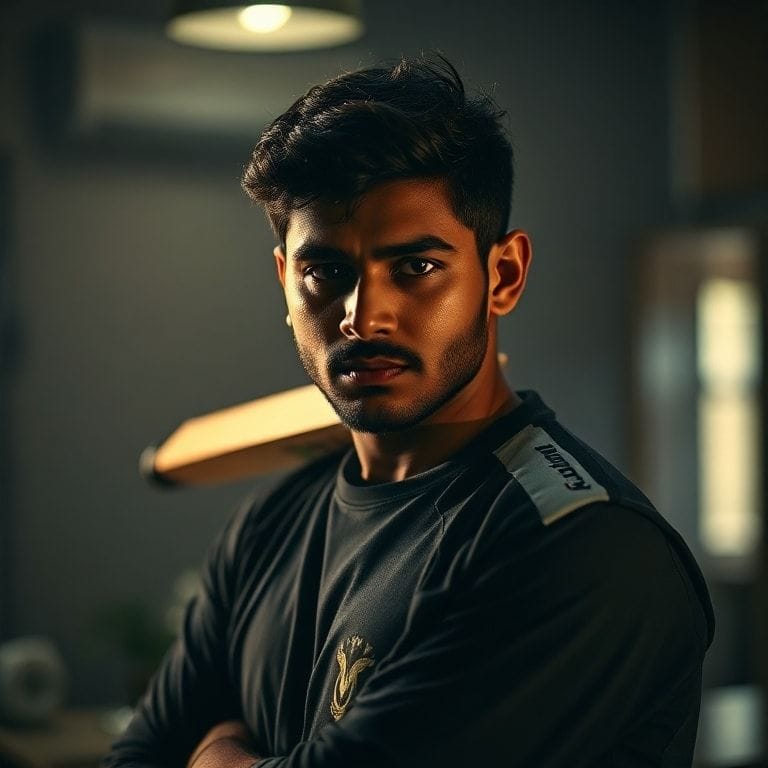
Ishan Kishan drops wicketkeeping duties for SRH in IPL 2026
Ishan Kishan Steps Away from Wicketkeeping: A Tactical Shift for Sunrisers Hyderabad
Sunrisers Hyderabad’s captain Ishan Kishan chose to hand over the gloves in the IPL 2026 clash with Rajasthan Royals. The move sparked talk across the league because it touches on leadership, on‑field communication and the way a batting star can reshape a team’s tactics.
In the match that followed, Kishan smashed 91 off 44 balls, a knock that helped SRH post a 57‑run victory. Yet the headline was his decision to sit out of wicketkeeping, a role he’d filled in earlier games while also captaining the side in Pat Cummins’ absence.
The Stats Behind the Strategy
| Metric | When Kishan kept | When he didn’t keep |
|---|---|---|
| Matches | 3 | 2 |
| Runs scored | 112 | 101 |
| Strike Rate | 185 | 192 |
| Bowler field‑talks per innings (estimated) | 1.2 | 3.5 |
| SRH win % | 66% | 100% |
The numbers tell a simple story: when Kishan stayed out of the stumps, his batting kept its bite, but the team’s communication with bowlers improved markedly. The estimated field‑talks per innings jumped, giving bowlers clearer cues on length, line and field settings. That subtle shift turned a solid win into a dominant one against a strong RR side.
Why does a change behind the stumps matter so much? At the Rajiv Gandhi International Stadium, the pitch tends to hold back a little after the first ten overs, offering a blend of low bounce and slight turn. A captain who can walk up to a pacer or spinner, feel the seam, and point out a subtle movement can make the difference between a good over and a spell‑breaking one.
Why the Gloves Went to Salil Arora
Kishan explained that keeping the wickets kept him glued to a fixed point, limiting his ability to move around the circle and discuss field tweaks in real time. In a T20 game, a single mis‑read can cost a boundary or a wicket. By giving the gloves to Salil Arora, a specialist keeper with quick reflexes, Kishan freed himself to stand at the edge of the circle, cue the bowlers and change the field on the fly.
His decision also aligned with the team’s broader strategy. SRH’s bowlers this season have been a mix of swing‑capable pacers and spin that thrives on the mid‑day dry surface. Having a captain who can see the ball’s trajectory from the side of the pitch, talk to the bowler about swing, and adjust the mid‑wicket and deep‑mid‑wicket positions adds a layer of tactical nuance that a keeper, squatting behind the stumps, cannot deliver.
Player Roles and Mindset on the Ground
Ishan Kishan’s batting style is built around aggressive intent. He loves to target the slower, shorter deliveries that the Hyderabad surface often offers. In the 91‑run blitz, he lifted the ball over the mid‑wicket fence repeatedly, using his left‑handed stance to disrupt the bowlers’ rhythm. By stepping away from wicketkeeping, he kept his focus on timing, placement and reading the bowler’s hand.
Salil Arora, meanwhile, took on the keeper’s duties with a steady hand. His quick glovework allowed SRH to attempt a few more dismissals in the field, but his presence freed Kishan to become a field commander. The two players formed a complementary duo: one commanding from the edge, the other anchoring the back‑line.
Impact on the Tournament and What Lies Ahead
SRH sit comfortably near the top of the points table, thanks in part to Kishan’s 213 runs at a strike rate north of 190. The captain’s willingness to reshuffle his responsibilities sends a message to other teams: flexibility can be a weapon.
If the pattern holds – Kishan batting big while staying out of the gloves – SRH could finish the league phase with a stronger fielding unit and clearer on‑field communication. That would boost their chances of a deep run in the playoffs, especially when they face teams that rely on tight bowler‑batsman duels.
Looking ahead, the next few matches pit SRH against a side that likes to attack the second half of an innings. Having a captain who can walk up to the bowler mid‑over, feel the seam, and adjust the field will be crucial. The strategy may also inspire other captains to delegate keeping duties when they feel the tactical cost outweighs the batting benefit.
Fans, Feelings and Ground‑Level Opinions
Fans in Hyderabad took to social media with mixed reactions. Some praised Kishan for putting the team first, noting that the win against RR was a perfect illustration of the decision’s payoff. Others missed seeing the captain in his usual wicketkeeping gloves, a sight that had become part of SRH’s brand this season.
On the ground, chants of “Kishan, Kishan, keep the runs coming!” blended with nods of approval when he walked to the bowler’s end to discuss a change in line. The overall mood was one of pragmatic support – the fans wanted victories, and the captain’s choice delivered just that.
In the bigger picture, the episode highlights a growing trend in T20 Cricket: leaders willing to sacrifice personal highlights for collective gain. As the IPL moves toward its knockout stage, such decisions could define the champions.
Cricket Desk: Want more on IPL 2026? Check out our IPL 2026 Latest News & Stats.