Tim David’s Ball Handling Incident Causes MI vs RCB Clash Tension
Tim David’s Ball Refusal Incident Sparks On-Field Tension in MI vs RCB Clash
The clash between Royal Challengers Bengaluru and Mumbai Indians at the Wankhede turned heads not just for a 240-run total, but for an unexpected showdown over a match ball. Tim David’s decision to grip the ball after a massive six sparked a brief on‑field standoff that highlighted the fine line between player instinct and the law of the game.
Match context and tactical backdrop
RCB entered the game needing a statement win after a mix of narrow defeats. The Wankhede, known for its short boundaries and a surface that eases into a true bounce after the power‑play, was the ideal arena for their heavy‑hitting core. Mumbai, on the other hand, relied on a seasoned bowling unit that prefers a slightly slower, low‑bounce track, which can be coaxed into extra movement with the evening moisture.
The first ten overs saw MI’s pacers keep the run‑rate in check, but a calculated promotion of Phil Salt to number three unlocked RCB’s firepower. Salt’s 78 off 36 balls set a platform that allowed Virat Kohli to settle at the crease, rotating the strike before the mantle was passed to the in‑form Rajat Patidar. By the time the ninth over rolled around, RCB were cruising at 179/2, a score that forced MI to think about accelerating the chase.
The Stats Behind the Strategy
| Player | Runs (Balls) | Strike Rate | Wankhede Avg. |
|---|---|---|---|
| Phil Salt | 78 (36) | 216.7 | 45.2 |
| Rajat Patidar | 53 (20) | 265.0 | 38.1 |
| Tim David | 34* (16) | 212.5 | 58.3 |
| Hardik Pandya (bowling) | — | — | 8.5 runs/over |
The numbers show why RCB’s decision to keep the strike in the hands of power‑hitters paid dividends. Salt’s average at the Wankhede sits well above his season figure, confirming the ground’s propensity for lofted shots. Patidar’s fiery cameo, though brief, with a strike rate north of 260, pushed the required run‑rate beyond MI’s comfort zone. David’s 34* at a 212 SR capped a rally that left MI scrambling for the finish line.
Player roles, mindset and the ball‑inspection episode
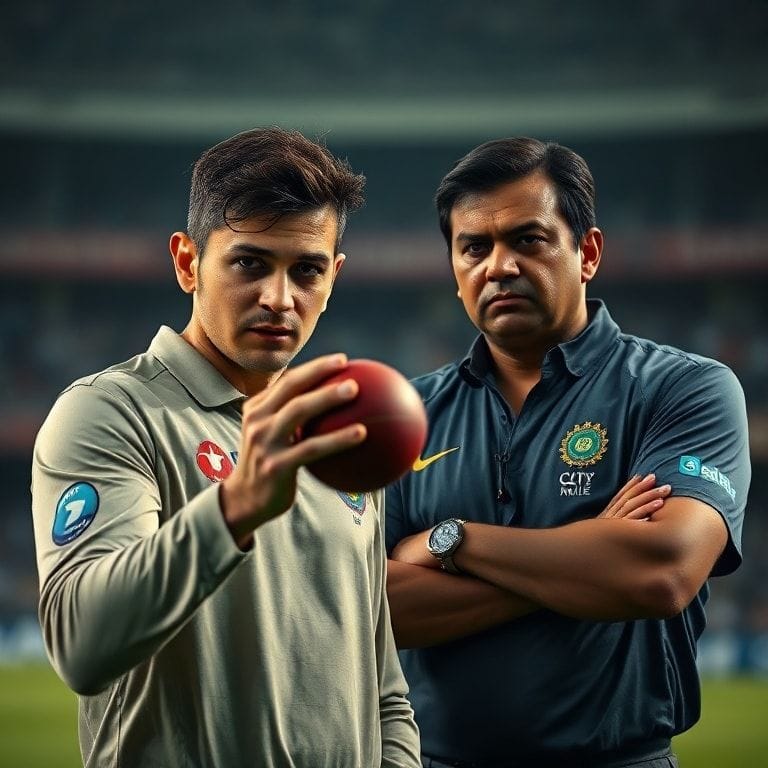
David’s role was pre‑planned: enter after the top order, target the death overs, and exploit any short‑ball opportunities. When he launched Hardik Pandya’s full‑toss over the leg stump for a six, the ball’s seam appeared slightly scuffed, and a faint sheen of moisture clung to the leather. Instinctively, David lifted the ball to the ground, turning it over as a bowler might do before a spell.
Umpires Virender Sharma and Swaroopanand Kannur, trained to react quickly to any ball‑replacement request, instructed David to return the ball. His refusal—a silent, almost curious examination—created a tense pause that lasted close to 30 seconds. From a psychological standpoint, David’s behavior can be read as a mix of confidence, a desire to control an element that felt “off”, and perhaps a subconscious attempt to slow the game after a personal milestone.
When Sharma finally issued a warning, David obliged, handing back the ball. The brief disruption served as a reminder that individual player impulses can ripple across a tightly scheduled T20 encounter.
Strategic impact on the match and the tournament
RCB’s ability to post a massive total at the Wankhede puts pressure on MI for the remainder of the league phase. A win for RCB not only inches them closer to a playoff berth but also strengthens their net‑run‑rate, a crucial tie‑breaker in a tightly packed points table.
For MI, the loss underlines a lingering vulnerability: chasing at a high target on a ground that favors short boundaries. Their bowling line‑up, despite extracting some bounce, could not contain the late‑order surge. The episode also raises questions about the team’s discipline in dealing with unforeseen moments—if a player can stall the game, could a bowler or fielder exploit a similar loophole?
Fan perspective and grounded opinions
Social media lit up with split reactions. Many RCB supporters cheered David’s power display but criticized his ball‑inspection as “over‑the‑top”. A few Mumbai fans labeled the incident “un‑sporting”, while others enjoyed the drama, dubbing it the “most entertaining stoppage since a DRS review”.
Veteran pundits leaned toward a balanced view. Aakash Chopra’s point that a batter has no right to check the ball echoed the rule‑book, yet Dale Steyn’s jest about “everyone wanting to be a bowler” reminded fans that the game thrives on such quirky moments.
In the locker rooms, the episode likely sparked discussions on maintaining focus after a controversy. RCB’s captain Patidar reportedly reminded his side to keep the momentum, while MI’s Rohit Sharma used humor to defuse tension, signalling a professional camaraderie that fans appreciate.
What comes next?
RCB now faces a crucial fixture against a low‑scoring side, where a disciplined chase could cement their playoff hopes. The team will likely keep the same aggressive batting order, trusting the data that shows their top‑order thrives on Wankhede‑like conditions.
MI, on the other hand, must revisit their chase blueprint. Adjusting their batting order to send a more aggressive hitter up the order could prevent the pressure of a steep required run‑rate later on. Also, the officials may keep an eye on future ball‑handling incidents, ensuring the game flows smoothly.
For the league as a whole, the incident underscores how minute details—seam condition, moisture, even a player’s curiosity—can become talking points that shape narratives beyond runs and wickets. As the season progresses, fans will remember the Wankhede standoff as a reminder that cricket is as much about temperament as it is about technique.
Cricket Desk: Want more on 2026 IPL? Check out our 2026 IPL Latest News & Stats.