Reliving the 2011 World Cup Triumph: Sachin’s Jersey and the Making of a Legend
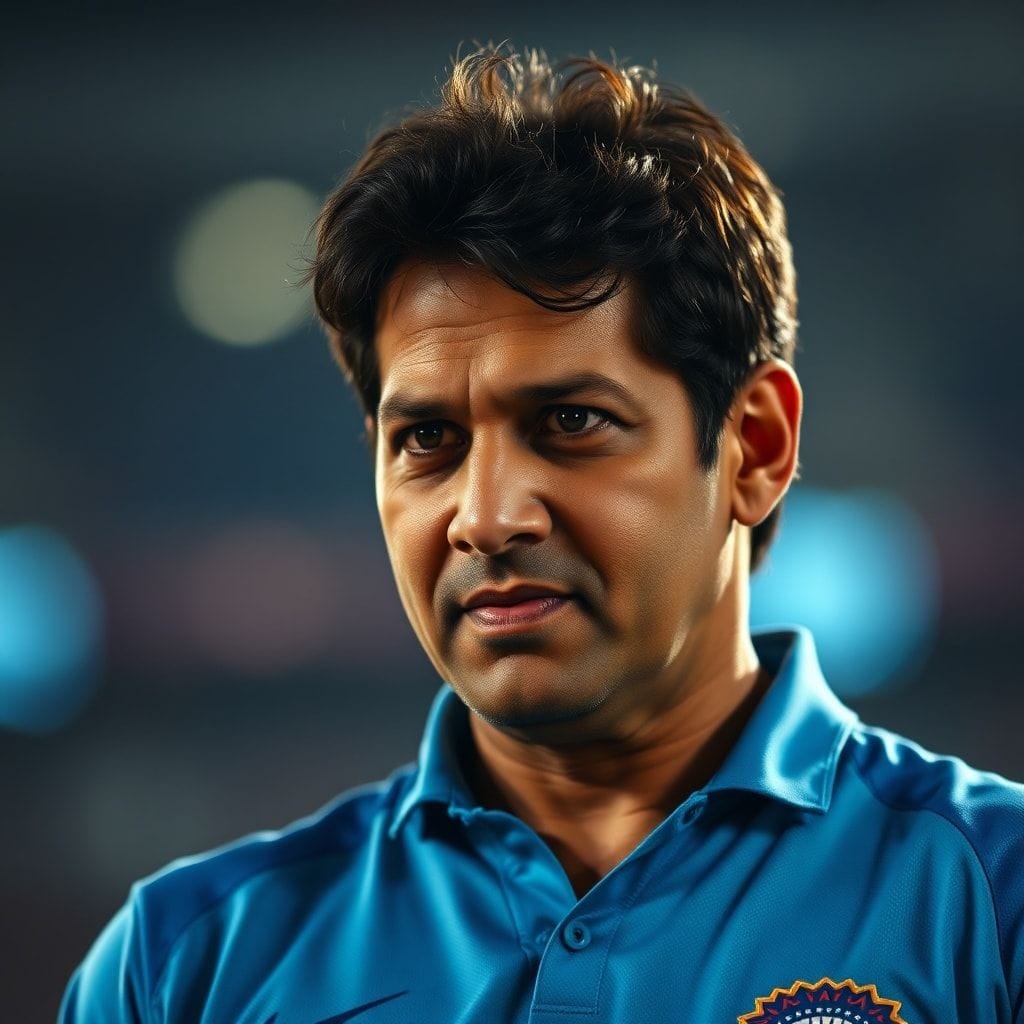
Sachin Tendulkar resurfaced in the iconic sky‑blue jersey to mark the 15th anniversary of India’s 2011 World Cup triumph. The flash‑back video gave fans a chance to relive the night when a nation’s heartbeat synced with a single six.
When the Master Blaster posted that short clip, it wasn’t just nostalgia; it was a reminder of how a blend of tactics, temperament and sheer skill turned a 275‑run chase into a historic moment. The anniversary also offers a fresh lens to dissect the decisions that defined the final, the roles each player embraced, and what the win still means for Indian cricket today.
The Stats Behind the Strategy
| Metric | India | Sri Lanka |
|---|---|---|
| Target | 275 | 269/6 |
| Top Scorer | Gambhir 97 | Tilakaratne Dilshan 144* |
| Highest Strike Rate (>30 overs) | Dhoni 143.33 (91 off 63) | UP Perera 115.38 (46 off 40) |
| Runs at Wankhede (final) | Tendulkar 30 (21 balls) | Tilakaratne Dilshan 144* |
| Partnerships >50 | Gambhir‑Dhoni 136* (48 balls) | Mahela‑Dilshan 120 (73 balls) |
The numbers tell a clear story: India’s winning formula hinged on a middle‑order bridge (Gambhir‑Dhoni) that turned early wickets into a chase‑able rhythm. Sri Lanka, despite a blistering opening stand, fell short of a consistent run‑rate after the fifty‑run partnership collapsed.
Tactical Blueprint of the Final
India entered the final with a clear plan – preserve wickets in the first 10 overs, then accelerate. The decision to open with Sehwag and Tendulkar was a nod to experience, but the early dismissals forced captain Dhoni to adapt. Instead of a defensive slog, he shifted gears, sending Virat Kohli up the order to stabilize the innings.
Kohli’s 12‑run cameo may look modest, yet his quick singles and ability to rotate strike set the stage for the Gambhir‑Dhoni partnership. When Dhoni took the helm at 115/2, the match turned tactical: he instructed an aggressive swing on the leg side, exploiting Wankhede’s short mid‑wicket boundary. The partnership’s 136 runs in just 48 balls reflected a calculated risk – a high‑strike‑rate push that left Sri Lanka scrambling for bowlers.
Player Mindsets and Roles
Gambhir arrived at the crease with the weight of a nation on his shoulders. His approach was textbook – a solid defense that gradually opened up as bowlers tired. The moment he reached his fifty, he switched to a loftier intent, taking advantage of the flat track that gives little seam movement.
Dhoni’s mindset was all about finishing. Known for reading bowlers a delivery ahead, he chose low‑risk shots early on, then unleashed a six‑over sprint that forced Sri Lanka’s spinners into defensive lines. His final six over the long on wasn’t just a celebration; it was a strategic decision to use the boundary rope, maximizing the limited overs left.
Tendulkar’s cameo in the final, while brief, carried symbolic weight. By getting out early, he forced the team to recalibrate, yet his 30 runs provided a foundation that prevented a total collapse. The mix of veteran poise and youthful hunger defined his World Cup run, culminating in a 482‑run tally at a strike rate just shy of 92.
Venue‑Specific Elements
Wankhede’s pitch in April traditionally offers a true bounce with a modest turn after the 30‑over mark. The home side’s decision to bowl medium‑pace first, followed by spin, mirrored those conditions. Sri Lanka’s bowlers, accustomed to slower surfaces in Colombo, found the bounce unforgiving, which played into India’s advantage during the middle overs.
Both teams also had to consider the humid night air, which can affect the ball’s swing. India’s nippy seamers extracted just enough movement to keep the opening partnership under pressure, while the later spin attack capitalized on the grip that the wet outfield provided.
What the Anniversary Means for Indian Cricket
Celebrating the 15‑year milestone goes beyond reminiscence. It is a benchmark for the current generation, who now watch the likes of Shubman Gill and Prithvi Shaw step into roles once held by Tendulkar, Dhoni and Gambhir. The video of Tendulkar in the sky‑blue jersey serves as a bridge between eras, reminding young players that the dream is built on sacrifice, collective belief and decisive tactics.
From a tournament perspective, the 2011 win reinforced India’s status as a World Cup heavyweight, influencing squad selections in subsequent ICC events. The emphasis on a strong middle order, a finisher with a clear game plan, and the ability to adapt mid‑innings remains a template for teams aiming for glory.
Fan Perspective and Grounded Opinions
For fans, the image of Sachin in the same jersey he wore on 2 April 2011 is a visceral reminder of a night when millions held their breath. Social media buzzed with stories of families gathering around old televisions, and younger supporters recreated the final’s moments in backyard games.
Critics argue that the team’s reliance on a single partnership (Gambhir‑Dhoni) exposed a fragile top order. Yet most fans counter that the depth displayed by the lower order, including Kumble’s economical spell, proved the side was well‑balanced.
Looking ahead, the cricketing community expects the next World Cup to feature a blend of seasoned campaigners and emerging talent. The strategic lessons from 2011 – especially the need for flexible batting order and exploiting venue nuances – will likely shape how captains draft their playing XI.
Tendulkar’s simple act of donning the sky‑blue once more does more than celebrate a past triumph; it sparks a dialogue about how that victory was engineered, what it taught the nation, and how those lessons will echo in future cricketing battles.
Cricket Desk: Want more on Cricket Tactics? Check out our Cricket Tactics Latest News & Stats.